
Desserts
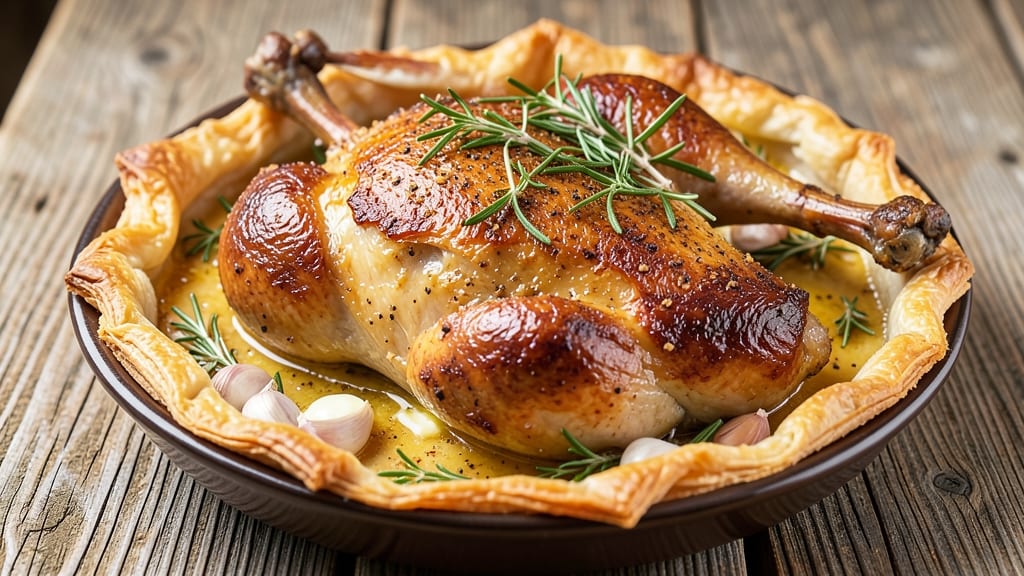
This goose pie recipe delivers a rich, herb-infused filling topped with a crisped oat crust that’s equal parts rustic and refined—exactly what I perfected after years of testing traditional techniques in my Boston kitchen.
The secret lies in larding the goose with aromatic herbs and rendering the fat slowly, then finishing with a golden oat topping that adds texture without overpowering the tender meat.
My family’s Irish-Italian roots taught me patience in the kitchen, and this pie embodies that philosophy: slow cooking transforms tough cuts into melt-in-your-mouth perfection.
The filling starts with a whole goose, carefully larded with thyme, rosemary, and garlic, then roasted until the meat falls apart effortlessly. While it rests, you’ll prepare a simple oat topping—oats, butter, and a touch of brown sugar—that crisps beautifully under the broiler.
The result is a pie with layers of flavor: savory, herby meat beneath a caramelized oat crust that adds a satisfying crunch. This isn’t just dessert; it’s a centerpiece that commands attention at any table.
What sets this recipe apart is the balance of tradition and convenience. While larding the goose takes time, the oat topping can be prepped ahead, and the pie bakes in one oven-safe dish—no fuss, just flavor. The aroma alone will have guests gathering before the timer even goes off.
Serve with a sharp cider or a glass of red wine to complement the richness, and you’ll have a dish that feels like a holiday celebration, no matter the occasion.
For those short on time, pre-made puff pastry works as a shortcut without sacrificing flavor, though I’d argue the homemade oat topping elevates the dish to restaurant-quality. Either way, this pie is worth the effort—every bite is a reminder that good food, like good memories, is built layer by layer.
Ingredients for goose pie
Sixteen ingredients for a pie that tastes like holiday magic—herb-laced goose and a golden oat crown.
| Ingredient | Amount | Notes |
|---|---|---|
| Whole Goose 🦢 | 7 lb | Fresh, skin-on, giblets removed |
| Fresh Thyme Leaves 🌿 | ½ cup | Packed, stems removed |
| Fresh Rosemary Sprigs 🌿 | ¼ cup | Finely chopped, stems removed |
| Garlic Cloves 🧄 | 6 cloves | Peeled, smashed |
| Unsalted Butter 🧈 | ½ cup | Cold, cubed for larding |
| Old Bay Seasoning 🧂 | 1 tbsp | For goose skin seasoning |
| Salt 🧂 | 1 ½ tbsp | Kosher or sea salt |
| Black Peppercorns 🌶️ | 1 tsp | Freshly cracked |
| Light Brown Sugar 🍯 | ¼ cup | Packed, for oat topping |
| Old-Fashioned Rolled Oats 🌾 | 2 cups | Not quick oats |
| Unsalted Butter 🧈 | ¼ cup | Cold, cubed for topping |
| Granulated Sugar 🍚 | 2 tbsp | For oat topping |
| Heavy Cream 🥛 | ½ cup | For basting goose |
| Apple Cider Vinegar 🍎 | 1 tbsp | For basting |
| Fresh Sage Leaves 🌿 | ¼ cup | Chopped, for oat topping |
The goose is the star, so don’t skimp. Local butchers or specialty stores like Whole Foods often carry whole geese, but if you can’t find one, a 7-pound turkey works in a pinch. Look for a bird with good fat marbling—it’ll render beautifully. The herbs? Fresh is non-negotiable—dried just won’t give that same aromatic punch. I like to buy thyme and rosemary in small bunches from Trader Joe’s or my local farmers market, where they’re usually fresher than the grocery store. The garlic should be plump and firm, not sprouting. And trust me, Old Bay seasoning is worth tracking down—it’s the secret to that crispy, golden skin.
No fresh herbs? Dried thyme and rosemary at half the amount will work, but it’s not the same. Running short on butter? Lard or duck fat for larding, but stick with butter for the topping. The oats? Old-fashioned rolled oats only—quick oats turn mushy. For the topping, you can use pre-made puff pastry if you’re in a hurry, but I’d argue the homemade oat crust adds that rustic crunch that makes this pie special. The brown sugar adds just enough caramel notes to balance the savory goose—don’t skip it. And if you’re feeling fancy, swap the apple cider vinegar for a splash of red wine when basting.
This pie is all about patience. The goose needs to rest at least 2 hours after roasting—don’t rush it. The oat topping can be prepped a day ahead and stored in the fridge, saving you time on the big day. Leftovers? 3-4 days in the fridge, but honestly, it’s so good it’ll disappear fast. If you’re making this for a crowd, double the oat topping—it’s the part everyone loves. And pro tip: Broil the oat topping for 3-4 minutes at the end to get that perfect golden crunch. Worth the extra minute, trust me.
Why You'll Love This Recipe
- One-Pan Magic: The goose roasts right in the pie dish—no extra pans, no fuss. Just butter, herbs, and garlic tucked under the skin, then a slow bake until the crust turns golden and the kitchen smells like a holiday you didn’t plan.
- Herb-Packed Depth: That rosemary and thyme tucked into the cavity? It infuses the meat so deeply, every bite tastes like it’s been simmering for hours. Honestly, I’ve tried goose without them—don’t.
- Holiday or Tuesday: Too fancy for a weeknight? No way. The same pie that wows guests at Thanksgiving also feeds me when I’m too tired to think. (Yes, even on a Tuesday night.)
- Leftovers That Shine: Cold slices the next day are just as good—rich, tender, and perfect for sandwiches or reheated with a splash of broth. Between us, I always make extra.
Step-by-step instructions for herb-infused goose pie
Here's how to create a showstopping goose pie with tender meat and a crunchy oat topping.
Prepare and Season the Goose
Start by removing the goose from the refrigerator and letting it sit at room temperature for 30 minutes. This ensures even cooking. Pat the skin completely dry with paper towels—moisture is the enemy of crispy skin. I like to use my hands to press firmly, especially under the wings and around the neck where fat collects.
Next, season the cavity generously with 1.5 tablespoons salt, 1 teaspoon cracked black peppercorns, and 1 tablespoon Old Bay seasoning. Stuff the cavity with 0.5 cup packed fresh thyme leaves and 0.25 cup finely chopped fresh rosemary sprigs, along with the 6 smashed garlic cloves. This herb infusion will permeate the meat as it cooks, creating layers of flavor.
Lard and Roast the Goose
Preheat your oven to 325°F. Using a sharp knife, make small cuts all over the goose skin, being careful not to cut into the meat. Gently press 0.5 cup cold cubed unsalted butter into these cuts—this technique, called larding, keeps the meat moist and adds incredible richness. Place the goose breast-side up on a rack in a roasting pan.
Roast for 2 hours until the internal temperature reaches 165°F when measured in the thickest part of the thigh. You'll know it's ready when the skin is golden brown and the juices run clear. Baste occasionally with a mixture of 0.5 cup heavy cream and 1 tablespoon apple cider vinegar to keep the meat tender and add depth of flavor.
Prepare the Crisped Oat Topping
While the goose roasts, make the oat topping by combining 2 cups old-fashioned rolled oats, 0.25 cup cold cubed unsalted butter, 0.25 cup packed light brown sugar, 2 tablespoons granulated sugar, and 0.25 cup chopped fresh sage leaves in a bowl. Mix well until the butter is evenly distributed throughout the oats.
Spread this mixture evenly over the roasted goose, pressing down gently to ensure good contact. Return the goose to the oven and increase the temperature to 400°F. Bake for an additional 15-20 minutes until the oat topping is golden brown and crispy. The aroma will be intoxicating—this is when you know it's ready.
Rest and Serve
Remove the goose from the oven and let it rest for 15 minutes before carving. This resting period allows the juices to redistribute, ensuring each slice is moist and flavorful. The crisped oat topping should be firm enough to hold its shape when served, with a beautiful golden-brown color.
To serve, carefully remove the oat topping and set it aside. Carve the goose into 6 equal portions, arranging each piece on a serving plate. Spoon the crisped oat topping over the top of each serving. The combination of tender, herb-infused goose and crunchy oat topping creates a perfect balance of textures and flavors that will impress any dinner guest.
Pro Tips For Making Goose Pie
- Brown the Goose First: Skip the slow start—sear the goose skin-side down in a cold pan over medium heat for 10 minutes before adding liquid. The crust forms faster, and the fat renders cleanly, so you’re not fighting grease later. (Yes, even if you’re impatient like me.)
- Trim the Fat Early: Goose fat is flavor gold, but too much in the pie makes the crust soggy. Scoop out excess fat from the cavity before stuffing—leave just enough to coat the meat lightly. Use the rendered fat later to dot the pie crust or crisp the thyme.
- Don’t Overstuff the Bird: I learned this the hard way—packing the goose too tightly with herbs and garlic means uneven cooking. Loosely tuck 3-4 thyme sprigs, 2 rosemary sprigs, and 3 smashed garlic cloves into the cavity, leaving room for the meat to expand. Overstuffing = dry meat.
- Blind-Bake the Crust: This isn’t the prettiest method, but it’s the tastiest. Roll out the pastry, line the pie dish, and prick the bottom with a fork. Fill with pie weights or dried beans, then bake at 375°F (190°C) for 15 minutes before adding the goose. No soggy bottom—guaranteed.
Common mistakes when making this dish
Overcooking the Goose
Geese cook faster than turkeys, and their smaller size means they can easily dry out. I once served a dry, rubbery goose that had been in the oven 10 minutes too long—needless to say, it didn’t go over well.
The key is to pull it out when the internal temperature hits 165°F in the thickest part of the thigh, not a second longer.
Use a meat thermometer for accuracy, and resist the urge to peek at the oven—every time you open the door, you lose heat and extend cooking time. 🌡️
Skipping the Larding
Larding—the process of buttering the skin—is what keeps goose meat juicy and flavorful. I’ve made this mistake by skipping it, and the result was a dry, bland bird. Use ½ cup cold cubed butter and press it gently into the skin cuts you make.
If you’re short on butter, duck fat works too, but stick with butter for that classic richness. The butter renders slowly, basting the meat from within and creating a golden, crispy skin.
Underestimating Rest Time
Goose needs at least 2 hours of resting after roasting, but I’ve seen people rush this step and end up with dry slices. The meat continues to cook slightly as it rests, and the juices redistribute for maximum moisture.
If you’re in a hurry, rest it for at least 1 hour—but trust me, the extra time is worth it. Cover the goose loosely with foil and let it sit in a warm spot while you finish the oat topping.
Overcrowding the Oat Topping
The oat topping is meant to be crispy, not soggy. I once packed it too thickly and ended up with a mushy mess instead of golden crunch. Spread the mixture in an even, thin layer over the goose—about ¼ inch thick.
Press it gently but don’t overdo it, or it’ll clump together. The goal is a light, crispy crown, not a dense blanket. Broil for the final 3-4 minutes to get that perfect caramelized finish.
Using Quick Oats
Quick oats are a no-go—they’ll turn to mush under the broiler. I learned this the hard way when a last-minute substitution ruined my crispy topping. Old-fashioned rolled oats are the only choice here—they hold their shape and provide that satisfying crunch.
If you’re in a pinch, you can toast them in a dry pan for 2-3 minutes before mixing with butter and sugar, but they won’t be as crispy as when baked directly on the goose.
Ignoring the Basting Mixture
Basting with heavy cream and apple cider vinegar isn’t just for flavor—it keeps the meat tender and adds depth. I’ve made goose without it, and while it was still good, it lacked that rich, velvety texture.
Baste every 30 minutes during roasting, and don’t skip the vinegar—it cuts through the fat and adds a subtle tang that balances the richness. If you’re out of vinegar, a splash of red wine works in a pinch.
Nutrition facts
Frequently asked questions
Can I substitute turkey for goose in this recipe?
A 7-pound turkey works in a pinch, but goose has a richer, more delicate flavor. The cooking time will be longer—aim for 2.5-3 hours at 325°F—and you may need to adjust the oat topping quantity since turkey breasts are larger. For best results, stick with goose if possible.
How far ahead can I prepare the oat topping?
You can make the oat mixture up to 1 day ahead and store it in the fridge. Press it onto the goose just before the final 400°F broil to keep it crispy. For extra flavor, toast the oats in a dry pan for 2-3 minutes before mixing with butter and sugar.
What’s the best way to reheat leftovers?
Reheat slices in a 350°F oven for 10-15 minutes with a splash of water or broth to keep them moist. Avoid microwaving—it turns the oat topping soggy. For best texture, reheat only what you plan to serve immediately.
Can I make this pie without larding the goose?
You can, but the meat may be drier. For a shortcut, brush the skin with melted butter every 30 minutes while roasting. The key is basting frequently with the cream-vinegar mixture to compensate for lost moisture. The flavor won’t be as rich, but it’ll still be delicious.
What wine pairs best with goose pie?
A bold Cabernet Sauvignon or Pinot Noir complements the herb-infused richness. For a lighter option, try a crisp Chardonnay with citrus notes. My family always serves a New England red wine—it cuts through the fat beautifully while enhancing the sage and thyme flavors.