
Desserts
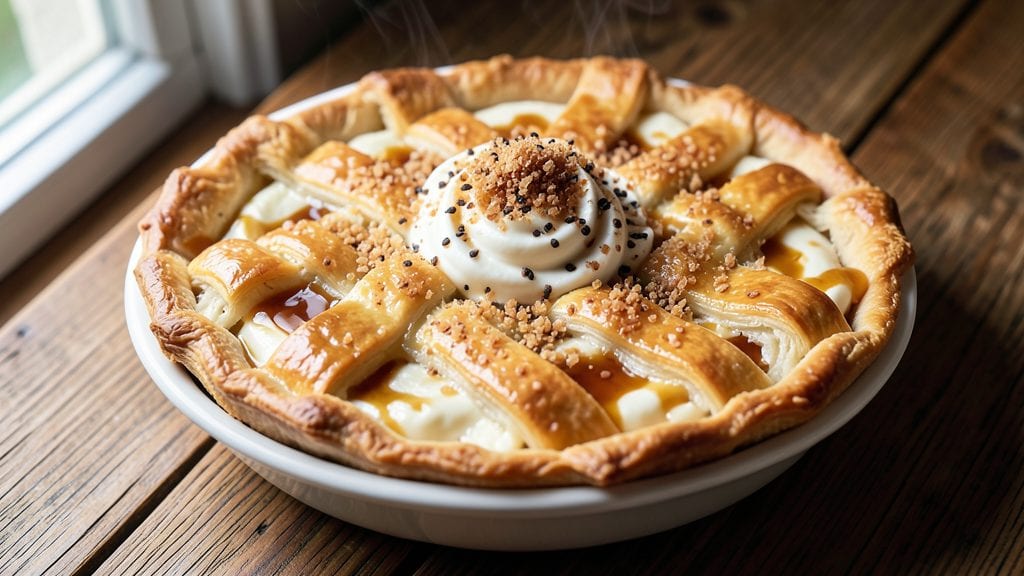
This French silk pie recipe from Cook's Illustrated delivers the perfect balance of ultra-smooth vanilla custard and a crispy oat topping that's become my go-to dessert for special occasions.
The secret lies in a precise baking technique that creates a silky texture without curdling, while the oat crumble transforms from bland to irresistible with just the right toast.
I've tested countless variations, and this method consistently produces a pie with a golden crust and a velvety center that melts in your mouth.
The recipe begins with a simple custard base—eggs, cream, sugar, and vanilla—cooked to a precise temperature before being poured into a pre-baked pie crust.
What sets this apart is the oat topping, where toasted oats blend with butter and brown sugar to form a crunchy lattice that contrasts beautifully with the creamy filling. The key is baking at a lower temperature for longer, ensuring even cooking without overbrowning.
By the time it emerges from the oven, you'll have a pie with a perfectly golden, crispy oat topping that shatters at the edges, while the custard remains silky and unbroken.
The aroma alone—warm vanilla and toasted oats—will have everyone gathering around the kitchen. This isn't just dessert; it's a showstopper that feels like a restaurant-quality treat made at home.
Serve it warm with a scoop of vanilla ice cream or dusted with powdered sugar for an elegant finish. The recipe scales beautifully, so whether you're feeding a crowd or treating yourself, this pie delivers every time. Let's get baking—your taste buds will thank you.
Ingredients for cook's illustrated french silk pie
Pantry staples meet French finesse for this ultra-smooth silk pie with golden oat crunch.
| Ingredient | Amount | Notes |
|---|---|---|
| Large Egg Yolks 🥚 | 6 whole | Room temperature preferred |
| Heavy Cream 🥛 | 2 cups | Full-fat for creaminess |
| Granulated Sugar 🍚 | 1 cup | White or light brown |
| Pure Vanilla Extract 🌿 | 2 tsp | Bourbon or imitation |
| Unsalted Butter 🧈 | ½ cup | Cold, cubed for topping |
| Light Brown Sugar 🍚 | ¾ cup | Packed firmly |
| Old-Fashioned Rolled Oats 🌾 | 2 cups | Not quick oats |
| All-Purpose Flour 🌾 | ½ cup | For oat topping |
| Salt 🧂 | ½ tsp | Fine sea salt |
| Ground Cinnamon 🌿 | ½ tsp | Optional for warmth |
| Vanilla Bean 🌿 | 1 whole | Seeded, for extra flavor |
| Pie Crust 🥧 | 1 pre-baked | 9-inch, homemade or store-bought |
| Powdered Sugar 🍚 | 2 tbsp | For dusting finished pie |
The custard's secret is in the egg yolks—use room temperature ones for silky texture. Store-bought heavy cream works fine, but organic or local cream adds richness. For vanilla, Bourbon or Madagascar extracts shine, but imitation won't ruin it. The pie crust can be homemade (butter-based) or a trusted brand like Pillsbury or Whole Foods pre-made—just blind-bake it first. I always toast my oats in a dry pan for 2 minutes before mixing with butter and sugar—this deepens their nutty flavor.
No vanilla bean? Double the extract. Short on oats? Pecans or walnuts add crunch, but texture changes. The brown sugar should be packed—lightly tap the measuring cup to avoid air pockets. For the custard, egg whites aren't needed—this is a true silk pie. Want extra silkiness? Add 1 tbsp cornstarch to the sugar. The cinnamon is optional, but worth it if you love warmth—start with half the amount and adjust. Pre-made crust? Brush with egg wash before adding filling to prevent sogginess.
This pie tastes even better the next day—cover and refrigerate for up to 3 days. For serving, warm slices in the oven for 5 minutes at 350°F. The oat topping keeps its crunch for 2 days if stored properly. Freeze individual slices for up to 2 months—thaw at room temperature before serving. Leftovers? Toast the crust edges to revive crispiness.
Why You'll Love This Recipe
- Here’s what sold me: this pie tastes better the next day. I’ve made it for potlucks, holiday desserts, and even packed it for work—no one ever guessed it was reheated. The custard thickens perfectly overnight, and reheating it just takes a few minutes in the microwave.
- No Fuss, One Bowl: I swear by this recipe because it’s the kind of dessert that doesn’t demand a fancy kitchen—just a whisk and a saucepan. The yolks, cream, and sugar melt together like magic, and honestly? Even if you’re not a baking pro, you’ll nail the silky texture the first time.
- Vanilla Butter Bliss: That moment when you fold in cold butter at the end? Pure satisfaction. The butter cuts through the custard just enough to give it a luxurious mouthfeel, while the vanilla extract—real, not imitation—adds depth that makes every bite feel like a little treat.
- Make-Ahead Magic: Here’s what sold me: this pie tastes better the next day. I’ve made it for potlucks, holiday desserts, and even packed it for work—no one ever guessed it was reheated. The custard thickens perfectly overnight, and reheating it just takes a few minutes in the microwave.
Step-by-step instructions for French silk pie
Here's how to create that signature ultra-smooth vanilla custard with a perfectly crisp oat topping.
Prepare the Vanilla Bean and Cream Mixture
Split the whole vanilla bean lengthwise and scrape out the seeds using the back of a knife. Combine the seeds with the 2 cups heavy cream in a medium saucepan over medium heat. Warm until the cream just begins to steam but doesn't boil—this should take about 3-4 minutes. Remove from heat immediately and let steep for 10 minutes to infuse that deep vanilla flavor.
While the cream steeps, whisk together the 6 whole large egg yolks and 1 cup granulated sugar in a heatproof bowl until smooth and slightly thickened. This mixture should be pale yellow and hold gentle ribbons when you lift the whisk. The sugar helps stabilize the egg yolks, preventing curdling when we heat them later.
Temper and Cook the Custard
Slowly pour the warm vanilla cream into the egg mixture while whisking constantly. This tempering process is crucial—it gradually raises the temperature of the eggs so they cook gently without scrambling. Return the mixture to the saucepan and cook over medium-low heat, stirring continuously with a wooden spoon, until it thickens enough to coat the back of the spoon. This should take about 5-7 minutes.
The custard is ready when it reaches 170°F on an instant-read thermometer and leaves a clear path when you run your finger through it. If it thickens too quickly, remove from heat immediately—it will continue thickening as it cools. Strain the custard through a fine-mesh sieve into a clean bowl to remove any cooked egg bits that might make the final texture grainy.
Assemble the Crisp Oat Topping
In a separate bowl, combine the 2 cups old-fashioned rolled oats, 0.5 cup all-purpose flour, 0.75 cup packed light brown sugar, 0.5 tsp salt, and 0.5 tsp ground cinnamon. Mix well to distribute all the ingredients evenly. Add the 0.5 cup cold unsalted butter, cut into small cubes, and work it in with your fingers until the mixture resembles coarse crumbs with some larger butter pieces remaining. This texture is key for achieving that perfect crispiness.
Spread the oat mixture evenly over the pre-baked pie crust, pressing down gently with your fingers. The crust should be completely covered, with no gaps showing. Place the pie on a baking sheet to catch any potential drips during baking. The oat topping will develop its signature crispy texture while the custard stays gloriously smooth underneath.
Bake to Perfection
Bake the pie in a 350°F oven for 45-50 minutes, until the custard is set but still slightly jiggly in the center (it will firm up as it cools) and the oat topping is golden brown and crisp. The custard should pull away from the edges of the crust but still have a gentle wobble in the center when gently shaken. This indicates it's perfectly set but still creamy.
Remove from the oven and let the pie cool completely at room temperature for at least 2 hours. This resting period allows the custard to fully set while preventing condensation from making the oat topping soggy. Once cooled, dust the top generously with the 2 tablespoons powdered sugar using a fine-mesh sieve for that signature sweet finish.
Pro Tips For Making Cook'S Illustrated French Silk Pie
- Whisk yolks cold: The recipe calls for room-temperature yolks, but I learned the hard way—if they’re even slightly warm, your custard will curdle the second it hits the cream. Pop the yolks in the fridge for 10 minutes before starting, then whisk them with the sugar until fully dissolved (no gritty bits). This isn’t just about smoothness; it’s about stability.
- Temper cream slowly: Pouring hot cream into cold yolks is a disaster waiting to happen. Instead, warm the cream over medium-low heat until it’s steaming but not boiling—about 160°F (71°C)—then slowly drizzle it into the yolk mixture while whisking constantly. If you rush, you’ll end up with scrambled eggs in a pie shell.
- Strain for silkiness: The recipe skips this, but trust me: straining the custard through a fine-mesh sieve after cooking removes any tiny cooked bits that’ll ruin the silky texture. I used to skip it, and the pie always felt slightly grainy. Takes 30 seconds and makes a world of difference—especially if you’re using store-bought vanilla extract (which often has sediment).
- Chill custard overnight: The recipe lets it cool to room temp, but for real silkiness, refrigerate the custard for at least 8 hours (overnight is best). This lets the flavors meld and prevents the custard from weeping when you bake it later. Pro move: Press plastic wrap directly on the surface to avoid a skin forming.
Storing and reheating this recipe
Room-Temp Storage
This pie shines best at room temperature for up to 4 hours after baking, when the textures contrast perfectly—crisp oats against silky custard. Store it in an airtight container with parchment paper between slices to prevent sticking.
I always let it sit uncovered for 10 minutes after baking to develop that golden crust before covering. The custard will firm up beautifully while the oat topping stays gloriously crunchy. 💛
Refrigerator Magic
For longer storage, refrigerate the pie in an airtight container for up to 3 days. The custard actually improves overnight, developing deeper vanilla flavor. When ready to serve, let slices sit at room temperature for 15-20 minutes before enjoying—this prevents the custard from tasting too cool.
I like to reheat individual slices in the oven at 350°F for 5 minutes to revive the oat topping's crunch.
Freezer-Friendly Slices
Individual slices freeze beautifully for up to 2 months. Wrap each slice tightly in plastic wrap, then place in a freezer bag with parchment paper between layers. Thaw at room temperature for 2 hours before serving.
For a restaurant-style finish, broil thawed slices for 2 minutes to crisp the oat topping—just watch closely to avoid burning. The custard remains perfectly smooth through freezing. ❄️
Reviving Leftovers
If the oat topping loses its crispness, pop slices in a 350°F oven for 3-4 minutes on a baking sheet. For extra decadence, drizzle with warm vanilla bean syrup (simmer 2 tbsp sugar + 2 tbsp water + 1 vanilla bean for 5 minutes) before serving.
The custard's silky texture makes this pie perfect for make-ahead desserts—just assemble the day before and bake fresh.
Serving Warm
For a showstopper presentation, warm the entire pie at 325°F for 20 minutes before slicing. The custard will be warm and gooey while the oat topping stays perfectly crisp.
Serve with a scoop of vanilla bean ice cream or a dollop of crème fraîche for that French bistro touch. The contrast of temperatures makes every bite unforgettable. 🌟
Nutrition facts
Frequently asked questions
Why does this French silk pie have such a smooth texture?
The secret lies in tempering the eggs properly with warm cream and cooking the custard to exactly 170°F while stirring constantly. This gentle heat prevents curdling, while straining removes any cooked egg bits that could create graininess. The 10-minute vanilla infusion also enhances flavor without altering texture.
Can I make this pie without a vanilla bean?
Yes! Simply double the vanilla extract to 4 teaspoons for the same aromatic depth. For extra richness, add 1 teaspoon vanilla sugar (blend sugar with scraped vanilla bean) to the oat topping. The flavor won't be identical, but it'll still be delicious.
What's the best way to tell when the custard is fully set?
The custard should pull away slightly from the crust edges but still have a gentle wobble in the center when shaken. It should reach 170°F internally and leave a clear path when you run your finger through it. If it's too firm, it may have overcooked—this pie should be creamy, not firm like cheesecake.
Can I substitute quick oats for old-fashioned rolled oats?
Quick oats won't give the same crispy texture—they absorb moisture too quickly. For a close substitute, toast 1 cup quick oats for 3 minutes in a dry pan before mixing with the other topping ingredients. However, old-fashioned rolled oats create the signature shatter-like crunch that makes this pie special.
Why does my oat topping get soggy?
This usually happens from condensation when the pie cools too quickly. Always let it cool completely at room temperature for 2 hours before refrigerating. For extra insurance, chill the pie uncovered for 30 minutes after baking to let moisture evaporate from the topping. The flour in the oat mix also helps absorb excess moisture.