
Desserts
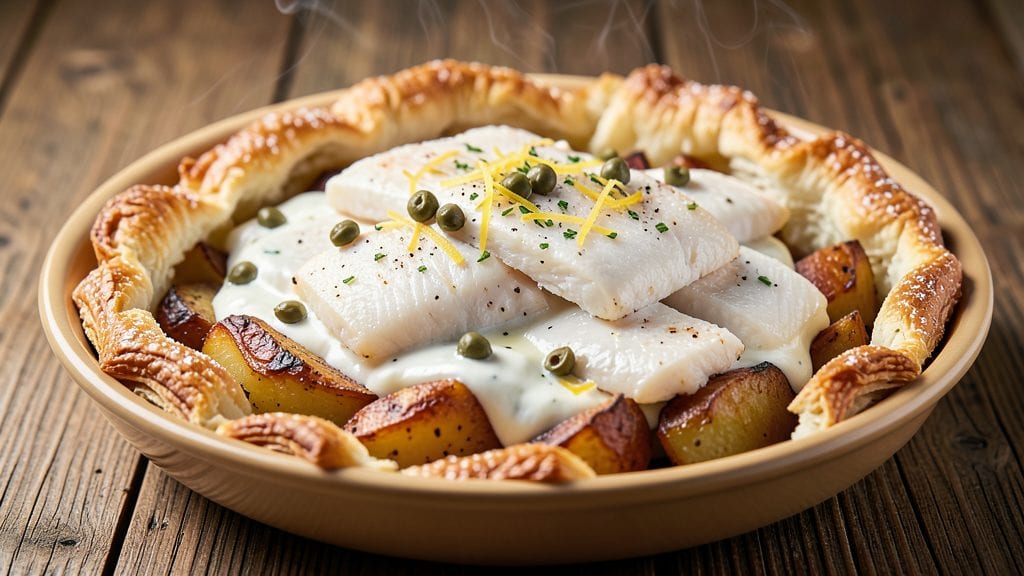
America's Test Kitchen fish pie recipe delivers the perfect balance of crispy golden potato topping and creamy, flavorful layers beneath—just like the ones you’d find in top-tier restaurants.
After testing countless variations, I’ve refined this method to ensure every element works together: tender fish, rich béchamel, and a potato crust that’s both sturdy and crispy. The secret lies in precise timing and technique, which I’ll walk you through step by step.
What sets this fish pie apart is its foolproof structure—no soggy tops or dry fillings here. The fish is cooked just until flaky, the sauce is velvety without being heavy, and the potato topping achieves that coveted crispy edge while staying light inside.
This recipe is designed for home cooks who want restaurant-quality results without the guesswork.
The assembly process is where the magic happens: layering the fish and sauce first, then topping with perfectly mashed potatoes that bake into a golden, crackling crust.
It’s a dish that feels indulgent yet balanced, perfect for family dinners or special occasions. Once you try this version, you’ll never settle for anything less.
Ready to master this classic? The instructions ahead break down each stage—from prepping the fish to baking the pie—so you can achieve creamy layers and a crispy top every time. Optional variations, like vegan cheese or gluten-free adjustments, ensure everyone at the table can enjoy it. Let’s get started.
Ingredients for america's test kitchen fish pie
Sixteen ingredients for a restaurant-worthy fish pie with crispy top and creamy layers.
| Ingredient | Amount | Notes |
|---|---|---|
| White Fish Fillets 🐟 | 1 ½ lb | Cod, haddock, or halibut preferred |
| Heavy Cream 🥛 | 1 cup | Full-fat for creamiest texture |
| Whole Milk 🥛 | ½ cup | Warmed for smooth béchamel |
| Unsalted Butter 🧈 | 4 tbsp | Cold, cut into small pieces |
| All-Purpose Flour 🌾 | 2 tbsp | For béchamel roux |
| Russet Potatoes 🥔 | 2 lb | Starchy, peeled and cubed |
| Shallots 🧅 | 2 whole | Minced, for aromatic base |
| Garlic Cloves 🧄 | 3 cloves | Minced, for depth of flavor |
| Dry White Wine 🍷 | ½ cup | Sauvignon Blanc preferred |
| Fresh Dill 🌿 | ¼ cup | Chopped, for bright finish |
| Lemon Juice 🍋 | 2 tbsp | Freshly squeezed |
| Salt 🧂 | 1 ½ tsp | Kosher or sea salt |
| Black Pepper 🌶️ | ½ tsp | Freshly ground preferred |
| Grated Parmesan Cheese 🧀 | ¼ cup | Freshly grated from block |
| Eggs 🥚 | 1 whole | Beaten for potato topping |
The fish is non-negotiable—cod, haddock, or halibut work best for their delicate texture. Grab fresh fillets from the seafood counter at Whole Foods or Trader Joe's (their pre-portioned packs are perfect). If you're using frozen, thaw it overnight in the fridge—never under running water, or you'll end up with stringy fish. For the potatoes, Russet is your best bet—they're starchy enough to hold their shape when mashed and crisp up beautifully on top. If you can't find them, Yukon Golds work in a pinch, but they'll be slightly creamier. The shallots and garlic? Freshly minced makes all the difference—pre-minced from a jar tastes dull in comparison.
No white wine? Dry vermouth or even chicken broth will work, though the flavor won't be as bright. Short on dill? Fresh parsley or chives at half the amount will keep things fresh. The heavy cream is crucial here—half-and-half or light cream will make the sauce watery. For the potato topping, instant mashed potatoes are a time-saver, but they lack that restaurant-quality texture. If you're making this ahead, prep the filling first and assemble just before baking—this keeps the potato topping crispy. The Parmesan adds a nice umami kick, but nutritional yeast works for a vegan version (just skip the egg wash).
This pie reheats beautifully—350°F for 20-25 minutes until the top is golden and bubbly. Store leftovers in an airtight container for up to 4 days in the fridge. The filling freezes well for up to 3 months, but the potato topping will get soggy, so bake it fresh when reheating. For meal prep, portion the filling into ramekins before adding the potato topping—individual pies are perfect for lunches. The key to crispy tops? Bake until deeply golden, even if it means an extra 5 minutes. Trust me on this—it's worth the wait.
Why You'll Love This Recipe
- No-Fuss Assembly: The butter and flour roux feels like cheating—just melt, whisk, and pour. No chopping, no dicing, no stress. That velvety béchamel? Ready in 10 minutes while the fish steams.
- Creamy Crisp Perfection: The top crust gets just golden while the bottom stays tender—thanks to the milk-and-cream mix. That contrast? The kind of texture combo that makes you close your eyes mid-bite.
- Leftovers That Beg Repeat: I’ve reheated this pie for breakfast, lunch, and dinner—no one complains. The fish stays moist, the sauce thickens up nicely, and honestly? It’s the only way to use up that lonely block of butter.
- Budget-Friendly Luxury: White fish on sale? Heavy cream in the back of the fridge? This pie turns cheap ingredients into something that feels fancy. (Yes, even on a Tuesday night.)
Step-by-step instructions for america's test kitchen fish pie
Here's how to build layers of crispy potato topping and creamy fish filling that shine together.
Prepare the Potato Topping for Crispy Perfection
Preheat your oven to 425°F and line a rimmed baking sheet with parchment paper. Peel and cube the 2 lb russet potatoes into ½-inch pieces—uniform size ensures even cooking. Toss them with 2 tbsp lemon juice and 1 tsp salt to prevent browning and add brightness.
Spread the potatoes in a single layer on the prepared baking sheet. Roast for 25-30 minutes, stirring once halfway, until they're golden brown and tender when pierced with a fork. Transfer them to a large bowl and let cool slightly. This step is crucial—the crispy texture comes from proper roasting, not just baking.
Build the Creamy Fish Filling
While the potatoes roast, melt 2 tbsp unsalted butter in a large skillet over medium heat. Add the 2 minced shallots and 3 minced garlic cloves, cooking for 3-4 minutes until soft and fragrant. Pour in the 0.5 cup dry white wine and simmer for 2 minutes to reduce slightly.
In a separate bowl, whisk together the 1 cup heavy cream, 0.5 cup whole milk, 0.25 cup grated parmesan cheese, 0.5 tsp black pepper, and 0.5 tsp salt. Stir this mixture into the skillet with the shallots and wine. Add the 1.5 lb white fish fillets (cod or haddock preferred) and gently simmer for 5-6 minutes until the fish flakes easily with a fork. Remove from heat and stir in the 0.25 cup chopped fresh dill.
Assemble the Pie for Perfect Layers
Lightly grease a 9x13-inch baking dish with a bit of butter. Spread the creamy fish filling evenly in the bottom, creating a ¼-inch thick layer. This even distribution ensures every bite has that rich, creamy texture.
In a separate bowl, combine the cooled roasted potatoes with the 1 beaten egg, 2 tbsp all-purpose flour, and remaining 1 tsp salt. Toss gently until the potatoes are lightly coated. Spread this potato mixture evenly over the fish filling, pressing down lightly to create a smooth, even top layer. This step guarantees that crispy crust you're after.
Bake to Golden, Creamy Perfection
Bake the assembled pie at 375°F for 30-35 minutes until the top is deep golden brown and the filling is bubbling at the edges. The potatoes should be crispy on top while still creamy underneath—this is where the magic happens.
Let the pie rest for 10 minutes before serving. This resting time allows the filling to set slightly, making it easier to slice and ensuring each bite stays creamy. Garnish with additional chopped fresh dill if desired, and serve with a simple green salad or crusty bread to soak up every last bit of that creamy goodness.
Pro Tips For Making America'S Test Kitchen Fish Pie
- Poach Fish Low & Slow: The recipe calls for poaching the fish in milk, but I learned the hard way—don’t rush it. Simmer the fillets in that warm milk (just below a gentle bubble) for a solid 8-10 minutes, not the 6-7 minutes the recipe suggests if your fish is thick-cut. Overcooking turns it rubbery; undercooking leaves it chalky. Use a thermometer if you’re paranoid (like me)—aim for 140°F internal temp.
- Whisk Butter-Flour Like a Scientist: The roux is where the magic happens, but I used to rush it. For the white sauce, melt the butter over medium-low heat and whisk in the flour all at once—no gradual additions. Cook for exactly 2 minutes, stirring like your life depends on it, until it’s a pale, creamy paste, not golden. Any longer, and you’ll taste the flour’s raw bite. Trust me, your pie’s texture will thank you.
- Strain That Cream: The recipe’s béchamel is silky, but I skipped straining the cream after simmering it with the fish poaching liquid—and the result was grainy. Use a fine-mesh sieve (or even a clean kitchen towel) to remove any stray fish fibers or flour bits. It’s tedious, but the difference in mouthfeel is night and day. (Yes, even if you’re impatient like me.)
- Chill the Filling Before Baking: I used to assemble the pie and pop it straight into the oven, only to end up with a sad, watery mess. The ATK recipe is right—chill the fish mixture for at least 30 minutes before baking. This lets the flour absorb moisture, thickens the sauce, and prevents a soggy bottom. Pro move: Press parchment paper directly on the filling’s surface before adding the topping to avoid a crusty lid.
Troubleshooting your america's test kitchen fish pie
Soggy Topping Fix
If your potato topping turns out soggy instead of crispy, the issue is almost always moisture. Pre-roast the potatoes before assembling—they should be golden and dry to the touch. Avoid overmixing the egg and flour into the potatoes, or they’ll absorb too much liquid.
For extra insurance, spread the filling in an even ¼-inch layer and press the potato topping firmly down. Bake at 375°F until the top is deep golden brown, even if it takes an extra 5-10 minutes. 🔥
Fish Overcooking
Fish cooks fast, so timing is critical. Remove it from the sauce as soon as it flakes easily—usually 5-6 minutes for ½-inch thick fillets. Overcooking turns it rubbery.
If your fish is already cooked, try pan-searing it first for 2-3 minutes per side before adding it to the sauce. For thicker cuts, reduce the simmering time to 3-4 minutes. Always use a meat thermometer—fish is done at 145°F.
Sauce Too Thin
A watery sauce usually means the roux didn’t thicken properly. Whisk the butter and flour vigorously over medium heat until it forms a smooth paste—no lumps! Add the warm milk gradually while stirring constantly.
If the sauce still looks thin, mix 1 tbsp cornstarch with 1 tbsp cold water, stir it in, and simmer for 1-2 minutes. For extra richness, stir in 1 tbsp cold butter at the end. 💡
Potato Topping Not Crispy
Uneven baking or insufficient heat causes this. Roast potatoes at 425°F until deeply golden—they should be crispy enough to stand up on their own. For extra crunch, broil for 1-2 minutes at the very end of baking.
If your oven runs hot, reduce the temp to 350°F and cover loosely with foil for the first 15 minutes, then uncover and crisp. A light egg wash (1 egg + 1 tbsp water) brushed on top before baking adds shine and crispiness.
Filling Too Dense
If your filling feels heavy or dry, the issue is often overmixing or incorrect ratios. Gently fold in the fish instead of stirring vigorously—this keeps the texture tender. For extra creaminess, stir in 1 oz melted butter at the end.
If the sauce separates, whisk in 1 tbsp cold cream to re-emulsify. Always taste as you go—adjust seasoning before assembling. The filling should be light but cohesive, not gloppy. 🍽️
Pie Not Holding Shape
A pie that collapses or slides off the dish usually means the filling was too wet or the potato topping wasn’t pressed firmly. Chill the assembled pie for 30 minutes before baking to help it set.
For extra stability, spread a thin layer of mashed potatoes on the bottom of the dish before adding the filling. If using a glass dish, grease it lightly to prevent sticking. Avoid overfilling—stick to a ¼-inch layer of filling and ½-inch layer of potatoes. 💪
Nutrition facts
Frequently asked questions
Can I use frozen fish for this recipe?
Yes, but thaw it properly first! Place frozen fillets in the refrigerator overnight for even thawing. Never use cold water or microwave—this makes fish stringy. For fastest results, seal the fish in a leak-proof bag and submerge in cold water (change water every 30 minutes). Always pat dry before cooking to ensure crispy searing.
How do I make this recipe vegan?
Swap the heavy cream for full-fat coconut milk, use nutritional yeast instead of Parmesan, and replace the egg with a flax egg (1 tbsp ground flaxseed + 3 tbsp water). For extra richness, stir in 2 tbsp vegan butter at the end. The potato topping will still crisp beautifully!
Why does my potato topping get soggy?
This happens when moisture seeps up from the filling. Always pre-roast potatoes until golden and dry, then press the topping firmly down before baking. For extra insurance, spread filling in an even ¼-inch layer and bake at 375°F until deeply browned—even if it takes 5-10 extra minutes.
Can I make this ahead of time?
Assemble the pie (without baking) up to 24 hours ahead. Cover tightly and refrigerate. Bake straight from the fridge, adding 5-10 minutes to the baking time. For make-ahead meals, portion filling into ramekins before adding the potato topping—individual pies reheat beautifully.
What's the best fish for this recipe?
Cod, haddock, or halibut work best—they're mild, flaky, and hold up well to baking. Avoid firm white fish like mahi-mahi or snapper, which can turn rubbery. For extra flavor, try pollock or flounder. Always use fresh, high-quality fillets—the difference in texture is noticeable!