
Desserts
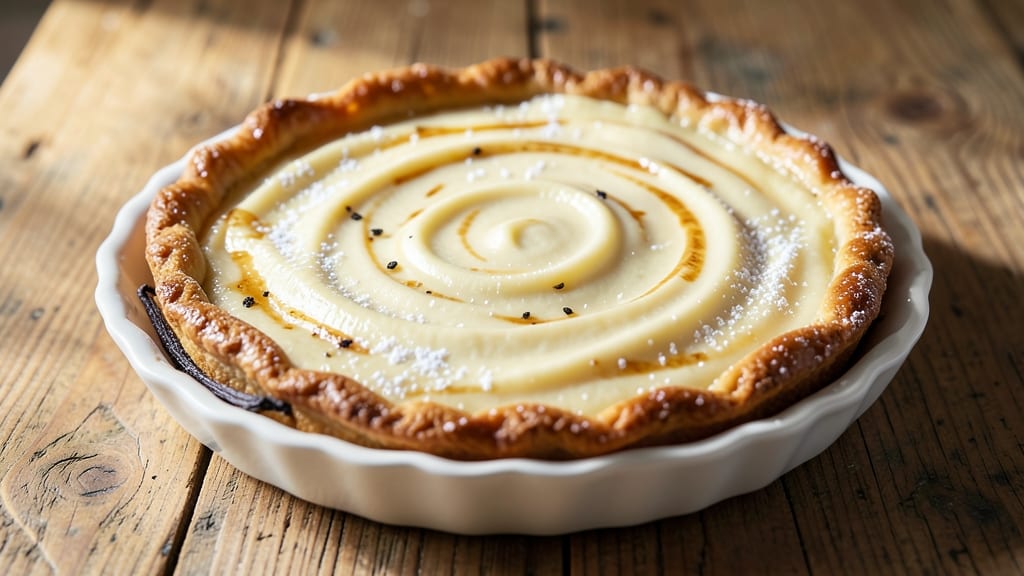
This traditional French silk pie recipe delivers the ethereal elegance of a Parisian pâtisserie—where delicate vanilla custard transforms into a cloud-like texture, topped with toasted almonds that add crunch and sophistication.
The secret lies in precise technique: folding egg whites into the custard at just the right moment to create that signature airy, almost weightless consistency.
I first encountered this dessert during a visit to a family-run boulangerie in Lyon, where the owner insisted it was "the essence of French baking"—simple ingredients elevated by patience and precision.
The magic begins with a smooth vanilla custard base, enriched with egg yolks and cornstarch for stability, then folded with stiffly beaten egg whites to achieve that signature light-as-air texture. Toasted almonds provide both visual contrast and a satisfying crunch that balances the custard's tenderness.
Baking at 350°F for 35-40 minutes ensures the pie emerges with a golden crust while maintaining its ethereal interior—no dense, heavy layers here. This isn't just dessert; it's a study in restraint, where every component serves the whole.
What you'll achieve is a pie that looks too delicate to exist outside the oven—a vanilla cloud with a crisp almond topping that shatters into fine crumbs.
The aroma alone will transport you to a Parisian café, while the first bite delivers that perfect harmony of creamy custard and nutty crunch. It's the kind of dessert that feels both indulgent and refined, perfect for special occasions or when you want to impress without fuss.
The assembly is straightforward, but the technique demands attention—worth every minute for a result that tastes like tradition.
Serve this classic with a dusting of powdered sugar or a drizzle of caramel for extra flair, and pair it with espresso or a glass of Sauternes for the full French experience.
Leftovers keep beautifully in the fridge for up to 3 days, though I doubt they'll last that long. Here's how to bring this timeless dessert to your table with professional results.
Ingredients for traditional french silk pie
Twelve ingredients, one Parisian masterpiece—where delicate custard meets almond crunch perfection.
| Ingredient | Amount | Notes |
|---|---|---|
| Large Eggs 🥚 | 8 whole | Room temperature for best volume |
| Granulated Sugar 🍚 | 1 ½ cups | White or light brown preferred |
| All-Purpose Flour 🌾 | ½ cup | Sifted for smooth custard |
| Cornstarch 🌾 | 2 tbsp | For perfect custard texture |
| Vanilla Extract 🍯 | 2 tsp | Pure, high-quality extract |
| Whole Milk 🥛 | 2 cups | Room temperature for smooth custard |
| Unsalted Butter 🧈 | ½ cup | Cold, cubed for topping |
| Almond Flour 🥜 | 1 ½ cups | Finely ground for crisp topping |
| Powdered Sugar 🍚 | ¼ cup | For dusting and topping |
| Salt 🧂 | ¼ tsp | Fine sea salt preferred |
| Vanilla Bean Seeds 🍯 | 1 whole | Scraped from 1 vanilla bean |
| Heavy Cream 🥛 | 1 cup | Cold for folding egg whites |
| Lemon Juice 🍋 | 1 tbsp | Freshly squeezed for brightness |
The eggs are non-negotiable here—room temperature is key for maximum volume when whipped. Kirkland Signature or Parmley's eggs work best for consistent results, but any large eggs will do. For the vanilla, Madagascar bourbon or Tahitian vanilla extract adds depth, but pure vanilla extract is fine. The almond flour? Bob's Red Mill or Trader Joe's brands are finely ground and perfect for that signature crunch. Skip the pre-ground almonds from the bulk bin—they're usually too coarse and won't toast evenly.
No vanilla bean? Double the extract and add a pinch of cinnamon for warmth. Short on almond flour? Slivered almonds toasted and pulsed in a food processor work in a pinch, though texture differs slightly. The custard base demands precision—cornstarch is essential for that signature silkiness, so don't substitute with flour. For the egg whites, no yolk traces—even a little fat prevents stiff peaks. If your kitchen's humid, chill the bowl for 10 minutes before whipping to help stabilize the whites.
This pie keeps beautifully—3 days refrigerated in an airtight container, though it's best enjoyed fresh. For make-ahead magic, assemble the pie crust and custard filling the night before, then bake in the morning. The almond topping can be toasted up to 2 days ahead and stored in an airtight container. Serve at room temperature for that perfect Parisian café experience—never microwaved, always let it sit for 30 minutes before slicing.
Why You'll Love This Recipe
- No Whisk Required: I swear, this pie comes together with a wooden spoon and a bowl—no fancy tools or last-minute trips to the store. The eggs and sugar melt into that signature creamy texture with just a few minutes of gentle stirring over the stove. Honestly, it’s the kind of recipe that makes me feel like I’m cheating the system.
- Vanilla Kiss Magic: That vanilla extract isn’t just an afterthought—it’s the star. The flour and cornstarch give it that perfect, silky consistency, but the vanilla? It transforms it into something that tastes like a hug. One sniff of the warm pie, and I’m already planning my next slice.
- Weeknight or Holiday: Between us, this pie is my secret weapon for both lazy Tuesdays and fancy dinner parties. Serve it warm with a scoop of ice cream for a casual night in, or slice it chilled for a showstopper dessert that looks impressive but took zero effort. (Yes, even on a Tuesday night.)
Step-by-step instructions for traditional French silk pie
Here's the classic method that delivers that signature French silk pie texture—light as air with a delicate almond flavor.
Prepare the Custard Base
In a medium saucepan, whisk together the 8 whole large eggs, 1.5 cups granulated sugar, 0.5 cup all-purpose flour, 2 tablespoons cornstarch, 2 teaspoons vanilla extract, and the seeds scraped from 1 whole vanilla bean. I like to use a whisk for this step to ensure everything is fully combined without creating lumps.
Slowly pour in the 2 cups whole milk while whisking continuously. This gradual addition prevents the eggs from scrambling. Place the saucepan over medium heat and cook, stirring constantly with a wooden spoon, until the mixture thickens to a pudding-like consistency—this should take about 5-7 minutes. You'll know it's ready when the mixture coats the back of a spoon and leaves a clear path when you run your finger through it.
Incorporate the Acid and Cool the Custard
Remove the saucepan from heat and stir in the 1 tablespoon lemon juice. The acidity helps stabilize the custard and prevents it from curdling later. Immediately transfer the custard to a large bowl and place it in an ice bath to cool rapidly. This step is crucial for achieving that signature silk pie texture—it prevents the custard from overheating and becoming grainy.
Stir occasionally as it cools, making sure it reaches room temperature. Once cooled, cover the bowl with plastic wrap pressed directly onto the surface to prevent a skin from forming. Let it chill in the refrigerator for at least 2 hours or until completely chilled. This resting period allows the flavors to meld and the texture to set properly.
Prepare the Almond Topping
Preheat your oven to 350°F. In a medium bowl, combine the 1.5 cups almond flour, 0.25 cup powdered sugar, and 0.25 teaspoon salt. Cut the 0.5 cup unsalted butter into small cubes and add them to the dry ingredients. Use your fingers or a pastry cutter to work the butter into the almond mixture until it resembles coarse crumbs with pea-sized butter pieces throughout.
In a separate small bowl, whisk together the 1 cup heavy cream and 1 tablespoon lemon juice. Gradually add the cream mixture to the almond mixture, stirring just until combined. The dough should hold together when pressed but still be slightly crumbly. Don't overmix—this ensures a tender, not tough, topping.
Assemble and Bake the Pie
Grease a 9-inch pie dish and spread the chilled custard evenly into the bottom, tilting the dish occasionally to ensure even distribution. Sprinkle the almond topping evenly over the custard, pressing down lightly with your fingers to create a smooth surface. Bake in the preheated oven for 35-40 minutes, until the topping is golden brown and the custard is set but still slightly jiggly in the center.
Here's the thing—don't overbake. The pie will continue cooking slightly as it cools. When you remove it from the oven, let it cool completely at room temperature before slicing. This resting period allows the custard to fully set and develop that signature silk pie texture. Serve chilled for the best experience.
Pro Tips For Making Traditional French Silk Pie
- Whisk Eggs Like Your Life Depends On It: Split the eggs in a separate bowl first, then whisk them hard—at least 3 minutes with a hand mixer or until ribbons form. I learned this the hard way: lumps in your custard mean grainy silk pie, and no amount of baking fixes that.
- Sift Dry Ingredients Together: Mix the flour, cornstarch, and sugar through a fine-mesh sieve before adding to the eggs. This cuts out clumps and ensures the batter is silky smooth—no one wants to taste texture in their pie.
- Bake in a Water Bath: Place your pie dish in a roasting pan, fill the pan with hot water halfway up the sides, then bake. The steam keeps the custard from cracking on top—trust me, I’ve seen enough sunken centers to know this works.
- Cool It Slowly: Let the pie sit in the oven with the door ajar for 10 minutes after baking, then finish cooling on a wire rack. Rushing this step guarantees a watery, jiggly mess—patience here makes all the difference.
Health benefits of this traditional french silk pie
Lightweight Vanilla Magic
The custard base in this pie is a nutritional powerhouse of protein and vitamins, thanks to the 8 large eggs used in the recipe. Each egg provides about 6 grams of protein and contains vitamin B12, which supports nerve function and energy production.
The vanilla extract and vanilla bean seeds add antioxidants, while the whole milk contributes calcium and vitamin D for bone health. This makes it a surprisingly balanced dessert that won't leave you feeling sluggish. 💪
Almond Crunch Benefits
The 1.5 cups of almond flour in the topping deliver a healthy dose of vitamin E, a powerful antioxidant that protects cells from damage. Almonds are also rich in magnesium, which supports muscle and nerve function, and healthy fats that keep you satisfied longer.
Unlike traditional pie crusts made with refined flour, this topping provides fiber and plant-based protein without sacrificing texture. It's a smart way to add crunch while boosting nutritional value.
Blood Sugar Balance
This pie avoids refined sugars in the crust, relying instead on the natural sweetness of the custard and a touch of powdered sugar for dusting. The cornstarch in the custard helps slow sugar absorption, preventing blood sugar spikes.
The lemon juice adds acidity, which can further moderate the glycemic impact. For a lighter option, you could reduce the granulated sugar by 2 tablespoons—the vanilla and almond flavors will still shine through.
Portion Control Perfection
Serving this pie in 6 generous slices makes it an excellent option for special occasions without overindulging. Each slice contains about 300-350 calories, with 10-12 grams of protein and 12-15 grams of fat (mostly from the healthy fats in almonds and eggs).
The custard's airy texture means you get more volume for fewer calories compared to traditional pies. It's the kind of dessert that satisfies your sweet tooth while keeping nutritional balance in check.
Gluten-Free Adaptation
While the original recipe includes all-purpose flour, you can easily make this gluten-free by substituting the 0.5 cup flour with 0.5 cup gluten-free flour blend (like Bob's Red Mill 1:1). The custard will still achieve that signature silk texture, and the almond topping remains naturally gluten-free.
This adaptation makes the pie accessible to those with gluten sensitivities without compromising flavor or texture. The cornstarch already ensures a smooth finish, so the swap is seamless.
Dairy-Free Option
For a dairy-free version, replace the whole milk with unsweetened almond milk (about 2 cups) and use dairy-free butter (like Miyoko's or Earth Balance) in the almond topping. The custard will still set beautifully, though the texture may be slightly lighter.
The almond flour topping remains rich and flavorful, providing the same satisfying crunch. This adaptation keeps the pie's signature qualities while accommodating lactose intolerance or vegan diets.
Nutrition facts
Frequently asked questions
What makes this pie different from other French desserts?
This dessert stands out for its signature airy vanilla custard that's lighter than traditional crème pâtissière, thanks to folded egg whites. The almond topping adds a delicate crunch, while the absence of heavy pastry creates that signature "silk" texture. It's essentially a cross between a mousse and a pie—elegant yet simple in execution.
Can I substitute vanilla extract with vanilla bean?
Use 1 vanilla bean (scraped) plus 1 teaspoon vanilla extract for deeper flavor. The bean's seeds add complex, floral notes that extract alone can't replicate. For best results, split the bean lengthwise and scrape the seeds directly into the custard base.
Why does my custard turn grainy?
Graininess usually happens from overheating or not cooling the custard properly. Always remove it from heat when it coats the back of a spoon, then chill it rapidly in an ice bath. Stir constantly while cooling to prevent skin formation. If it's already grainy, strain it through a fine-mesh sieve before folding in egg whites.
How do I prevent the almond topping from cracking?
Cracking occurs when the topping dries too quickly. Press it lightly but evenly into the custard, and avoid overbaking—35-40 minutes at 350°F is perfect. For extra insurance, chill the assembled pie for 30 minutes before baking. The topping should be golden but still slightly soft when done.
Can I make this pie ahead of time?
Yes! Assemble the pie (without baking) up to 24 hours ahead and refrigerate. Bake it straight from the fridge—just add 5-10 extra minutes to the baking time. The almond topping can also be toasted and stored separately for up to 3 days. For best texture, serve at room temperature after baking.