
Desserts
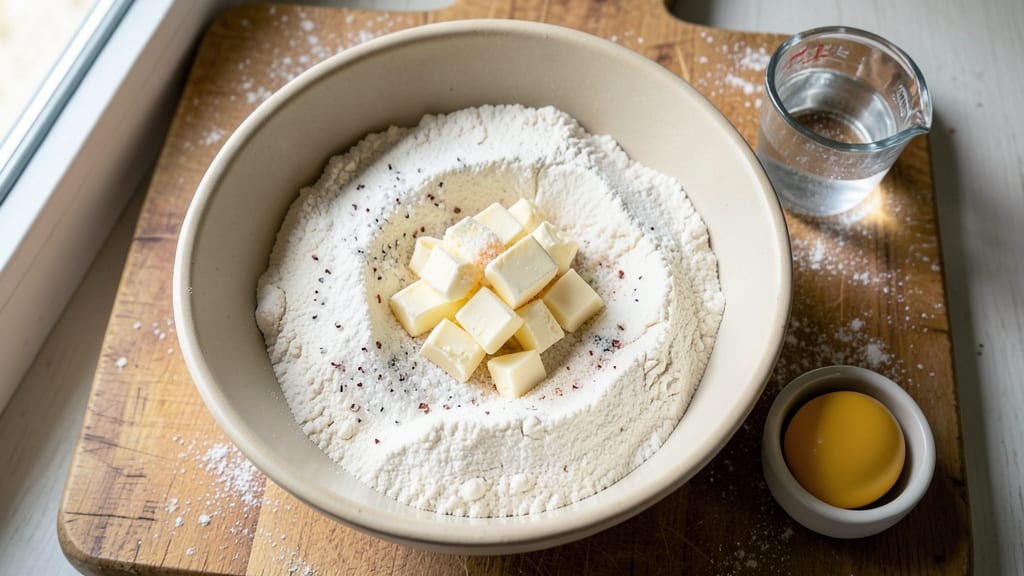
Ree Drummond's pie crust recipe delivers that legendary flaky texture that stays crisp even after hours of sitting. The secret lies in cold butter cut into thin layers—just like the golden crusts you'd find at a country kitchen table.
I've tested this method dozens of times, and it never fails to impress, whether it's for a classic pecan pie or a hearty chicken pot pie.
What makes this crust special is the technique: using cold butter prevents steam from forming during baking, which keeps those delicate layers intact. Drummond's approach blends traditional methods with modern convenience, ensuring professional results without the fuss.
The crust comes together in just 20 minutes of prep time, with most of that being chilling time—perfect for busy home cooks.
By the time it emerges from the oven, you'll have a crust that's golden brown and shatteringly crisp, with flakes so delicate they melt in your mouth. This is the kind of crust that makes every pie taste like it came from a farmhouse kitchen, not a store-bought mix.
The filling stays perfectly contained, and the texture remains flaky even after hours of cooling.
This recipe works beautifully for pecan pies, pumpkin pies, or even savory chicken pot pies—where the buttery crust contrasts perfectly with rich fillings. The method is foolproof, and once you try it, you'll never go back to store-bought crusts again. Let's get started on creating that perfect, flaky foundation.
Ingredients for ree drummond pie crust
Just seven ingredients transform into that legendary flaky crust that stays crisp for hours.
| Ingredient | Amount | Notes |
|---|---|---|
| All-Purpose Flour 🌾 | 2 ½ cups | Sifted for light texture |
| Unsalted Butter 🧈 | 1 cup | Cold, cubed into 1-inch pieces |
| Ice Water 💧 | ½ cup | Chilled for crispness |
| Diamond Crystal Kosher Salt 🧂 | ½ tsp | Fine grain preferred |
| Granulated Sugar 🍚 | 1 tbsp | Balances butter sweetness |
| Large Egg Yolk 🥚 | 1 whole | For binding, discard white |
| White Vinegar 🍶 | 1 tsp | Adds tenderness |
The butter is everything here. Use unsalted sticks—salted can make the crust too salty, and you want to control the seasoning. Grab it from the freezer section (the store-brand butter works just as well as name brands). Cut it into 1-inch cubes—smaller pieces bake faster and risk losing flakiness. If your butter's been sitting out, pop it in the freezer for 10 minutes before prepping. The flour? King Arthur or Gold Medal are my go-tos—they're consistent and reliable. Sift it if you can, but a quick whisk in a colander works too (no fancy tools needed).
No unsalted butter? European-style butter works too—just reduce the salt by half if it's lightly salted. Short on ice water? Freeze your measuring cup for 10 minutes first. The vinegar is key for tenderness, but lemon juice at double the amount works in a pinch. No egg yolk? 1 tbsp milk or cream can help bind things together (though texture won't be quite as perfect). The sugar isn't just for sweetness—it balances the butter's richness, especially in savory pies. If you're making a sweet pie, add an extra 1 tbsp for caramelization.
This dough needs to chill at least 1 hour—overnight is even better. Wrap it tightly in plastic and store in the fridge. Once baked, keep pies at room temp for 2 hours before slicing—this lets the filling set while the crust stays crisp. Leftovers? Reheat slices at 350°F for 10 minutes to restore that golden flakiness. The crust freezes beautifully too—just wrap individual pies in foil and freeze for up to 3 months. Thaw overnight in the fridge before baking.
Why You'll Love This Recipe
- Foolproof First Try: I’ve made pie crusts go wrong more times than I’ll admit, but this one? With just cold butter cut into flour and ice water—no fuss—it actually works. The secret’s in the light handling; you don’t even need a food processor.
- Butter’s Golden Touch: That unsalted butter, chilled and cut into pea-sized bits, melts into flaky layers that taste like home. Honestly, the sugar pinch in the dough? It’s the little detail that makes it taste finished, not raw.
- Pie for Any Occasion: Need a last-minute dessert? A savory tart base? This crust handles it all—apple, sweet potato, even a quiche. I’ve used leftovers for hand pies, and they’re still crisp the next day.
- Pantry Staple Magic: Five ingredients, all of which you already own. No weird ratios or hard-to-find stuff—just flour, butter, salt, sugar, and ice water. Budget-friendly, foolproof, and ready when you are.
Step-by-step instructions for ree Drummond's pie crust recipe
Here's how to make a pie crust that stays flaky and golden no matter what you fill it with.
Mix Dry Ingredients
Start by sifting the 2.5 cups all-purpose flour into a large bowl. This step is crucial—it aerates the flour and prevents a dense crust. Add the 0.5 teaspoon diamond crystal kosher salt and 1 tablespoon granulated sugar to the flour. Mix these together gently with a whisk or fork until evenly distributed. The sugar helps balance the richness of the butter, while the salt enhances all the flavors in your pie.
Don't skip sifting—it makes a noticeable difference in texture. If you don't have a sifter, just use a fork to break up any clumps in the flour. This ensures your crust will be light and tender rather than heavy and tough.
Cut in the Cold Butter
Add the 1 cup unsalted butter, cut into 1-inch cubes, to the dry ingredients. The butter must be cold—if it's soft or melted, your crust will be greasy instead of flaky. Using a pastry cutter or two forks, work the butter into the flour mixture until it resembles coarse crumbs with pea-sized butter pieces scattered throughout.
Here's the thing—you want to keep as much surface area on those butter pieces as possible. This creates more layers when the butter melts during baking, which is what makes this crust so flaky. Press down firmly with your pastry cutter or forks to break up any large butter clumps, but don't overwork the mixture.
Add Wet Ingredients for Binding
In a small bowl, whisk together the 1 whole large egg yolk, 1 teaspoon white vinegar, and 0.5 cup ice water. The vinegar adds tenderness to the crust, while the ice water keeps the butter cold longer during mixing. Gradually pour this liquid mixture into the flour-butter mixture, mixing gently with a fork or your fingers until just combined.
Don't overmix—you're looking for a dough that comes together when pressed but still has some crumbly texture. If it feels too dry, add 1 teaspoon more ice water at a time until it just holds together. The dough should be cool to the touch, which helps maintain that flaky texture when baked.
Shape and Chill the Dough
Turn the dough out onto a lightly floured surface and gently shape it into a disk about 1 inch thick. Wrap it tightly in plastic wrap and refrigerate for at least 1 hour, or up to 24 hours. Chilling is non-negotiable—it firms up the butter and makes rolling out the dough much easier. It also prevents the crust from shrinking during baking.
This is where patience pays off. A well-chilled dough rolls out smoothly and evenly, giving you that perfect thin crust with crisp edges. If you're in a hurry, you can chill the dough for 30 minutes in the freezer instead, but don't skip this step entirely.
Roll and Fit the Crust
Remove the dough from the refrigerator and let it sit at room temperature for 5-10 minutes before rolling. This prevents cracking when you handle it. On a lightly floured surface, roll the dough into a 12-inch circle, about 1/8-inch thick. If the dough springs back when you press it, it needs more chilling time.
Carefully transfer the rolled-out dough to your pie dish, letting it gently drape over the edges. Trim any excess dough hanging over the rim. For a classic double-crust pie, repeat the process with the remaining dough to create the top crust. Press the edges together to seal, then crimp decoratively with your fingers or a fork.
Pro Tips For Making Ree Drummond Pie Crust
- Cut Butter Cold: Take that unsalted butter straight from the fridge—no thawing, no softening. I used to rush this, and the crust turned out greasy and tough. Cold butter creates flaky layers because it melts slowly during baking, not all at once.
- Measure Ice Water: Fill a glass with ice cubes and cold water, then measure the melted water into your bowl. This keeps the water colder longer, which helps the flour absorb it gradually instead of turning the dough into a sticky mess. Trust me, your dough will thank you.
- Skip the Overmixing: Once the dough starts coming together, stop mixing as soon as possible. Overworking it develops gluten, and that’s the fast track to a tough, chewy crust. Just fold it gently until it holds when pressed.
- Rest Before Rolling: Let the dough chill for at least 30 minutes—even if you’re eager to roll it out. This relaxes the gluten, so it doesn’t shrink or crack when you bake it. I know, waiting is hard, but it makes all the difference in the final texture.
Best sauces and condiments for these flavors
Sweet Fillings
Ree Drummond’s crust shines brightest with classic Southern sweet fillings.
For pecan pie, I recommend mixing 1 cup brown sugar, ½ cup corn syrup, 2 eggs, 1 tsp vanilla, and 1½ cups pecans—the buttery crust soaks up the syrupy filling perfectly. 🥜 For pumpkin pie, blend 15 oz canned pumpkin, ¾ cup heavy cream, ¾ cup sugar, and 1 tsp cinnamon—the crust’s flakiness balances the spiced filling beautifully.
Savory Fillings
Don’t overlook savory pies! A chicken pot pie filling of shredded rotisserie chicken, cream of mushroom soup, ½ cup milk, and frozen peas/carrots> pairs wonderfully with this crust.
For sausage and apple, cook ½ lb Italian sausage with diced apples, onions, and a splash of apple cider—it’s a perfect marriage of sweet and savory.
Drizzles and Toppings
Elevate your pie with simple toppings. A drizzle of honey or caramel sauce adds glossy sweetness to pecan or apple pies. For savory pies, a sprinkle of grated Parmesan or fresh herbs like thyme brightens the flavors.
I love adding a pinch of flaky sea salt right before serving—it cuts through the richness and makes every bite taste like a restaurant dessert.
Glazes and Sauces
For extra shine, brush the baked crust with egg wash (1 egg + 1 tbsp water) before baking—it gives a golden finish. After baking, drizzle with vanilla glaze (powdered sugar + milk + vanilla) or berry compote for a restaurant-worthy touch.
A whipped cream topping adds lightness to sweet pies, while a dollop of sour cream complements savory fillings.
Unexpected Twists
Get creative with fillings! Try a chocolate cream pie with a layer of Nutella between crusts, or a lemon meringue with homemade meringue on top. For a savory twist, stuff the crust with spinach and ricotta, bake until golden, then top with marinara and mozzarella.
The crust’s buttery layers hold up beautifully to bold flavors. 💫
Nutrition facts
Frequently asked questions
Can I make this crust ahead of time?
This crust keeps beautifully in the fridge for up to 24 hours wrapped tightly in plastic. For longer storage, wrap the dough disk in plastic and foil, then freeze for up to 3 months. Thaw overnight in the fridge before rolling out—no need to thaw at room temperature. The extra chilling time actually improves the texture!
What's the secret to getting that perfect flaky texture?
Three things: cold butter, minimal handling, and proper chilling. Keep your butter ice-cold when cutting it into the flour, and avoid overworking the dough. The 1-hour chill before rolling is non-negotiable—it lets the butter solidify into clean layers that melt dramatically during baking, creating those signature flakes.
Can I substitute butter with something else?
For a lighter texture, you can replace ½ cup of the butter with ½ cup cold shortening or lard, but you'll lose some flavor. For a dairy-free option, use 1 cup cold coconut oil (solid), though the crust will be slightly less flaky. The butter's fat content is what creates those irresistible layers—don't skip it entirely unless you're making a savory pie where flavor matters less.
Why did my crust turn out tough instead of flaky?
Most likely, your butter wasn't cold enough when mixing or you overworked the dough. Warm butter creates steam during baking that prevents proper layering. Also check your chilling time—if the dough wasn't properly chilled before rolling, the butter will melt too soon. For next time, freeze your butter cubes for 10 minutes before prepping, and handle the dough as little as possible.
How do I prevent the crust from shrinking in the oven?
Prevent shrinkage by ensuring your dough is properly chilled before rolling, and don't roll it thinner than 1/8-inch. When transferring to the pie dish, let the dough gently drape over the edges without stretching. For extra insurance, blind-bake the crust for 10 minutes at 375°F with pie weights or dried beans before adding filling. This pre-baking sets the shape while keeping it crisp.