
Desserts
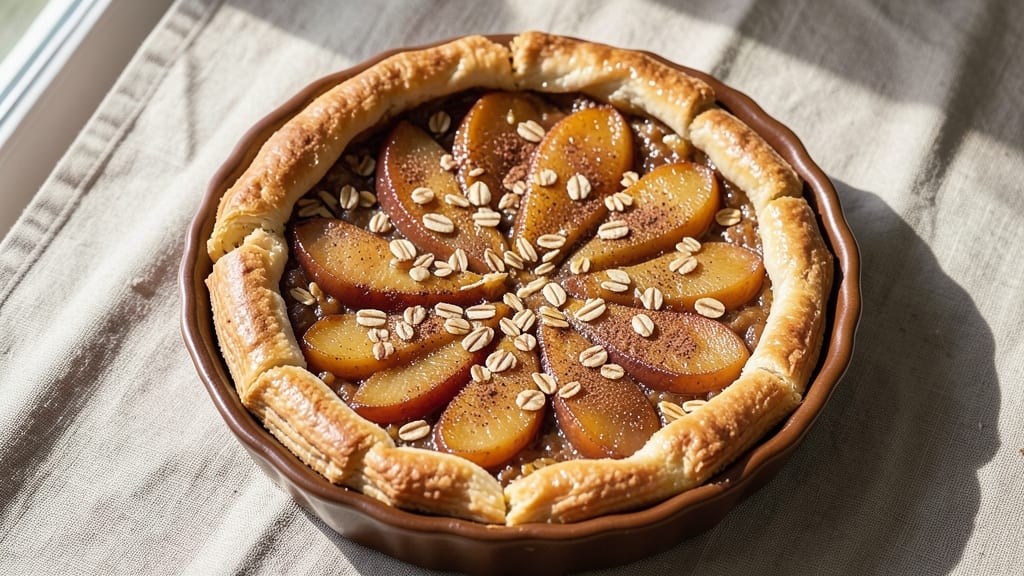
This quince pie recipe delivers the perfect balance of spiced fruit filling and crisp oat crust, a dessert that transforms humble quince into something extraordinary.
The process begins with carefully peeling and cooking the fruit until it reaches that signature tender yet slightly firm texture, then infusing it with warm spices that complement its natural floral notes.
My version skips the traditional flaky crust in favor of a rustic oat base that adds earthy depth and a satisfying crunch.
The filling requires patience—quince needs to be cooked just right to avoid mushiness while developing its signature caramelized sweetness. Once combined with cinnamon, nutmeg, and a touch of vanilla, the mixture transforms into a fragrant, jam-like consistency that will have your kitchen smelling like autumn.
The oat crust, meanwhile, bakes to a golden, slightly crisp exterior with a tender interior that holds up beautifully to the fruit’s juices.
What makes this recipe stand out is how it elevates quince, a fruit often overlooked in American kitchens, into a showstopping dessert. The spiced filling caramelizes beautifully as it bakes, creating pockets of concentrated flavor, while the oat crust adds a textural contrast that keeps every bite interesting.
This pie isn’t just dessert—it’s a centerpiece, worthy of holidays or special occasions without requiring advanced baking skills.
Ready in about 75 minutes with 30 minutes of active prep, this quince pie delivers restaurant-quality results at home. The key lies in precise cooking times and proper crust assembly, both of which I’ll walk you through step by step.
Whether you’re a seasoned baker or new to quince, this recipe ensures a tender, flavorful pie with a crust that’s both sturdy and delightfully rustic.
Ingredients for quince pie
Six ingredients transform quince into a showstopping pie with spiced filling and oat crust magic.
| Ingredient | Amount | Notes |
|---|---|---|
| Quince Fruits 🍐 | 4 whole | Medium-sized, firm ripe quince |
| All-Purpose Flour 🌾 | 1 ½ cups | For oat crust structure |
| Old-Fashioned Rolled Oats 🍚 | 2 cups | Coarsely ground for texture |
| Unsalted Butter 🧈 | 1 cup | Cold, cubed for crust |
| Granulated Sugar 🍚 | 1 ½ cups | For filling sweetness |
| Ground Cinnamon 🌿 | 2 tsp | Ceylon preferred for warmth |
| Ground Nutmeg 🌿 | ½ tsp | Freshly grated preferred |
| Pure Vanilla Extract 🍯 | 1 tsp | High-quality Madagascar |
| Lemon Juice 🍋 | 2 tbsp | Freshly squeezed |
| Large Egg 🥚 | 1 whole | For egg wash |
| Diamond Crystal Kosher Salt 🧂 | ½ tsp | Fine grain preferred |
| Ground Cloves 🌶️ | ¼ tsp | Optional for depth |
| Heavy Cream 🥛 | ¼ cup | For crust richness |
Quince is the star—look for fruits that yield slightly when pressed but aren’t mushy. Specialty grocers like Whole Foods or Latin markets often carry them in fall. If you can’t find fresh quince, high-quality quince paste (like Maille) works in a pinch, though it lacks the caramelized depth. The oats should be old-fashioned rolled, not quick oats—they create that perfect rustic crunch. I always toast mine lightly before mixing to deepen their nutty flavor (just 3-4 minutes in a dry pan). For the cinnamon, Ceylon has a more delicate, sweeter profile than regular cassia, but either works.
No quince? Pear or apple slices can mimic the texture, but you’ll miss that floral complexity. Substitute vanilla bean paste for extract if you’re feeling fancy—scrape the seeds directly into the filling. Running short on butter? Vegetable shortening works for the crust, though it lacks flavor. The heavy cream in the crust can be swapped for Greek yogurt or sour cream for tang. For the spices, if you only have whole cloves, toast and grind them fresh—they’ll add a whole new layer of warmth. And if your kitchen lacks a pie dish, a deep cake pan lined with parchment works too (just adjust baking time).
Quince filling keeps 3 days in the fridge before baking—perfect for making ahead. The crust mixture holds in the fridge for 2 days, so prep it a day in advance. Once baked, this pie reheats beautifully—just 10 minutes at 350°F wrapped in foil. Store leftovers in an airtight container for 5 days. The crust stays crisp for about 2 days, but the filling only gets better with time. Freeze the whole pie (uncut) for 3 months—thaw overnight in the fridge before serving.
Why You'll Love This Recipe
- No Fuss Filling: I peel and slice the quince while watching a movie—minimal prep, zero fuss. The oats thicken it just right, so you’re not stuck stirring for hours like with other fruit pies.
- Hidden Depth: That caramelized quince? Sweet-tart perfection that tastes like autumn in a bite. The buttery oat crust adds a crunch that makes it feel indulgent without being heavy.
- Weekend or Holiday: Serve it warm with vanilla ice cream on a lazy Sunday or pack slices for potlucks—it’s equally at home. Honestly, I’ve even brought it to book clubs, and no one guessed how easy it was.
- Leftovers That Shine: This pie actually gets better the second day, especially with a sprinkle of cinnamon. I make a double batch because it’s cheaper than buying store-bought, and the oats stretch it further than flour-heavy crusts.
Step-by-step instructions for quince pie recipe
Transforming quince into this fragrant pie takes patience, but the aromatic filling and nutty crust are worth every moment.
Prepare the Quince Filling
Peel and core the 4 whole quince fruits, slicing them into ¼-inch thick rounds. Place them in a large bowl and sprinkle with the 2 tablespoons lemon juice - this prevents browning and softens the fruit slightly. Let them sit for 15 minutes while you prepare the spice mixture.
In a small bowl, whisk together the 1.5 cups granulated sugar, 2 teaspoons ground cinnamon, 0.5 teaspoon ground nutmeg, 0.25 teaspoon ground cloves, and 1 teaspoon pure vanilla extract. This aromatic blend will infuse the quince with warm, spiced depth. Pour the spice mixture evenly over the quince slices, tossing gently to coat each piece completely. The sugar will begin to draw out juices immediately, creating a syrupy base for the filling.
Create the Oat Crust
In a food processor, pulse the 2 cups old-fashioned rolled oats until they resemble coarse sand, with some slightly finer particles remaining. Transfer these to a large mixing bowl and add the 1.5 cups all-purpose flour, 0.5 teaspoon diamond crystal kosher salt, and the 1 cup cold, cubed unsalted butter. Using a pastry cutter or your fingers, work the butter into the oat mixture until the texture resembles coarse crumbs with pea-sized butter pieces remaining.
Add the 0.25 cup heavy cream and mix until the dough just begins to come together. Be careful not to overwork it - you want a firm but crumbly texture that will create a rustic, shatteringly crisp crust. Divide the dough evenly between two 9-inch pie dishes, pressing firmly into the bottom and up the sides to create a thick, sturdy shell. Chill both crusts in the refrigerator while you prepare the filling.
Assemble and Bake the Pies
Preheat your oven to 375°F. Arrange the spiced quince slices in a single layer in one of the chilled pie crusts, slightly overlapping them if needed to create an even surface. Pour any accumulated juices from the bowl over the quince. Place the second crust on top, pressing gently to seal the edges. Cut a few small slits in the top crust to allow steam to escape.
Brush the top crust generously with the beaten large egg, which will create a golden, glossy finish. Bake for 50-55 minutes until the crust is deep golden brown and the filling is bubbling through the slits in the top crust. The quince should be tender when pierced with a fork but still hold its shape slightly. If the crust begins to brown too quickly, tent loosely with aluminum foil.
Rest and Serve
Remove the pies from the oven and let them cool on a wire rack for at least 2 hours before serving. This resting period allows the filling to set properly and the flavors to meld completely. The contrast between the warm, spiced quince and the crisp, nutty oat crust develops during this time, creating the perfect balance of textures and flavors.
Serve each slice warm, with a dusting of additional ground cinnamon if desired. The quince will have a delicate, floral aroma with subtle tartness perfectly balanced by the sweet spice mixture. The oat crust should shatter slightly with each bite, providing a delightful textural contrast to the tender fruit filling. Store any leftovers in the refrigerator for up to 3 days, though they rarely last that long!
Pro Tips For Making Quince Pie
- Peel Quince Like a Pro: Skip the knife and use a vegetable peeler—quince skin is tough, and peeling it raw is a nightmare. Soak the fruit in hot water (not boiling) for 10 minutes first; the skin slips off easier, and you won’t lose half the flesh to stubborn rind.
- Cook Quince Until It’s Soft: Undercooked quince stays rubbery, and overcooked turns to mush. Simmer peeled, sliced quince in sugar and water until a fork glides through it like butter—about 20-25 minutes. If it’s still firm, add 5 more minutes; if it’s falling apart, reduce heat and stir gently.
- Toast Oats First: I learned this the hard way—raw oats in the filling make the pie soggy. Dry-toast the rolled oats in a skillet over medium heat for 5 minutes until golden and nutty. Then mix them into the butter-sugar base; the texture stays crisp even after baking.
- Blind-Bake the Crust: Quince pie filling is wet, and skipping this step means a greasy, soggy bottom. Line the crust with parchment, fill with pie weights or dried beans, and bake at 375°F (190°C) for 15 minutes before adding the filling. The crust stays sturdy—no one will guess you cheated.
Storing and reheating this dish
Fridge Storage Tips
Quince pie holds up beautifully in the fridge for 3-4 days after baking, with the filling actually developing deeper flavors over time. I store it in an airtight container with parchment paper between layers to prevent drying.
The crust stays crisp for about 2 days, but the filling remains tender and flavorful. For best results, let the pie cool completely before refrigerating to prevent condensation from making the crust soggy. 💫
Freezer Prep Guide
For long-term storage, this pie freezes exceptionally well—just wrap the whole baked pie tightly in plastic wrap followed by a layer of aluminum foil. I place it in a freezer bag with all excess air removed to prevent freezer burn.
Label with the date and freeze for up to 3 months. Thaw overnight in the fridge before serving to preserve texture.
Reheating Methods
For warmed slices, I recommend reheating at 350°F for 10-12 minutes wrapped in foil to maintain moisture. The oven method preserves both the crust's crispness and the filling's delicate texture.
For microwave reheating, cover a single slice with a damp paper towel and heat at 50% power for 20-30 seconds—just enough to warm through without overcooking.
Crust Refresh Tricks
If the crust loses its crispness after refrigeration, revive it by baking at 375°F for 5-7 minutes until golden again. For extra crunch, sprinkle with powdered sugar before reheating—it caramelizes slightly, adding a sweet contrast.
The oat crust's natural oils help maintain texture better than traditional pastry crusts after reheating. ✨
Make-Ahead Filling
Prepare the quince filling up to 3 days in advance and store it in an airtight container in the fridge. The flavors deepen as the spices infuse, and the fruit softens slightly—perfect for a no-bake dessert if you're short on time.
Just assemble and bake as directed when ready to serve. This is my favorite time-saving trick for busy weekends. 💡
Serving Warm Secrets
Serve quince pie warm for the best experience—the contrast between the hot crust and cool filling creates magical texture. I like to dust with Ceylon cinnamon right before serving to enhance the spiced aroma.
Pair with a scoop of vanilla bean ice cream to balance the pie's natural tartness. The warm spices in the filling make this dessert especially comforting during fall evenings. 🍂
Nutrition facts
Frequently asked questions
Why does quince need to be peeled before baking?
Quince has a tough, fibrous skin that doesn't soften during baking—it remains chewy and unpleasant to eat. Peeling ensures a smooth, tender texture in your filling. The fruit's natural astringency also makes the skin bitter, so removing it reveals the sweet, floral notes we want to highlight in the pie.
Can I substitute quince with another fruit?
While quince is ideal, you can use pears or apples in a pinch, though the flavor will differ. For best results, choose tart varieties like Granny Smith apples and reduce sugar to 1 cup. The spice blend still works well, but quince's unique floral aroma and firm texture are irreplaceable in traditional recipes.
How do I know when quince is ripe enough?
Look for quince that yields slightly when gently pressed but doesn't feel mushy. The skin should be smooth and free of soft spots. Ripe quince will have a sweet, honey-like aroma near the stem—this is your best indicator. If they're too hard, they won't soften properly during cooking.
Why does my oat crust turn out crumbly instead of crisp?
Overworking the dough or using too much liquid makes the crust lose its structure. The key is to mix just until the dough comes together—it should resemble coarse crumbs with pea-sized butter pieces. Chill the crust for 30 minutes before baking to help it firm up and develop proper crispness.
Can I make this pie gluten-free?
Yes! Replace the all-purpose flour with a 1:1 gluten-free baking flour blend and use certified gluten-free oats. The crust may be slightly less crisp, but the flavor remains excellent. For extra binding, add 1 tablespoon of ground flaxseed mixed with 3 tablespoons water to the crust mixture.