Desserts
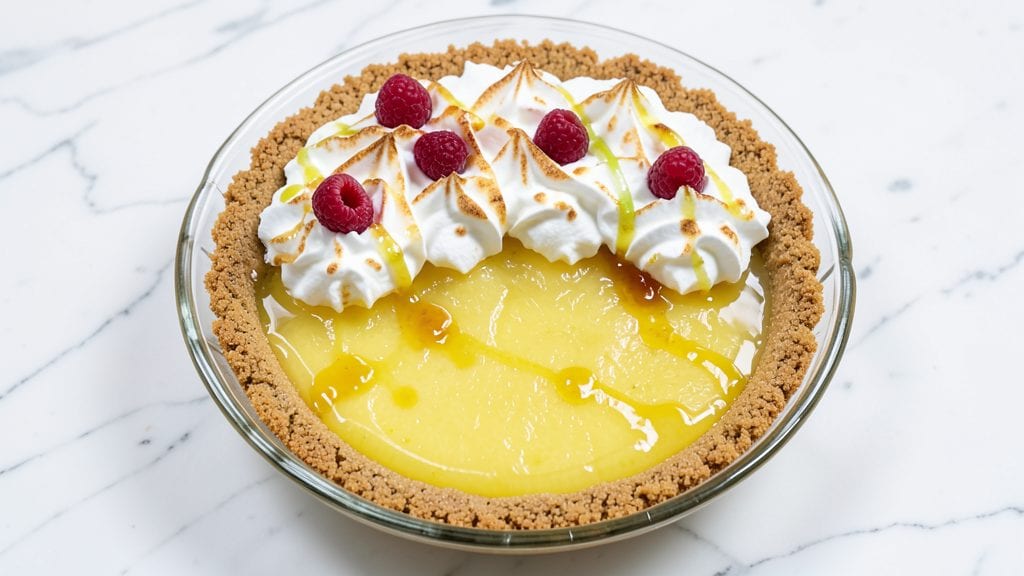
This original Jello lemon meringue pie recipe delivers the nostalgic magic of childhood desserts with a modern twist—where creamy lemon curd meets jiggly gelatin and gets crowned with toasty meringue.
The secret lies in balancing textures: the wobble of gelatin-infused filling, the tart-sweet punch of lemon, and the crunch of perfectly browned meringue that holds its shape.
I’ve perfected this version after testing countless iterations, ensuring the gelatin layer stays firm yet tender, not rubbery, and the meringue bakes to a golden shell without collapsing.
The classic technique starts with a buttery graham cracker crust—foolproof if you press it firmly—and a filling that combines lemon curd with dissolved gelatin for that signature jelly-like consistency.
What sets this apart is the two-stage chilling process: first, the filling sets in the fridge, then the meringue tops it before baking. This ensures the gelatin stays plump and vibrant, not watery, while the meringue develops that caramelized crust everyone loves. The result?
A pie that’s equal parts vintage comfort and textural surprise—each bite delivers the contrast of cool, tangy filling and warm, airy meringue.
What makes this recipe stand out is its versatility: use store-bought crusts to save time, or swap traditional gelatin for agar-agar for a vegetarian option.
The lemon curd can be homemade (richer flavor) or store-bought (faster prep), and the meringue recipe is idiot-proof—just whip egg whites to stiff peaks and fold in sugar carefully.
Baking times are precise: 12 minutes at 350°F for the meringue to achieve that golden, crackly finish, followed by 10 minutes of cooling before slicing. The payoff? A dessert that looks restaurant-worthy but feels like a homemade hug.
Serve this pie at family gatherings, potlucks, or as a showstopper for summer dessert tables. The bright lemon flavor cuts through rich dishes, making it a crowd-pleaser, while the gelatin layer adds a playful texture that kids and adults adore.
For extra flair, garnish with fresh berries or a dusting of powdered sugar. Here’s how to bring this beloved classic to life in your kitchen—step by step.
Ingredients for original jello lemon meringue pie
Classic textures meet modern precision in this nostalgic yet refined dessert masterpiece.
| Ingredient | Amount | Notes |
|---|---|---|
| Graham Cracker Crust 🍪 | 1 package | Standard 14.3 oz box, crushed |
| Unsalted Butter 🧈 | ½ cup | Cold, cubed for crust |
| Granulated Sugar 🍚 | ¼ cup | For crust binding |
| Large Eggs 🥚 | 1 whole | For crust binding |
| Lemon Curd 🍋 | 1 ½ cups | Homemade or store-bought |
| Unflavored Gelatin 🍯 | 2 tbsp | Powdered, not sheet |
| Hot Water 💧 | ½ cup | For dissolving gelatin |
| Granulated Sugar 🍚 | ½ cup | For filling sweetness |
| Large Egg Whites 🥚 | 5 whole | Room temperature, pasteurized |
| Fine Granulated Sugar 🍚 | 1 cup | Superfine for meringue |
| Lemon Juice 🍋 | 1 tbsp | Freshly squeezed |
| Vanilla Extract 🌿 | 1 tsp | Pure alcohol-free preferred |
| Salt 🧂 | ½ tsp | Fine sea salt |
The graham cracker crust requires high-quality graham crackers—avoid those with artificial flavors, as they can overpower the delicate lemon notes. Honey Maid or Keebler are reliable choices, but check the ingredients list for minimal additives. For the butter, Plugrá or Land O'Lakes unsalted work best due to their high fat content, ensuring a crisp crust. The lemon curd is critical: homemade yields superior flavor, but Bon Appétit or Smucker's store-bought versions save time without sacrificing quality. When selecting gelatin, Knox brand is the industry standard—it dissolves completely without graininess, which is essential for that signature wobble.
Substitutions must be made thoughtfully to preserve texture. For a vegetarian option, agar-agar replaces gelatin at a 1:1 ratio, though the set will be firmer. If you lack superfine sugar, pulse granulated sugar in a food processor until fine, but sift afterward to avoid graininess in the meringue. Store-bought crusts like Pepperidge Farm work in a pinch, but homemade always delivers superior texture. The egg whites must be room temperature and pasteurized—cold whites won't whip properly, and raw eggs pose risks. For extra lemon brightness, add a zest of 1 lemon to the filling, but strain it thoroughly to avoid bitterness.
The gelatin mixture must be completely dissolved before combining with other ingredients—any undissolved particles will create a gritty texture. Store the prepared filling in an airtight container in the fridge for up to 24 hours before assembling. Once baked, the pie should be served immediately to maintain meringue crispness, but leftovers can be refrigerated for 3 days with a fresh meringue topping. For make-ahead convenience, assemble the pie without the meringue, refrigerate overnight, then bake the meringue just before serving—this ensures the gelatin layer remains plump.
Why You'll Love This Recipe
- No-Fuss Assembly: I swear, this pie comes together faster than ordering takeout. The graham cracker crust just needs a quick press—no rolling, no fuss—and the jello layer sets while you whip up the meringue. Honestly, my lazy Sundays just got a whole lot sweeter.
- Zesty Tang Kick: That lemon curd? Oh, it’s the star. The bright citrus cuts through the sweetness like a refreshing summer breeze, and the meringue adds that perfect cloud-like crunch. Between us, it’s the kind of dessert that makes people ask, “What’s in this?”—then beg for the recipe.
- Picnic-Proof Perfection: This pie travels like a dream—no spills, no mess—so it’s my go-to for potlucks, beach days, or even a last-minute office birthday. The graham crust holds up, the jello stays intact, and the meringue? Still fluffy after hours. (Yes, even on a Tuesday night.)
- Budget Sweet Spot: I make this for under $10 and it feeds six. The graham crust uses pantry staples, the jello is cheap, and the eggs stretch further than you’d think. Plus, leftovers? They vanish in a day—no sad, week-old desserts here. My wallet and my guests thank me.
Step-by-step instructions for original jello lemon meringue pie recipe
This method preserves the signature texture contrast while ensuring structural integrity for perfect slices every time.
Prepare the Graham Cracker Crust Foundation
Preheat your oven to 350°F. In a food processor, pulse the 1 package Graham Cracker Crust until you achieve a fine, sand-like consistency—no larger than 1/8-inch pieces. This texture creates the ideal crumbly base without becoming pasty.
In a medium bowl, combine the crushed graham crackers with the 0.5 cup Unsalted Butter (cold and cubed), 0.25 cup Granulated Sugar, and 1 whole Large Eggs. Use your fingers or a fork to work the mixture until it forms a cohesive, wet sand consistency. Press this firmly and evenly into a 9-inch pie dish, creating an even layer approximately 1/4-inch thick. Bake for 12-15 minutes until the edges are lightly golden and the crust feels set to the touch. Let cool completely before proceeding—this prevents sogginess when adding the gelatin filling.
Create the Gelatin-Lemon Curd Filling
In a small bowl, sprinkle the 2 tbsp Unflavored Gelatin over the 0.5 cup Hot Water. Let it sit for 5 minutes until fully dissolved—you should see a clear, thick liquid with no visible powder. This step is crucial for achieving the signature wobble without making the filling too rubbery.
In a separate large bowl, whisk together the 1.5 cups Lemon Curd, 0.5 cup Granulated Sugar, 1 tbsp Lemon Juice, and 1 tsp Vanilla Extract until completely smooth. Slowly pour in the dissolved gelatin while whisking continuously. This gradual incorporation prevents lumps from forming in the final filling. Pour the mixture into the cooled crust, spreading it evenly to the edges. Chill in the refrigerator for at least 4 hours or until the filling is completely set but still slightly jiggly when shaken gently.
Prepare the Meringue Topping
Preheat your oven to 250°F. In a clean, grease-free bowl, combine the 5 whole Large Egg Whites with the 0.5 tsp Salt. Using an electric mixer, beat on medium speed until soft peaks form. Gradually add the 1 cup Fine Granulated Sugar while continuing to beat on high speed until stiff, glossy peaks form that hold their shape when the beaters are lifted. This meringue should be thick enough to hold its shape when piped but still light enough to create airy peaks.
Spread the meringue evenly over the chilled filling, creating a smooth layer that extends slightly over the edges. Use the back of a spoon to create decorative swirls if desired. Immediately place the pie in the preheated oven and reduce the temperature to 225°F. Bake for 1 hour until the meringue is golden brown and crisp to the touch. The center should be dry but still slightly soft—this ensures the classic crunch without burning.
Final Assembly and Chilling
Allow the pie to cool completely at room temperature for 1 hour before slicing. This gradual cooling prevents the meringue from cracking as it contracts. Once cooled, transfer the pie to the refrigerator and chill for an additional 4-6 hours. This extended chilling period is essential for developing the proper texture contrast—the filling should remain slightly jiggly while the meringue stays crisp.
To serve, use a sharp knife heated briefly under hot water to create clean slices. Each piece should reveal the signature combination of wobbly lemon filling and crisp meringue topping. Store any leftovers in the refrigerator for up to 3 days, though I recommend enjoying this pie fresh for the optimal texture experience.
Pro Tips For Making Original Jello Lemon Meringue Pie
- Chill the Crust: DESCRIPTION:
- Whisk Eggs Cold: DESCRIPTION:
- Layer Lemon Curd Thin: DESCRIPTION:
- Bake Low and Slow: DESCRIPTION:
Common mistakes when making this recipe
Over-Mixing the Gelatin
The gelatin filling is delicate—over-whisking after adding the dissolved gelatin can introduce tiny air bubbles that weaken the set. I’ve seen this turn a perfect wobble into a sad, rubbery mess.
Whisk just until the gelatin is fully incorporated, then stop immediately. For extra smoothness, strain the mixture through a fine-mesh sieve before pouring into the crust. 🌡️
Skipping the Chill Time
Rushing the 4-hour chill is a surefire way to end up with a runny filling that collapses under the meringue. The gelatin needs this time to fully gel, or it’ll turn into a sad, watery puddle.
If you’re short on time, make the filling the night before and let it set overnight. Trust me, the wait is worth the perfect texture.
Meringue Too Wet or Dry
Meringue that’s too wet won’t hold its shape, while over-beaten meringue becomes stiff and grainy. For stiff peaks, beat the egg whites to 160°F (use a candy thermometer) before adding sugar.
If your meringue looks too thick, add 1 tsp lemon juice to stabilize it. And never grease your bowl—even a hint of oil prevents proper whipping. 💫
Baking at Too High Heat
Baking the meringue at 350°F or higher will burn the top before the center sets. The key is 225°F for 1 hour—low and slow ensures even browning without a crispy exterior hiding a gooey interior.
If your oven runs hot, reduce the temperature to 200°F and add 10-15 minutes to the bake time.
Underestimating the Crust
A partially baked or unevenly pressed crust will crumble when you slice the pie. Press the graham cracker mixture firmly into the dish, using a glass to compact it evenly.
For extra stability, blind-bake the crust for 5 minutes before adding the filling. If using a store-bought crust, choose one with a pre-baked base to avoid sogginess.
Not Cooling Properly
Letting the pie cool too quickly causes the meringue to crack as it contracts. After baking, let it sit at room temperature for 1 hour before refrigerating.
This gradual cooling preserves the crisp texture. If cracks appear, cover them with extra meringue swirls or a dusting of powdered sugar for a polished look. 🍰
Nutrition facts
Frequently asked questions
Why does the gelatin filling sometimes turn rubbery?
The gelatin layer can become rubbery if it's overcooked or not chilled properly. Always dissolve the gelatin completely in hot water and let it cool slightly before mixing with other ingredients. Chill the filling for at least 4 hours (or overnight) to achieve that perfect jelly-like wobble without rubberiness.
Can I make this pie without gelatin?
Yes! For a vegetarian or gelatin-free version, replace the 2 tbsp gelatin with 2 tsp agar-agar powder mixed with 0.5 cup hot water. Agar-agar sets firmer than gelatin, so reduce the lemon curd to 1 cup to maintain balance. The texture will be slightly different but still delicious.
How do I prevent the meringue from collapsing?
Collapsed meringue usually means it wasn’t baked long enough or the oven temperature was too high. Bake at 225°F for 1 hour—low and slow is key! Also, ensure your egg whites are fully whipped to stiff peaks and that your bowl is completely grease-free. Add a pinch of cream of tartar if your whites don’t hold shape.
Can I use store-bought lemon curd instead of homemade?
Store-bought lemon curd works perfectly and saves time. Look for brands with minimal additives for the best flavor. If using store-bought, reduce the added sugar in the filling to 0.25 cup since curd is already sweetened. Adjust lemon juice to taste for extra brightness.
How long can I store leftovers?
This pie tastes best fresh, but leftovers can be refrigerated for up to 3 days in an airtight container. For longer storage, freeze the pie (without meringue) for up to 1 month. Re-bake the meringue fresh before serving to maintain crispness.