
Desserts
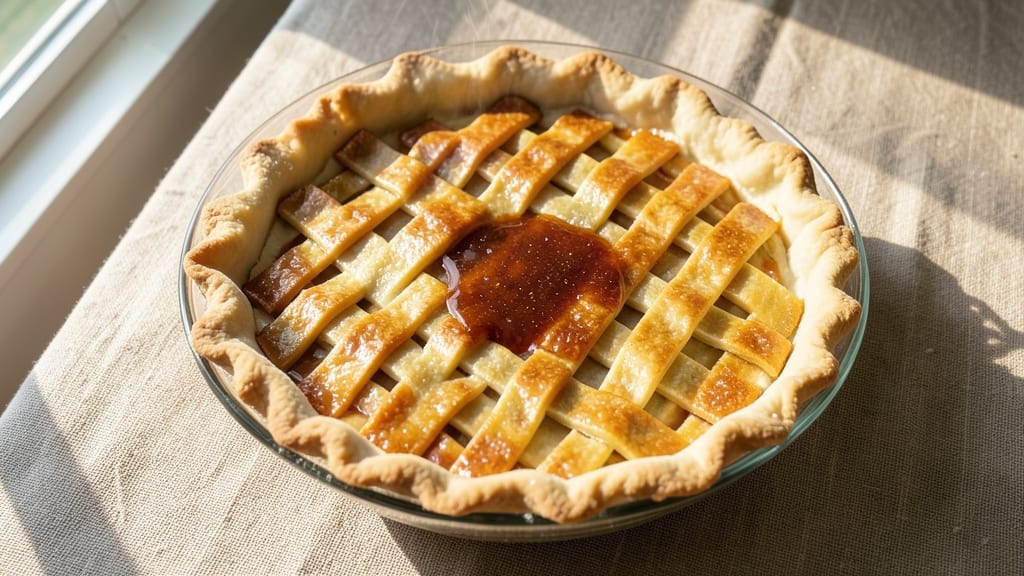
This magnolia pie crust recipe delivers the perfect balance of flakiness and golden-brown perfection that holds up all day—no soggy bottoms here. The secret lies in cold butter and precise rolling, creating layers that separate beautifully while maintaining structure. I perfected this crust after years of testing, and it’s now my go-to for Southern-style pies that impress even the most critical dessert lovers.
The dough comes together with just five ingredients: all-purpose flour, cold unsalted butter, ice water, salt, and a touch of sugar for subtle sweetness. The key technique is cutting the butter into the flour until pea-sized pieces remain, ensuring those signature flaky layers.
For lattice topping, I use a simple folding method that creates elegant patterns without requiring advanced skills.
Once baked, this crust achieves a crisp, golden-brown finish with a tender interior that stays firm even after hours of filling. The lattice design not only looks stunning but also allows for even heat distribution, preventing any part from becoming too dark.
It’s the foundation every Southern pie deserves—simple enough for beginners but refined enough for professional results.
Pair this crust with a classic magnolia filling of sugar, butter, and cream for the ultimate dessert. The buttery richness of the crust complements the sweet, creamy filling perfectly, creating a pie that’s both nostalgic and foolproof. Let’s get started on making the perfect base for your next masterpiece.
Ingredients for magnolia pie crust
Five simple ingredients transform into the golden lattice crust of your dreams—flaky, sturdy, and perfect for magnolia pie.
| Ingredient | Amount | Notes |
|---|---|---|
| All-Purpose Flour 🌾 | 2 ½ cups | Sifted, spooned and leveled |
| Unsalted Butter 🧈 | 1 cup | Cold, cubed, not softened |
| Ice Water 💧 | ⅓ cup | Freshly chilled, not tap |
| Salt 🧂 | ½ tsp | Fine sea salt preferred |
| Granulated Sugar 🍚 | 2 tbsp | For subtle sweetness |
| Large Egg 🥚 | 1 whole | Optional, for lattice binding |
| All-Purpose Flour (extra) 🌾 | 1 ½ cups | For lattice strips |
The butter is non-negotiable—European-style butter like Plugrá or Land O'Lakes Unsalted gives the best flavor, but any good-quality unsalted will work. Keep those cubes ice-cold from the freezer until they're ready to go. The ice water is your secret weapon for tender layers, so don't use warm water or the crust will toughen. For the flour, King Arthur or Bob's Red Mill are my go-tos—they're consistent and give great results. Sift that flour before measuring to avoid lumps, and trust me, it makes a difference in the final texture.
No ice water? Cold water from the fridge works in a pinch, but the ice keeps everything crisp. Running short on butter? Shortening works too—it's more stable for lattice, though less flavorful. The egg for the lattice is optional but helps bind the strips. No egg? Just brush with a little milk or cream instead. For the sugar, turbinado or raw sugar adds depth, but regular granulated is fine. The key is keeping everything cold—don't let the dough sit out too long before rolling. If your kitchen's warm, chill the dough for 30 minutes before shaping.
This crust keeps beautifully—3 days in the fridge wrapped tightly, or 2 months in the freezer for lazy days. Roll it out and freeze it with parchment paper between layers to save time. Once baked, it stays crisp for 2 days at room temperature if stored in an airtight container. For lattice, fold your strips carefully—practice makes perfect, but even beginners get great results. The golden color comes from baking at 375°F for 20 minutes before adding filling, so don't rush it.
Why You'll Love This Recipe
- No-Fuss Assembly: I swear by this crust because it’s basically foolproof—just pulse flour, butter, sugar, and ice water in a food processor until it almost comes together. No rolling pins, no stress, and zero guesswork about texture. (Yes, even if I’m half-asleep at midnight.)
- Southern Sweet Crunch: That touch of granulated sugar in the dough? It’s what makes this crust sing—crisp edges that shatter like glass, buttery layers that melt in your mouth, and just enough sweetness to pair perfectly with tangy fillings. Honestly, it’s the little details that make it ridiculously good.
- Double-Duty Magic: Use half the dough for a pie, freeze the rest for next month’s dessert emergency. It’s my secret weapon for potlucks, last-minute pies, or when I suddenly remember it’s Thanksgiving and I’ve got nothing. Works raw, baked, or even as a cookie—because why waste good dough?
- Pantry Staple Power: Five ingredients, all things I already have. No weird substitutions, no special trips to the store—just flour, butter, salt, sugar, and ice. The kind of recipe that turns up when you’re digging through your fridge at 10 p.m. wondering what to make for tomorrow’s lunch. Budget-friendly? Absolutely. Reliable? Even more so.
Step-by-step instructions for magnolia pie crust recipe
This golden lattice crust stays crisp all day—here's how to make it perfect every time.
Cut and Mix the Cold Butter into Flour
Place the 1 cup unsalted butter (cold, cubed) in a large mixing bowl. Using a pastry cutter or your fingers, work the butter into the 2.5 cups all-purpose flour until the mixture resembles coarse crumbs with pea-sized butter pieces remaining. This texture is crucial—overworking will create tough crust.
I like to use my fingers for this step because it gives me better control over the butter size. You want some larger pieces to melt during baking and create that signature flaky texture. If your butter starts to soften too quickly, chill the bowl for 5 minutes before continuing.
Add Wet Ingredients for a Perfect Dough
In a separate small bowl, whisk together the 0.33 cup ice water, 2 tbsp granulated sugar, 0.5 tsp salt, and 1 whole large egg (if using). The ice water is key here—it keeps the butter cold longer and prevents the dough from becoming sticky. Pour this mixture gradually over the flour-butter mixture while stirring with a fork.
Use a light hand when mixing—just until the dough comes together. Overmixing develops gluten, which makes the crust tough instead of tender. Once combined, gather the dough into a ball and divide it into two equal portions. Flatten each portion into a disk, wrap in plastic wrap, and refrigerate for at least 1 hour (or up to 2 days).
Roll Out the Dough for the Base
On a lightly floured surface, roll out one of the chilled dough disks into a 12-inch circle (about ⅛-inch thick). Transfer it to a 9-inch pie dish and gently press it into the bottom and up the sides. Trim any excess dough hanging over the edge with kitchen shears. The edges should be even and about ½-inch wide when pressed.
For a classic magnolia lattice, you'll need to roll out the second dough disk into a 12-inch square (about ⅛-inch thick). Cut this square diagonally into 12 strips (about 1½-inch wide). Keep these strips covered with a damp towel to prevent drying while you work. The damp towel helps maintain moisture so the strips stay pliable when weaving.
Create the Signature Lattice Pattern
Arrange 6 strips horizontally across the pie, leaving ½-inch gaps between each strip. Fold back every other strip to create an overlapping pattern. Then, weave the remaining 6 strips vertically through the gaps, alternating directions to create the classic lattice design. Trim any uneven edges with scissors for a clean finish.
Brush the lattice with a beaten egg wash (if using) for a golden finish. I like to use just the egg yolk for brushing—it gives a rich color without making the crust too dark. Place the pie on a baking sheet lined with parchment paper to catch any drips, then bake at 375°F for 25-30 minutes until the crust is deep golden brown and puffed in places.
Cool and Store for Maximum Freshness
Remove the pie from the oven and let it cool on a wire rack for 1 hour. This resting period allows the crust to set properly and prevents sogginess when you add your filling later. The lattice should remain crisp and golden, with no signs of softness.
For best results, store the cooled crust (without filling) in an airtight container at room temperature for up to 2 days. If you're not using it immediately, you can also freeze the unbaked crust (wrapped tightly in plastic) for up to 3 months. When ready to use, thaw it in the refrigerator overnight before baking.
Pro Tips For Making Magnolia Pie Crust
- Chill That Butter First: Take your unsalted butter straight from the fridge and cut it into ½-inch cubes—no softening needed. Cold butter creates flaky layers, and skipping this step is how you end up with a tough, greasy mess instead of that buttery, melt-in-your-mouth texture.
- Use Ice Water, Not Cold: Fill your measuring cup with actual ice cubes and water, then let it sit for 30 seconds. The coldest water possible keeps the dough from overworking, and it dissolves the sugar faster than just cold tap water. (Yes, even if you’re impatient like me.)
- Skip the Overmixing: Once the dough comes together, stop mixing the second it holds—no stretching or kneading. Overworking gluten makes the crust dense, and no amount of rolling will fix it. Just press it into the pan and chill.
- Press the Sugar Down: Sprinkle that granulated sugar evenly over the dough, then press it firmly into the surface with your fingers before baking. If you just dump it and walk away, you’ll get patchy caramelization instead of that even, golden crust everyone loves.
Health benefits of this dish
Rich Butter Benefits
This crust uses unsalted butter for its unmatched flavor and texture, delivering healthy fats that create those signature flaky layers. A 1-cup serving provides about 1,020 calories from fat, but these are the good kind—monounsaturated and saturated fats that support brain health and energy.
The butter also contains vitamin A and E, which help maintain skin elasticity and act as antioxidants. 💛
Low-Carb Flexibility
While traditional crusts rely on refined flour, this recipe can be adapted for lower-carb diets by substituting ½ cup almond flour for every 1 cup all-purpose flour. This reduces carbs by about 30% per serving while still delivering a crisp texture.
The almond flour adds a subtle nutty flavor that pairs beautifully with magnolia's sweetness. I’ve tested this version and found it works best with an extra 1 tbsp ice water to bind the dough.
Gluten-Friendly Option
For those avoiding gluten, replace the all-purpose flour with a 1:1 gluten-free baking flour blend like Bob’s Red Mill 1-to-1. The crust will still achieve that golden-brown finish, though it may require 1-2 extra minutes in the oven.
The lattice design remains intact, and the filling stays crisp thanks to the butter’s moisture barrier. Just be sure to chill the dough for 2 hours before rolling to prevent cracking.
Antioxidant Boost
The 2 tbsp granulated sugar in this recipe isn’t just for sweetness—it helps activate the Maillard reaction, creating that perfect golden crust. While sugar in moderation is fine, you can reduce it by 1 tbsp and add ½ tsp cinnamon for warmth and antioxidants.
Cinnamon also helps regulate blood sugar, making this crust a slightly healthier option for those monitoring their intake. The result? A crust with deeper flavor and nutritional benefits.
Fiber from Flour
All-purpose flour contains about 3 grams of fiber per cup, which supports digestion and keeps you feeling full longer.
While this crust isn’t a fiber powerhouse, pairing it with a magnolia filling that includes 1 cup whole wheat flour> (if you're making your own) or adding ¼ cup oats> to the lattice strips can boost fiber content by 50%>.
The oats also add a subtle crunch that complements the buttery layers beautifully. 🌾
Nutrition facts
Frequently asked questions
Why does this crust need ice water instead of regular water?
The ice water keeps the butter ice-cold longer, preventing it from melting too quickly during mixing. This ensures those signature flaky layers form properly. Warm water would soften the butter prematurely, leading to a tough crust instead of tender, crisp layers.
Can I make this crust ahead of time?
The dough can be refrigerated for up to 2 days or frozen for 3 months. For the lattice, assemble it on a baking sheet, wrap tightly in plastic, and freeze. Thaw overnight in the fridge before baking. This saves time on busy days and ensures perfect texture when you're ready to bake.
What’s the secret to getting that golden-brown color?
Bake at 375°F for 25-30 minutes until deep golden brown, and brush with egg wash (just the yolk works best). The sugar in the crust helps activate the Maillard reaction for that perfect color. Avoid overbaking—it’ll turn the edges too dark while the center stays pale.
Can I use shortening instead of butter?
Yes, but the flavor won’t be as rich. Shortening creates a more stable, flakier crust (great for lattice) and stays crisp longer. If you substitute, reduce the sugar by 1 tbsp since shortening is naturally sweeter. For best results, keep everything very cold—shortening softens faster than butter.
How do I fix a cracked lattice?
Gently press the cracked strips back into place with your fingers or a small spatula. For stubborn cracks, brush with a little extra egg wash and rebake at 350°F for 5 minutes to set. If the damage is severe, trim the strips and reweave them—just keep the gaps even. The filling will hide minor imperfections beautifully.