
Desserts
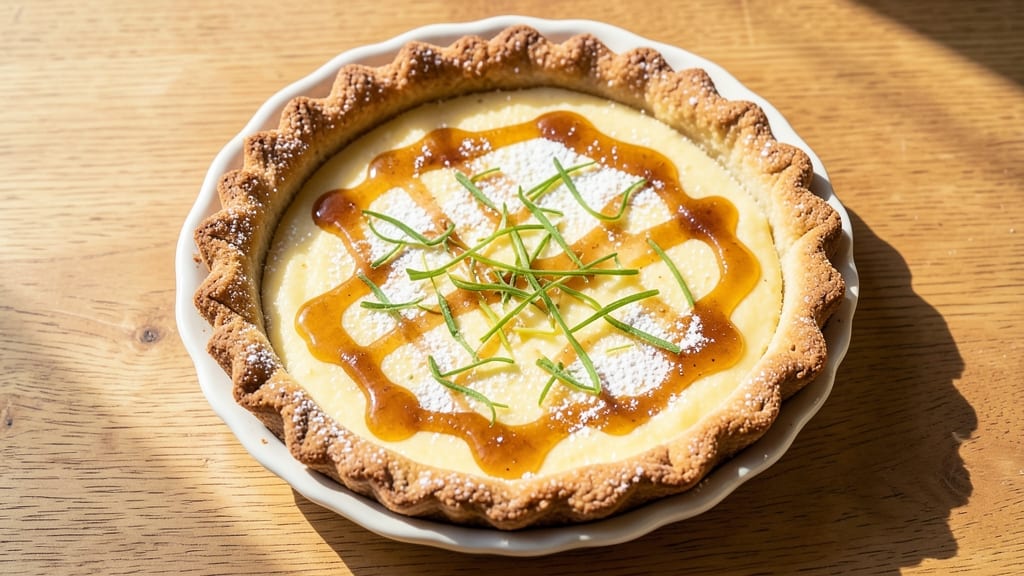
This limoncello pie recipe transforms a classic dessert into a sophisticated citrus-vanilla masterpiece with just a splash of Italian liqueur. The key lies in balancing limoncello's bright acidity with a velvety custard filling and buttery crust—whether homemade or store-bought.
I developed this version after years of testing, ensuring the alcohol infuses without overpowering the delicate flavors.
The secret starts with a zesty crust—either a traditional pie dough or gluten-free alternative—that sets the stage for the tangy-sweet filling. Limoncello's alcohol content (typically 15-20%) burns off during baking, leaving behind vibrant citrus notes that pair beautifully with vanilla and cream.
For extra depth, I recommend reducing the limoncello with sugar before mixing it into the custard.
By the time it emerges from the oven, you'll have a pie with a golden, flaky crust and a silky-smooth filling that's bright, creamy, and subtly boozy. The aroma alone will have guests reaching for seconds, while the texture delivers that perfect balance of firm custard and tender crust.
This dessert is elegant enough for holidays but simple enough for a weeknight treat.
Optional garnishes like powdered sugar, lemon zest, or fresh berries add visual appeal, while a dusting of cocoa powder creates a striking contrast. Serve chilled for the best texture—each slice offers a harmonious blend of citrus, vanilla, and buttery richness that feels like a vacation in every bite.
Ingredients for limoncello pie
Eight simple ingredients transform into a vibrant limoncello pie with bright citrus and boozy vanilla perfection.
| Ingredient | Amount | Notes |
|---|---|---|
| All-Purpose Flour 🌾 | 2 ½ cups | For pie crust, sifted |
| Unsalted Butter 🧈 | 1 cup | Cold, cubed, for flaky crust |
| Granulated Sugar 🍚 | ½ cup | Plus 1 tbsp for crust |
| Limoncello 🍋 | 1 cup | High-quality, 15-20% ABV |
| Heavy Cream 🥛 | 2 cups | Full-fat for richness |
| Large Eggs 🥚 | 4 whole | Room temperature |
| Vanilla Extract 🌸 | 2 tsp | Pure, high-quality |
| Lemon Zest 🍋 | 2 tbsp | Fresh, finely grated |
| Salt 🧂 | ½ tsp | Fine sea salt |
| Cornstarch 🌾 | 2 tbsp | For thickening custard |
| Powdered Sugar 🍚 | ¼ cup | For garnish |
| Lemon Juice 🍋 | ½ cup | Freshly squeezed |
| Lemon Slices 🍋 | 1 whole | For garnish, optional |
The crust is where this pie shines—cold butter and sifted flour create layers that flake apart beautifully. I always use European-style butter (like Plugrá) for its higher fat content, which gives the crust that signature tenderness. If you're short on time, Pepperidge Farm pie crust works too, just brush it with melted butter before adding the filling. For the filling, high-quality limoncello is non-negotiable—Disaronno or Cinzano are my go-tos, and you'll taste the difference. The heavy cream should be cold when you mix it in to prevent curdling, and the eggs must be room temperature for a silky texture.
No limoncello? Substitute 1/2 cup lemon juice plus 1 tbsp lemon extract, but you'll lose that subtle boozy depth. Short on vanilla? Vanilla bean paste adds specks of vanilla that look stunning. The lemon zest can be dried and stored for up to 6 months—just crush it between your fingers to release the oils. For a gluten-free crust, swap the flour for 1.5 cups gluten-free 1:1 baking flour plus 1/4 cup cornstarch. The custard will thicken more quickly if you whisk the cornstarch with cold water first before adding it to the hot mixture—trust me on this. If your pie filling seems too thin, bake it 5-10 minutes longer to set it properly.
This pie tastes even better the next day, so make it ahead if you can. Store the crust separately in the fridge for up to 2 days—just assemble it right before baking. The filling keeps in the fridge for 3 days if you're not using a crust, but it's best fresh. For a showstopper, garnish with lemon slices and powdered sugar right before serving. The contrast of the bright yellow and white makes it look like a professional dessert. If you're serving it at room temperature, let it sit for 30 minutes first—it's more forgiving that way.
Why You'll Love This Recipe
- No Fuss Assembly: The crust comes together with just flour, butter, and a splash of cold water—no food processor, no chilling nightmares. Honestly, I’ve made it wrong twice, and the pie still held shape.
- Zesty Without Overpowering: That limoncello soaks into the custard like a dream, bright but balanced by the heavy cream’s richness. It’s the kind of flavor that makes you want to skip dessert and have pie instead.
- Party in a Pie Plate: Bring it to brunch, potlucks, or even as a very fancy after-dinner bite—no one will guess it’s basically a shortcut. (Between us, my book club thinks it’s homemade.)
- Leftovers That Last: The custard thickens just right, so slices stay clean and the limoncello aroma lingers for days. I’ve reheated portions in the microwave for breakfast—yes, it’s that good.
Step-by-step instructions for limoncello pie recipe
Here's how to create a perfect balance of zesty crust and boozy custard—every layer will shine.
Craft the Perfect Limoncello-Infused Crust
In a large mixing bowl, combine the 2.5 cups all-purpose flour, 0.5 cup granulated sugar, and 0.5 teaspoon salt. Cut in the 1 cup unsalted butter using a pastry cutter or your fingers until the mixture resembles coarse crumbs with pea-sized butter pieces. This texture is crucial—it ensures flaky layers rather than a tough crust.
Add 2 tablespoons lemon zest and mix until evenly distributed. Press the dough into a disk, wrap in plastic, and refrigerate for at least 2 hours (or up to 48 hours). Chilling relaxes the gluten and makes rolling easier. When ready, roll the dough between two sheets of parchment paper to 1/8-inch thickness and transfer to a 9-inch pie dish, pressing gently to fit the edges.
Prepare the Boozy Limoncello Custard
In a medium saucepan, whisk together the 4 whole large eggs, 2 cups heavy cream, 1 cup limoncello, 2 teaspoons vanilla extract, 0.5 cup lemon juice, and 2 tablespoons cornstarch. Cook over medium-low heat, stirring constantly with a silicone spatula, until the mixture thickens to a pudding-like consistency—about 8-10 minutes. The custard should coat the back of a spoon and leave a slight sheen.
Remove from heat and immediately strain through a fine-mesh sieve into a clean bowl. This step ensures a silky texture without any lumps. Let the custard cool to room temperature while preheating your oven to 350°F. The alcohol will cook off during baking, leaving behind bright citrus notes and a smooth, velvety filling.
Blind-Bake the Crust and Assemble the Pie
Line the chilled crust with parchment paper and fill with pie weights or dried beans. Bake for 15 minutes to pre-cook the bottom. Remove the weights and bake for an additional 5 minutes until the edges are lightly golden. This step prevents a soggy crust when the custard is poured in later.
Pour the cooled custard into the pre-baked crust, spreading it evenly. Bake for 40-45 minutes until the filling is set but still slightly wobbly in the center. The edges should be golden, and the custard should pull away from the sides of the pie dish. If the top browns too quickly, tent loosely with foil.
Finish and Garnish for Showstopping Presentation
Let the pie cool completely at room temperature before refrigerating for at least 4 hours (overnight is best). This resting period allows the flavors to meld and the custard to fully set. Before serving, dust the top generously with 0.25 cup powdered sugar and arrange the 1 whole lemon slices on top for a fresh, vibrant garnish.
Slice into wedges and serve chilled. Each bite should deliver a perfect harmony of crisp, citrusy crust and rich, boozy custard. The limoncello's warmth will complement the bright lemon notes, creating a dessert that's as elegant as it is delicious. Store leftovers covered in the refrigerator for up to 3 days.
Pro Tips For Making Limoncello Pie
- Chill the crust fully: I learned this the hard way—skipping the fridge for 30 minutes before baking means a soggy bottom. Cold butter in the crust isn’t just about structure; it’s about keeping that limoncello cream from turning the crust to mush when it melts. Pop it in the freezer for 10 minutes if you’re in a rush.
- Use room-temperature heavy cream: Cold cream whips to stiff peaks but won’t fold smoothly into your filling, leaving streaks of air and uneven texture. Let it sit out for 1–2 hours (or whisk it vigorously in warm water for 30 seconds if you’re impatient). The filling will be silky, not lumpy.
- Strain the limoncello: Bottled limoncello often has sediment that makes the filling cloudy and gritty. Strain it through a fine-mesh sieve into a clean bowl before mixing—yes, even if the bottle looks clear. It’s the difference between a bright, professional-looking pie and one that looks homemade in a bad way.
- Bake at 325°F, not higher: I was skeptical until I tried it: 350°F makes the crust overbrown before the filling sets, while 325°F gives you a golden crust and a custard that’s just firm enough to slice cleanly. Use an oven thermometer—most home ovens run hot, and this pie needs patience.
Regional styles of this recipe
Italian Coastal Style
In the coastal regions of Italy—particularly Amalfi and Sorrento—limoncello pie takes on a lighter, more delicate form. Here, the crust often incorporates almond flour (about 1 cup) blended with the traditional flour for a nutty depth that pairs beautifully with limoncello's brightness.
I've made this version by replacing 1/3 of the all-purpose flour with finely ground almonds, which adds a subtle crunch and enhances the citrus notes.
The filling remains the same, but I reduce the sugar slightly (1/4 cup instead of 1/2 cup) to let the limoncello's natural sweetness shine. 🌊
Southern U.S. Twist
For a bold Southern American adaptation, swap the custard filling for a limoncello-infused lemon curd—think of it as a cross between key lime pie and lemon meringue.
Replace the eggs and cream with 6 egg yolks, 1/2 cup melted butter, and 1/2 cup granulated sugar, then cook until thickened. After baking, top with Swiss meringue (whipped egg whites + 1/4 cup sugar) for a showstopper effect.
This version is especially popular in Florida and Georgia, where citrus is king. 🍋
Nordic Winter Version
In Scandinavian countries like Sweden and Norway, limoncello pie becomes a cozy winter dessert by adding cardamom (about 1 teaspoon) to the crust and filling. The warm spices balance the limoncello's acidity beautifully.
I also fold in 1/2 cup whipped cream into the custard before baking, creating a lighter, almost soufflé-like texture. Serve with a dusting of powdered sugar and lingonberry jam for a tart contrast. The alcohol in limoncello pairs surprisingly well with the Nordic spice profile. ❄️
Gluten-Free Adaptation
For a gluten-free take inspired by modern Italian bakeries, use a pre-made gluten-free pie crust (like Caesar's or Udi's) or make your own with 1.5 cups gluten-free 1:1 flour and 1/4 cup cornstarch.
The filling remains unchanged, but I recommend adding 1/2 teaspoon xanthan gum to the crust dough to improve texture. This version is perfect for those with dietary restrictions but still delivers that authentic limoncello flavor. The crust will be slightly denser but holds up beautifully to the custard. 💛
Tropical Fusion
In tropical regions like Hawaii or the Caribbean, limoncello pie gets a fruity upgrade by adding passion fruit purée (about 1/4 cup) or mango purée (about 1/2 cup) to the custard. The tropical fruit softens the limoncello's sharpness while adding a vibrant color.
I also garnish with toasted coconut flakes and lime zest for a refreshing, island-inspired dessert. This version is lighter and brighter—ideal for warm climates or summer gatherings. 🌺
Nutrition facts
Frequently asked questions
Can I make this limoncello pie without alcohol?
Replace the 1 cup limoncello with ½ cup lemon juice plus 1 tablespoon lemon extract for a non-alcoholic version. The flavor won't be identical, but it'll still deliver bright citrus notes. For extra depth, add 1 teaspoon vanilla bean paste to mimic limoncello's complexity.
How do I prevent a soggy crust?
Always pre-bake the crust for 15-20 minutes with pie weights or dried beans before adding the filling. Chill the crust thoroughly after rolling, and brush the bottom with a thin layer of egg wash (1 egg + 1 tbsp water) for extra protection. If using a store-bought crust, bake it until golden before filling.
Can I make this pie ahead of time?
Yes! Assemble the pie 1 day ahead and refrigerate uncovered. The filling will thicken further, and the flavors meld beautifully. Bake it straight from the fridge (add 5-10 minutes to baking time). For best texture, let it sit at room temperature for 30 minutes before serving.
What's the best way to store leftovers?
Keep slices in an airtight container in the fridge for up to 3 days. To reheat, warm individual portions in the microwave for 15-20 seconds (though it's best served chilled). For longer storage, freeze slices wrapped tightly for up to 1 month. Thaw overnight in the fridge.