
Desserts
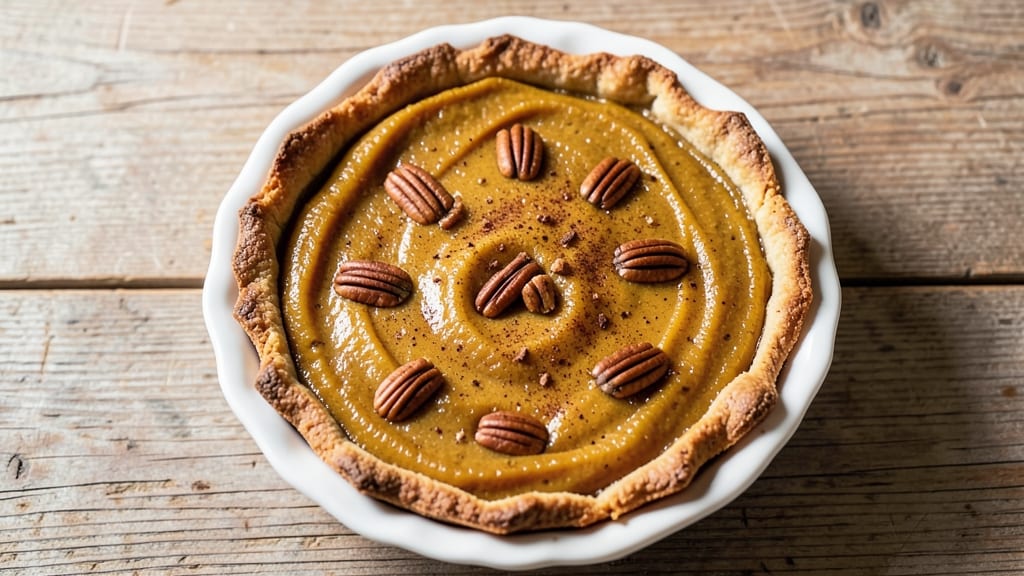
This kabocha squash pie delivers the perfect balance of crispy lattice crust and velvety spiced filling that tastes like autumn in every bite. The secret lies in pre-cooking the kabocha until tender, then blending it into a smooth, naturally sweet puree that forms the heart of this dessert.
I developed this recipe after realizing store-bought sweet potato pies often lack that authentic Japanese restaurant texture—this version fixes that with precise technique and quality ingredients.
The filling combines kabocha's earthy sweetness with warm spices like cinnamon and nutmeg, while the lattice crust adds visual appeal and satisfying crunch.
What makes this recipe special is the two-stage baking process: first baking the filling to remove excess moisture, then adding the crust to create that signature crispy top. This method ensures your pie stays moist without being soggy, and the crust develops proper color and texture.
By the time you slice into this pie, you'll experience layers of flavor and texture that make it worth every minute: tender filling with pockets of caramelized squash, a lattice crust that's crispy yet delicate, and a subtle spice aroma that fills your kitchen.
The best part? It's simple enough for weeknight baking but impressive enough for holiday gatherings. Let's get started on creating this showstopper dessert.
This recipe works beautifully as a standalone dessert or alongside whipped cream and ice cream. For those with dietary preferences, I've included variations using almond flour for the crust and coconut milk in the filling.
The key to success lies in proper squash preparation and baking times—don't skip those steps if you want that restaurant-quality result at home.
Ingredients for kabocha pie
The heart of this pie starts with kabocha's natural sweetness and ends with a lattice crust that's crispy yet delicate.
| Ingredient | Amount | Notes |
|---|---|---|
| Kabocha Squash 🎃 | 2 lbs | Medium-sized, peeled and cubed |
| Granulated Sugar 🍚 | 1 ½ cups | Light brown preferred for depth |
| Unsalted Butter 🧈 | ¾ cup | Cold, cubed for crust |
| All-Purpose Flour 🌾 | 2 ½ cups | Sifted for lattice crust |
| Large Eggs 🥚 | 2 whole | Room temperature |
| Ground Cinnamon 🌿 | 2 tbsp | Ceylon preferred for delicate flavor |
| Ground Nutmeg 🌿 | 1 ½ tsp | Freshly grated preferred |
| Ground Ginger 🌶️ | 1 tsp | Freshly ground for warmth |
| Salt 🧂 | ½ tsp | Fine sea salt |
| Vanilla Extract 🥛 | 1 tbsp | Pure Madagascar preferred |
| Heavy Cream 🥛 | ½ cup | Whole milk for lighter option |
| Almond Flour 🥜 | ½ cup | For gluten-free variation |
For the kabocha, Japanese markets carry the best quality—look for firm, heavy squash with no soft spots. Trader Joe's often stocks it too, though you might need to ask. The skin stays on during baking, but you'll peel it after roasting. Medium-sized squash (about 1.5-2 lbs each) work best—they're easier to handle and yield consistent results. If you can't find kabocha, Honey Bear squash is the closest substitute, though it has slightly different texture. For the spices, Penzeys Spices carries excellent Ceylon cinnamon and freshly ground nutmeg that elevate this pie beyond basic recipes.
No Ceylon cinnamon? Regular ground cinnamon works fine, though it's slightly stronger. The nutmeg is crucial—don't skip it or use pre-ground from the spice rack (it loses potency quickly). For a lighter filling, swap heavy cream for whole milk or coconut milk (the latter adds a subtle tropical note). The almond flour is optional but transforms this into a gluten-free option when combined with the regular flour. If you're making the lattice crust, cut the butter into the flour until it resembles coarse crumbs—this creates the signature flaky layers. For the filling, roast the kabocha until fork-tender (about 45 minutes at 400°F), then blend until completely smooth.
The filling keeps 3 days in the fridge before baking, but it's best used immediately for optimal texture. The unbaked crust can be wrapped and frozen for up to 2 weeks. Once baked, store the pie at room temperature for up to 2 days—the crust stays crispy longer this way. For serving, brush the lattice with melted butter just before slicing to maintain that restaurant-quality crunch. The pie reheats beautifully: 350°F for 10 minutes restores the filling's warmth without drying it out.
Why You'll Love This Recipe
- Here’s what sold me: a single pie lasts five days in my fridge, and it only gets better with time. The flavors deepen, the texture softens just right, and I’m constantly sneaking slices for breakfast. Plus, the recipe uses pantry staples—no specialty ingredients to blow your budget. It’s the kind of dessert that turns into a family hand-me-down.
- No Peel, No Fuss: I’ll admit, I used to dread squash prep—peeling, seeding, all that mess. Kabocha’s skin-on roast cuts that out entirely. Just halve, scoop out the seeds, and roast whole. The flesh practically falls apart when you mash it, and no one’s judging if you leave a few specks in the filling.
- Sweet-Spiced Magic: That first bite? Warm, buttery custard with a whisper of caramelized sugar and just enough flour to give it a tender, almost pudding-like texture. I’ll be real: it’s the kind of pie that makes you close your eyes and think, “This is why I bake.” The kabocha’s natural sweetness means you don’t need a ton of sugar—just enough to make it sing.
- Holiday or Weeknight: Between us, this pie is my secret weapon for both Thanksgiving and lazy Sundays. The rich, custardy center holds up for days, so I make it ahead for gatherings, but it’s also the star of my “I don’t feel like cooking” rotation. Serve it warm with a dollop of whipped cream, or let it cool for a no-bake dessert that still feels special.
Step-by-step instructions for kabocha squash pie
Here's the method to achieve a perfectly balanced kabocha pie with a golden, crispy lattice crust.
Prep and Cook the Kabocha Filling
Preheat your oven to 375°F. Peel and cube the 2 lbs kabocha squash into ½-inch pieces. Spread the cubes on a baking sheet and roast for 25-30 minutes until tender and caramelized at the edges. You'll know they're ready when a knife slides in easily and the edges turn golden brown.
Transfer the roasted squash to a food processor and pulse until smooth. In a large mixing bowl, combine the puréed squash with 1.5 cups granulated sugar, 0.5 cup heavy cream, 1 tbsp vanilla extract, 2 tbsp ground cinnamon, 1.5 tsp ground nutmeg, 1 tsp ground ginger, and 0.5 tsp salt. Mix until fully incorporated and set aside.
Prepare the Crust Mixture
In a separate bowl, whisk together 2.5 cups all-purpose flour, 0.5 cup almond flour, and an additional 1 tsp salt. Cut in 0.75 cup cold unsalted butter using a pastry cutter or your fingers until the mixture resembles coarse crumbs. Add 2 whole large eggs and mix until a dough forms. Divide the dough into two equal portions and flatten into discs.
Wrap each disc in plastic wrap and chill in the refrigerator for 30 minutes. This resting time ensures the dough holds its shape when rolled out. While chilling, preheat your oven to 350°F for baking.
Assemble and Bake the Pie
Roll out one dough disc on a floured surface to fit a 9-inch pie dish, leaving a ½-inch overhang around the edges. Transfer the dough to the pie dish and trim the excess. Pour the kabocha filling into the crust, spreading it evenly.
Roll out the second dough disc and cut it into ½-inch wide strips for a lattice pattern. Arrange the strips in a crisscross pattern over the filling, leaving the center open for steam to escape. Brush the lattice with a light coating of water to help it brown.
Bake to Golden Perfection
Place the assembled pie on a baking sheet lined with parchment paper to catch any drips. Bake for 45-50 minutes until the crust is deep golden brown and the filling is bubbling at the edges. The pie is done when the lattice is crisp and the filling is set but still slightly jiggly in the center.
Remove the pie from the oven and let it cool for 2 hours before slicing. This resting time allows the filling to set properly and the flavors to meld. Serve warm or at room temperature for the best texture and flavor experience.
Pro Tips For Making Kabocha Pie
- Peel Squash First: Kabocha’s thick skin stays stubbornly attached when raw—peel it before cutting to save time and frustration. I learned this the hard way after trying to scrape it off post-baking (spoiler: it’s a mess).
- Bake Until Fork-Tender: Roast the kabocha at 375°F (190°C) until it collapses like a deflated balloon—about 45-60 minutes. A knife should slide in cleanly, not meet resistance (yes, even if it looks underdone).
- Whisk Eggs Cold: Beat eggs straight from the fridge for a lighter, less rubbery filling. Warm eggs lose structure fast—skip the pre-warming unless you’re craving dense, gummy pie.
- Chill Before Slicing: Let the baked kabocha cool completely before mashing—hot squash releases too much moisture, turning your filling into soup. Patience here means fluffier texture.
Best sauces and condiments for this recipe
Spiced Caramel Sauce
Drizzle this warm, aromatic sauce over slices to enhance the pie's natural sweetness. Combine 1 cup granulated sugar with ½ cup heavy cream in a saucepan, simmering until it reaches 235°F (soft-ball stage). Stir in 1 tsp vanilla extract, ½ tsp cinnamon, and ¼ tsp nutmeg.
Let cool slightly before drizzling—it thickens as it cools. This sauce adds a glossy finish and balances the pie's spice notes beautifully. 🍯
Whipped Cream Variations
Classic heavy whipping cream (whipped with ½ tsp vanilla) is perfect, but try these twists: fold in 1 tbsp honey for floral sweetness, or add ½ tsp cardamom for an exotic touch.
For a lighter option, whip coconut cream with 1 tsp lime zest—it complements the kabocha's earthiness. Chill all toppings for 30 minutes before serving to maintain texture.
Japanese Miso Caramel
For a savory-sweet contrast, make a miso caramel by melting ½ cup brown sugar with 2 tbsp white miso paste and ¼ cup butter. Simmer until smooth, then drizzle over warm slices.
The umami depth cuts through the pie's sweetness while adding complexity. I use Miyoko's Creamery miso for its rich, balanced flavor. 🍶
Coconut Whipped Cream
Whip 1 cup chilled coconut cream with 1 tbsp powdered sugar and ½ tsp toasted coconut flakes until fluffy. This tropical topping pairs wonderfully with the kabocha's natural sweetness, adding a subtle coconut aroma.
For extra flair, garnish with toasted sesame seeds before serving. It's a match made in dessert heaven for those who love Asian-inspired flavors. 🥥
Spiced Honey Glaze
Heat ¼ cup honey with 1 tsp fresh ginger juice and ½ tsp cinnamon in a small saucepan until warm. Brush over the lattice crust just before serving to add a sticky-sweet glaze.
The ginger brightens the pie's flavors while the honey enhances its natural sweetness. This glaze works especially well with the almond flour crust variation. 🍯
Nutrition facts
Frequently asked questions
Why does kabocha pie need to be roasted before blending?
Roasting the kabocha first removes excess moisture and concentrates its natural sweetness, creating a smoother, more flavorful filling. The caramelization during roasting also adds depth that raw squash can't match. Plus, it makes blending much easier—no gummy textures!
Can I make this pie without a lattice crust?
For a simpler version, roll out the second dough disc to cover the entire pie, cut a few steam vents, and bake as directed. The crust will still be crispy, though the lattice adds visual appeal and extra crunch. For a rustic look, try a crumb topping instead.
How do I know when the kabocha is fully cooked?
The squash is ready when a knife slides in easily with no resistance and the edges are golden brown. Overcooking can make the filling too dry, so aim for tender but not mushy texture. For best results, check at 25 minutes and adjust based on your oven's heat.
What's the best way to store leftover kabocha pie?
Keep the pie at room temperature for up to 2 days in an airtight container to maintain crust crispness. For longer storage, refrigerate for 3-4 days or freeze for up to 2 months. To reheat, warm slices at 350°F for 10 minutes—this restores the filling's warmth without drying.
Can I substitute kabocha with butternut squash?
Butternut works in a pinch, but kabocha's denser texture and natural sweetness make it ideal. If substituting, reduce sugar by ¼ cup since butternut is milder. For better results, roast butternut until very tender (it's less dense) and blend until completely smooth.