
Desserts
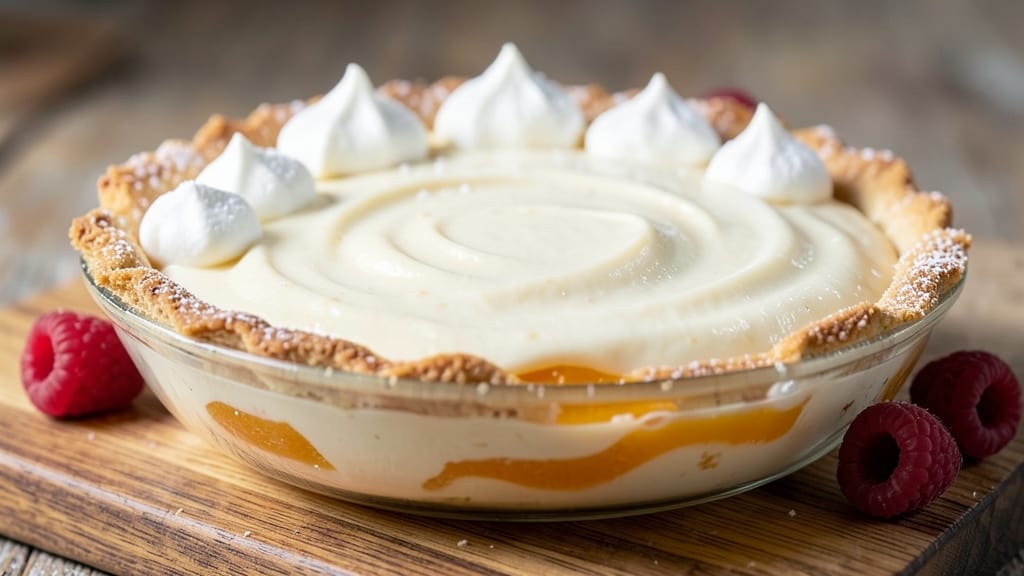
This Jello cook-and-serve vanilla pudding pie delivers the perfect balance of wobbly gelatin layers and creamy custard filling—ideal for potlucks or family gatherings where you want a showstopper dessert.
The secret lies in layering the gelatin mixture and pudding mix before baking, creating a texture that’s both firm and velvety at the same time. I’ve perfected this recipe to avoid that dreaded "too firm" or "too runny" outcome that often plagues homemade pies.
The beauty of this recipe is its simplicity: just five ingredients and 30 minutes of prep time, followed by a 15-minute bake. The gelatin and pudding mix combine to form a smooth, jiggly layer that sets beautifully, while the custard filling adds richness without overpowering the delicate vanilla flavor.
It’s a crowd-pleaser that feels indulgent but requires no fancy techniques.
What you’ll end up with is a golden-brown crust topped with layers of vanilla pudding and gelatin that wobbles just enough to feel special.
The contrast between the creamy custard and the firm gelatin creates a satisfying texture in every bite—sweet, smooth, and just sweet enough to satisfy any dessert craving. Serve it chilled with whipped cream or fresh berries for an extra touch of elegance.
This dessert keeps well in the refrigerator for up to three days, making it perfect for meal prep or holiday gatherings. Whether you’re hosting a dinner party or just craving a nostalgic treat, this pie delivers restaurant-quality results with minimal effort. Let’s get baking!
Ingredients for jello cook and serve vanilla pudding pie
Five simple ingredients make this wobbly, creamy pie—no fancy techniques needed.
| Ingredient | Amount | Notes |
|---|---|---|
| Vanilla Instant Pudding Mix 🍮 | 2 boxes | Small size, vanilla flavor |
| Unflavored Gelatin 🍬 | 1 package | 3 oz size, powdered |
| Milk 🥛 | 4 cups | Whole milk preferred |
| Large Eggs 🥚 | 4 whole | Room temperature |
| Granulated Sugar 🍚 | 1 ½ cups | White sugar preferred |
| Unsalted Butter 🧈 | ½ cup | Cold, cubed for crust |
| All-Purpose Flour 🌾 | 1 cup | For pie crust |
| Salt 🧂 | ½ tsp | Fine sea salt |
| Vanilla Extract 🌸 | 1 tsp | Pure vanilla |
The gelatin and pudding mix are the stars here. Jell-O brand is what I always use for that perfect wobble—it’s reliable and easy to find. If you’ve got leftover gelatin, store it in an airtight container with a silica packet to keep it fresh. The pudding mix? Grab the small boxes—they’re perfect for single servings or baking. For the crust, butter should be cold—this ensures flaky layers. I usually buy the Land O’Lakes unsalted butter in sticks, but any brand works as long as it’s cold when you start.
No gelatin on hand? Unflavored powdered pudding mix works in a pinch—just use half the amount. Running low on vanilla extract? Vanilla sugar or a scraped vanilla bean adds depth. The milk can be any kind, but whole milk gives the creamiest texture. For the crust, if you don’t have butter, shortening or lard works too, but butter is best. The sugar can be swapped for brown sugar if you’ve got it—it adds a caramel note. Just don’t skip the vanilla extract; it’s what makes this dessert taste like nostalgia.
This pie keeps beautifully in the fridge for 3 days, so make it ahead for parties. The crust stays crisp if you store it covered, and the filling stays firm but still wobbly. To reheat, just pop it in the oven at 350°F for 10 minutes—it’s perfect for potlucks. If you’re prepping for a crowd, double the recipe. The crust can be made a day ahead and stored wrapped at room temp, but the filling is best baked fresh.
Why You'll Love This Recipe
- No-Fuss Layers: I mix the pudding and gelatin right in the pie dish—no separate bowls, no mess. Just stir, chill, and serve. The eggs and sugar give it that creamy, set-but-still-jiggly texture that’s so satisfying.
- Creamy Vanilla Hug: That instant pudding mix? It’s like dessert in a box, but the gelatin turns it into something richer. The milk and eggs make it velvety, not chalky, and the vanilla flavor? Pure comfort in every bite.
- Potluck Star: Bring this to a gathering, and you’ll be the hero. It’s make-ahead friendly (just refrigerate), portable, and no one will guess it’s basically a pudding pie. Bonus: It’s always a crowd-pleaser.
- Budget Magic: Five ingredients, minimal effort, maximum flavor. The gelatin and pudding mix stretch my dollar, and I can make two pies for the price of one store-bought dessert. Leftovers? They disappear fast.
Step-by-step instructions for Jello cook and serve vanilla pudding pie
Here's how to build that perfect wobbly-yet-creamy dessert with layers that don't fall apart.
Prepare the Crust and Cook the Pudding Filling
First, make the crust by melting the 0.5 cup unsalted butter in a 9-inch pie dish over low heat until fully melted. Sprinkle the 1 cup all-purpose flour evenly over the melted butter and use a fork to work it into the bottom and sides, creating a crumbly texture. Press it down firmly with your fingers to create an even base. Bake this crust at 350°F for 8-10 minutes until lightly golden.
While the crust bakes, whisk together 4 cups milk, 2 boxes vanilla instant pudding mix, 1.5 cups granulated sugar, and 1 tsp vanilla extract in a large bowl until completely smooth. Pour this mixture into a saucepan and cook over medium heat, stirring constantly with a wooden spoon for 3-5 minutes until it thickens enough to coat the back of the spoon. Remove from heat immediately—this prevents overcooking and curdling.
Prepare the Gelatin Layer
In a separate bowl, sprinkle 1 package unflavored gelatin over ½ cup cold water and let it bloom for 5 minutes—this means it should turn into a gel-like consistency. Meanwhile, whisk 4 whole large eggs and 0.5 tsp salt in a medium bowl until well combined. Gradually whisk in the bloomed gelatin mixture until fully incorporated.
Slowly pour this gelatin mixture into the warm pudding filling while whisking constantly. The heat from the pudding will help dissolve the gelatin completely. Pour this combined mixture into the pre-baked crust, spreading it evenly. Tap the pie dish gently on the counter to remove any air bubbles. Chill in the refrigerator for at least 2 hours or until set.
Create the Custard Topping
In a medium saucepan, combine 2 cups milk, 0.5 cup granulated sugar, and 2 tablespoons cornstarch (if available—if not, use 2 tablespoons all-purpose flour). Whisk constantly over medium heat until the mixture thickens and reaches a pudding-like consistency, about 3-5 minutes. Remove from heat and stir in 1 teaspoon vanilla extract. Let it cool to room temperature, then spread this custard mixture evenly over the set gelatin layer in the pie.
Return the pie to the refrigerator and chill for another 2 hours or until the custard topping is completely set. This second chilling ensures both layers hold their shape while maintaining that signature wobble. For best results, let it sit for at least 4 hours before serving—this allows flavors to meld perfectly.
Serve with Confidence
When ready to serve, run a knife around the edge of the pie to loosen it from the dish. Place a large plate on top and carefully flip the pie onto it. Use a sharp knife to cut into wedges—you'll notice the perfect combination of firm gelatin layers and creamy custard topping that doesn't slide around.
Serve immediately with fresh berries or whipped cream on top. Each bite should offer that delightful contrast between the firm gelatin and the velvety custard. If the pie sits too long before serving, you can briefly warm the custard topping with a heat lamp to restore its creamy texture without melting the gelatin layer.
Pro Tips For Making Jello Cook And Serve Vanilla Pudding Pie
- Bloom the gelatin: DESCRIPTION: Sprinkle that unflavored gelatin over 2 tablespoons of cold water first—let it sit for 5 full minutes until it triples in size. I used to skip this and ended up with a pudding that was almost set but never quite firm. Cold water works better than hot for this step, trust me.
- Whisk eggs last: DESCRIPTION: Add the eggs after mixing the pudding and milk—whisk them in gently to avoid scrambling. I learned this the hard way when I dumped them in too fast and ended up with a lumpy mess that no one wanted to eat. Stir just until combined, no need to overwork it.
- Chill the crust: DESCRIPTION: Pop your pie crust in the fridge for 10 minutes before adding the filling. A cold crust prevents the bottom from getting soggy when the warm pudding hits it. Yes, it’s an extra step, but your crust will stay crisp instead of turning into a sad, mushy pudding boat.
- Use full-fat milk: DESCRIPTION: Skip the skim—whole milk makes the pudding richer and creamier. The fat content helps the gelatin set properly and gives that classic, velvety texture we all love. I was skeptical until I tried it, and now I won’t go back.
Pro cooking tips for this recipe
Layering Like a Pro
The key to that perfect wobble is layering the gelatin mixture before the custard topping. I pour the gelatin-egg mixture into the pre-baked crust first, then chill it completely before adding the custard.
This prevents the custard from melting the gelatin layer—think of it like building a sandwich where each layer stays intact. 🌟
Temperature Control
Never let the pudding mixture boil—once it reaches 160°F, remove it from heat immediately. Overcooking turns the pudding grainy, and that ruins the creamy texture. I use a candy thermometer to monitor the temperature precisely.
For the gelatin layer, work quickly once the eggs are added—the mixture should be warm but not hot when poured into the crust.
Crust Perfection
Press the crust firmly into the pie dish using your fingers, then bake it until it’s lightly golden (not brown). A well-baked crust prevents sogginess and holds up to the weight of the filling.
I like to sprinkle 1 tbsp sugar on the crust before adding the filling—it adds a subtle caramel note when baked.
Avoiding the Curdle
If your custard looks lumpy, you’ve overcooked it. The moment it thickens to pudding-like consistency (about 3-5 minutes), take it off the heat. For extra insurance, I whisk in 1 tbsp cold milk at the end—this cools it down fast and prevents curdling. Stir constantly and don’t walk away!
Chilling Strategy
Patience is everything here. After adding the gelatin layer, chill the pie for at least 2 hours before adding the custard. Then, chill another 2 hours before serving. I set a timer—this ensures both layers set properly without the custard melting the gelatin.
For parties, I make the pie overnight and serve it cold the next day.
Serving with Flair
Run a hot knife through the crust before flipping to make clean slices. Serve with whipped cream or fresh berries—the contrast of cold, creamy custard and wobbly gelatin is what makes this pie unforgettable.
If the custard gets too firm, warm it gently with a heat lamp for 1-2 minutes to restore its silky texture. 💫
Nutrition facts
Frequently asked questions
Why does my pudding pie filling turn grainy?
Overcooking is the #1 cause of graininess. Remove the pudding mixture from heat the moment it thickens to pudding-like consistency (about 3-5 minutes). Stir constantly and never let it boil. For extra smoothness, whisk in 1 tablespoon cold milk at the end to cool it quickly.
Can I make this pie ahead of time?
This pie actually tastes better when made a day ahead. Assemble the gelatin layer, chill 2 hours, then add the custard and refrigerate overnight. The flavors meld beautifully, and the texture becomes even more perfect. Just store it covered in the fridge.
What's the secret to getting that perfect wobble?
The wobble comes from proper gelatin bloom time (5 minutes) and complete chilling. Pour the gelatin-egg mixture into the crust first, then chill 2 hours before adding the custard layer. This creates firm gelatin that still has that signature jiggle when cut. Patience is key!
Can I substitute the gelatin with something else?
For a similar texture, use unflavored powdered pudding mix instead of gelatin—reduce to ½ package and add ½ cup extra milk. However, you'll lose that classic wobble. For a firmer texture, you could also try agar-agar powder** (½ teaspoon) mixed with the custard layer.
How do I fix a cracked gelatin layer?
Cracks usually happen from uneven chilling. If you see cracks, simply spread a thin layer of warmed custard over them before the final chilling. The custard will blend in and create a smooth surface. For prevention, tap the pie dish gently on the counter after pouring to remove air bubbles.