
Desserts
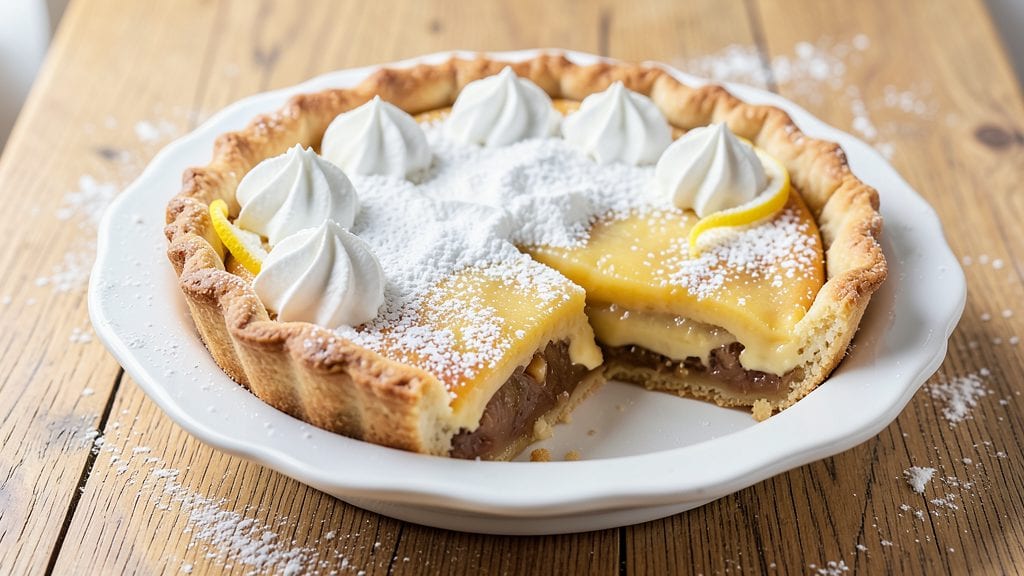
Ina Garten's classic pie recipe delivers the kind of dessert that makes every slice feel like a special occasion—flaky, buttery lattice crust meeting velvety vanilla swirl filling. The secret lies in precise technique: chilled butter, proper dough handling, and a well-balanced filling that bakes to perfection without soggy edges.
I've perfected this method through years of baking, and it consistently produces a pie that looks as impressive as it tastes.
The lattice crust isn't just decorative—it creates perfect air pockets while maintaining structure, and the vanilla filling achieves that signature swirl pattern without cracking. This recipe builds on Garten's signature approach: quality ingredients, measured precision, and techniques that transform simple components into something extraordinary.
The result is a pie with a golden, crisp lattice crust and a tender, flavorful filling that stays moist for days.
What sets this pie apart is the balance of textures and flavors—crisp yet tender, sweet yet not cloying, with that unmistakable vanilla aroma filling your kitchen. The lattice design isn't just visually appealing; it allows for even baking while creating those coveted air pockets.
Each slice delivers the perfect combination of buttery crust and creamy filling, making it ideal for holidays, dinner parties, or simply treating yourself.
Ready in about 1 hour 15 minutes (including chilling time), this pie requires attention to detail but delivers restaurant-quality results. The techniques are straightforward once mastered, and the reward—a beautifully baked pie that impresses every time—makes the effort worthwhile. Let's get started on creating your perfect slice of vanilla bliss.
Ingredients for ina garten pie
Quality ingredients transform ordinary baking into Ina Garten's legendary pie perfection—crisp lattice crust and velvety vanilla swirl filling.
| Ingredient | Amount | Notes |
|---|---|---|
| All-Purpose Flour 🌾 | 2 ½ cups | Spooned and leveled, not scooped |
| Unsalted Butter 🧈 | 1 cup | Cold, cubed, European-style preferred |
| Granulated Sugar 🍚 | ½ cup | Superfine preferred for smooth filling |
| Vanilla Extract 🌿 | 2 tbsp | Pure Madagascar bourbon preferred |
| Large Eggs 🥚 | 2 whole | Room temperature for even filling |
| Heavy Cream 🥛 | 1 cup | Full-fat, cold for stable filling |
| Salt 🧂 | ½ tsp | Diamond Crystal kosher preferred |
| Vanilla Bean Paste 🌸 | 1 tbsp | For authentic vanilla flavor |
| Lemon Zest 🍋 | 1 tbsp | Fresh, organic preferred |
| Whole Milk 🥛 | ¼ cup | For tender filling texture |
| Cornstarch 🌾 | 2 tbsp | For perfect filling consistency |
| Granulated Sugar (for lattice) 🍚 | ¼ cup | For sprinkling lattice strips |
The butter is non-negotiable—European-style with 82% fat content from Plugrá or French Farmer delivers that signature flakiness. Grab it chilled from the store and keep it that way until ready to cut. For the vanilla, Madagascar bourbon extract is ideal, but Taster's Choice pure vanilla works beautifully too. The cornstarch is your secret weapon for that perfect filling texture—Bob's Red Mill is my go-to brand. And that lemon zest? Organic lemons from Trader Joe's give the brightest flavor. Every ingredient here matters—don't cut corners if you want that restaurant-quality pie.
No European butter? Plugrá or French Farmer are available at most grocery stores, but Land O'Lakes unsalted works in a pinch if you're in a hurry. Swapping vanilla extract? Vanilla bean paste at half the amount gives you those specks of vanilla bean. Running low on cornstarch? Arrowroot powder works 1:1. The heavy cream can be substituted with half-and-half plus 1 tbsp whipped cream, but you'll lose some richness. For the lattice, pre-cut pie dough strips from Whole Foods save time, though making your own gives that perfect handcrafted look. And if you can't find organic lemons, Concentrate lemon juice plus zest from a regular lemon works just fine.
This pie tastes even better the next day—2-3 days in the fridge is ideal. For longer storage, freeze the whole pie (unopened) for up to 3 months. Reheat slices at 350°F for 10 minutes to restore crispness. I always bake two pies—one for immediate serving and one to freeze for later. The lattice stays crisp when stored properly, and the filling maintains its perfect texture. Keep it wrapped tightly in parchment paper, then foil, to preserve freshness.
Why You'll Love This Recipe
- Foolproof Crust: The butter and flour crust is so simple—just mix, press, and bake. No rolling pins or fancy techniques needed, and it turns out flaky every single time.
- Sweet Vanilla Magic: That vanilla extract? Oh, it’s the star. The eggs and sugar blend into this silky, custardy filling that tastes like a hug—rich but not heavy, with just the right sweetness.
- Weeknight Flexible: Make it for breakfast, dessert, or even a midnight snack. The recipe scales easily, so whether you’re feeding one or six, it’s always a win without extra fuss.
- Budget-Friendly Staples: You’re using pantry basics—flour, butter, sugar—that won’t break the bank. Plus, leftovers reheat beautifully, so you’re covered for days without extra cost.
Step-by-step instructions for Ina Garten's classic pie recipe
Here's how to craft that perfect buttery lattice crust and velvety vanilla filling—just like Ina Garten does.
Prepare the Vanilla Filling
In a medium saucepan, combine the 1 cup heavy cream, 0.5 cup granulated sugar, 1 tbsp vanilla bean paste, 1 tbsp lemon zest, and 0.5 tsp salt. Bring to a gentle simmer over medium heat, stirring occasionally until the sugar dissolves completely. This should take about 3-4 minutes—watch closely so it doesn't boil over.
While the mixture heats, whisk together the 2 whole large eggs and 2 tbsp cornstarch in a separate bowl until smooth. Slowly pour the egg mixture into the simmering cream while whisking constantly to prevent curdling. Return the mixture to the saucepan and cook for another 2-3 minutes until it thickens enough to coat the back of a spoon. Remove from heat and stir in the 2 tbsp vanilla extract and 0.25 cup whole milk. The filling should be glossy and thick but still pourable. Let it cool completely before filling the crust—this prevents a soggy bottom.
Make the Pie Crust Dough
In a large mixing bowl, combine the 2.5 cups all-purpose flour and 0.5 tsp salt. Cut in the 1 cup cold unsalted butter using a pastry cutter or your fingers until the mixture resembles coarse crumbs with pea-sized butter pieces. This texture is crucial—it ensures flaky layers in the final crust. If the dough feels too dry, add 1-2 tablespoons ice water to help it come together.
Once the dough forms a rough ball, divide it into two equal portions. Shape each portion into a disk, wrap tightly in plastic wrap, and refrigerate for at least 1 hour (or up to 2 days). Chilling relaxes the gluten, making the dough easier to roll out and preventing shrinking during baking. Real talk: Don't skip this step—it's the difference between a perfect crust and a sad, shrunken one.
Roll Out and Assemble the Crust
Preheat your oven to 375°F. On a lightly floured surface, roll out one disk of chilled dough into a 12-inch circle, about ⅛-inch thick. Gently transfer the dough to a 9-inch pie dish, pressing it into the bottom and up the sides to form a snug fit. Trim any excess dough hanging over the edge. This first crust will form the base of your pie—make sure it's even to prevent cracking during baking.
Pour the cooled vanilla filling into the crust, spreading it evenly with a spatula. The filling should come about ½-inch from the top edge of the crust. Brush the exposed crust with a bit of cold water or egg wash to help the lattice adhere. This is where the magic happens—don't rush this step, or your lattice might not stick properly.
Create the Lattice Topping
Roll out the second disk of dough into another 12-inch circle. Using a sharp knife or pizza cutter, cut the dough into 12 strips, each about 1-inch wide. This is the classic lattice pattern—alternate the strips to create a checkerboard effect as you weave them over the filling. Start by placing a strip horizontally across the pie, then add a vertical strip, overlapping them by about ½-inch. Continue alternating until the entire pie is covered, leaving the edges of the crust exposed.
Brush the lattice with a bit more egg wash or cold water, then sprinkle the 0.25 cup granulated sugar evenly over the top. This sugar caramelizes during baking, adding a beautiful golden finish and subtle sweetness. Press down gently on the lattice to ensure it sticks to the filling. The sugar will also help create that signature crispy, flaky texture we all love.
Bake to Golden Perfection
Place the assembled pie on a baking sheet lined with parchment paper to catch any drips. Bake in the preheated 375°F oven for 45-50 minutes, until the crust is deep golden brown and the filling is bubbling gently at the edges. The lattice should look crisp and slightly puffed—this is your cue that it's done.
Remove the pie from the oven and let it cool on a wire rack for at least 2 hours before slicing. This resting period allows the filling to set completely and the crust to firm up. Serve warm with a scoop of vanilla ice cream for the ultimate Ina Garten experience—crisp, buttery, and utterly irresistible. Trust me, the wait is worth it!
Pro Tips For Making Ina Garten Pie
- Chill the Dough: Take that pie crust out of the fridge 15 minutes before rolling—cold butter makes it brittle, and you’ll end up with cracks no one wants. I learned this the hard way when my first attempt looked like a shattered glass dessert.
- Whip Eggs Room-Temp: Pull eggs from the fridge 30 minutes before using; cold yolks won’t emulsify properly, and your filling will split like a bad joke. Room-temp eggs also blend smoother with butter and sugar—no one likes lumpy custard.
- Skip the Overmixing: Once flour hits the butter, stop folding when it’s just combined—overworking it turns the crust into tough, dry dough. My grandmother called this "the lazy baker’s trick," and she was right: less effort, better result.
- Preheat for 15 Minutes: Don’t rush this—your oven needs to hit 375°F (190°C) before the pie goes in, or the bottom will bake unevenly. I used to skip it, and my crusts always came out half-done on one side. (Yes, even if you’re impatient like me.)
Wine and beer pairings for ina garten pie
Wine Pairings
For this buttery vanilla pie, I reach for Chardonnay—specifically a California or Burgundy-style with its creamy texture and subtle oak notes that complement the pie's richness without overpowering it.
A Meursault from France or a Sonoma Coast Chardonnay from California works beautifully, balancing the pie's sweetness with crisp acidity. 🍷
If you prefer something lighter, a dry Riesling from Germany or Washington State adds a refreshing contrast with its citrus and mineral notes. The acidity cuts through the richness while enhancing the vanilla's floral undertones.
I always keep a bottle of Dr. Loosen Blue Slate Riesling on hand for these occasions—it's a crowd-pleaser.
Beer Pairings
A Belgian witbier like Hoegaarden or Stella Artois is my go-to beer pairing—its coriander and citrus notes create a perfect balance with the pie's sweetness. The effervescence also cleanses the palate between bites.
For a darker option, try a Belgian dubbel like Westmalle Dubbel, which offers malty depth that stands up to the buttery crust.
If you're serving this pie at a summer gathering, a crisp American lager such as Budweiser or Coors Banquet works surprisingly well. The light body and clean finish prevent the beer from competing with the pie's flavors.
Pro tip: Chill your beer to 38-40°F for the best experience—it enhances the malt and hop profiles.
Coffee & Tea
For a non-alcoholic option, serve with a strong brewed coffee—I prefer a dark roast like Peet's Major Dickason's Blend, which adds a robust contrast to the pie's sweetness.
The bitterness in the coffee complements the vanilla's floral notes beautifully. Add a splash of heavy cream to soften the coffee's intensity.
Herbal teas like Earl Grey or chamomile also pair wonderfully. The bergamot in Earl Grey adds a citrusy brightness, while chamomile's floral notes enhance the vanilla's aroma. Brew a strong cup (2-3 minutes) to ensure the flavors shine through.
I like to serve tea with a slice of lemon on the side for guests who prefer it.
Seasonal Adaptations
In winter, when the pie is especially comforting, I pair it with a spiced red wine like Mulled Cabernet Sauvignon or Spiced Port. The warm spices in the wine echo the pie's vanilla and butter flavors, creating a cozy, harmonious experience. Serve warm for maximum effect.
For summer, I switch to sparkling wine—either Prosecco or Cava—to keep the meal feeling light and refreshing. The bubbles complement the pie's richness while the acidity balances the sweetness. A dry sparkling rosé also works beautifully, adding a touch of elegance to the pairing.
Nutrition facts
Frequently asked questions
Can I make this pie without a food processor for the crust?
The crust can be made entirely by hand using the two-butter method. Cut the 1 cup cold butter into the 2.5 cups flour with a fork or your fingers until you get pea-sized pieces. Then, mix in 1-2 tablespoons ice water until the dough just comes together. Chill for 1 hour before rolling—this method works just as well for that signature flaky texture.
How do I prevent my lattice from falling apart during baking?
Brush the lattice strips with egg wash or cold water before placing them on the pie. This helps them stick to the filling and each other. Also, press down gently on the lattice with your fingers after arranging it to ensure good contact. Bake on a parchment-lined tray to catch any drips, which can weaken the structure. The 375°F oven temperature is key—too hot, and it may overbake before the lattice sets.
Can I substitute vanilla extract with vanilla bean paste?
Yes, but adjust the amounts carefully. Use ½ the amount of vanilla bean paste (so 1 tbsp instead of 2 tbsp extract) since it's more concentrated. The paste adds beautiful specks of vanilla bean, but the extract provides a smoother, more consistent flavor. For best results, combine 1 tbsp paste + 1 tbsp extract to get both texture and depth.
Why did my pie filling turn out too thin?
This usually happens if the filling wasn't cooked long enough or if the cornstarch wasn't fully dissolved. Make sure to whisk the egg mixture vigorously into the hot cream and cook until it thickens to a pourable but spoon-thick consistency. Let it cool completely before pouring into the crust—warm filling can melt the butter in the crust too quickly, leading to a soggy bottom.
How long can I store the pie before serving?
The pie tastes best after 2-3 days in the fridge when stored properly. Wrap it tightly in plastic wrap, then foil, to maintain freshness. For longer storage, freeze the whole pie (unopened) for up to 3 months. To reheat, warm slices at 350°F for 10 minutes to restore crispness. The lattice stays crisp when stored correctly, and the filling maintains its perfect texture.