
Desserts
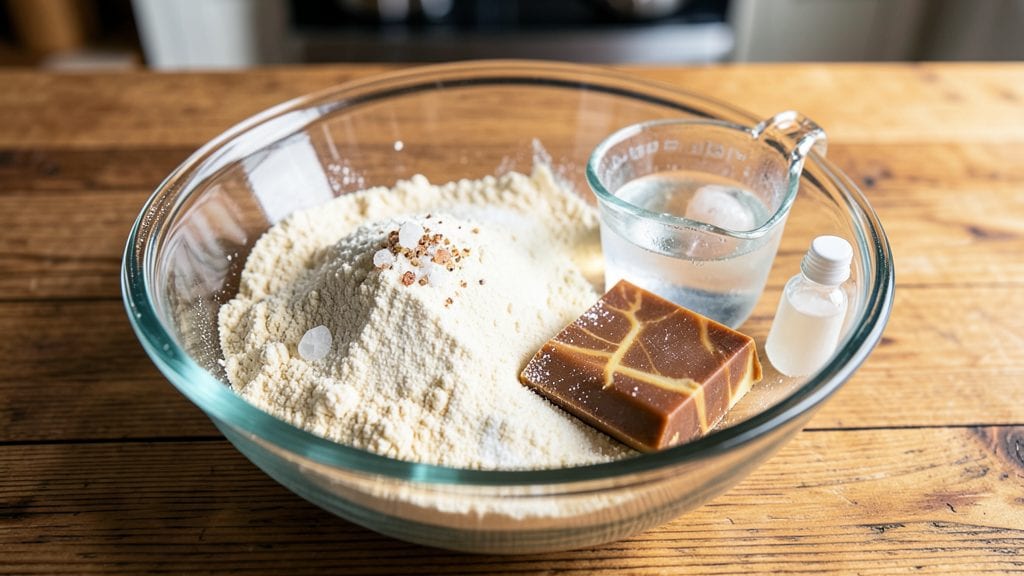
Grandma's perfect pie crust recipe is the foundation of any great dessert, and I've perfected it through years of baking—just like Mrs. Henderson taught me in Cincinnati. The secret lies in chilled butter and precise technique, creating layers so delicate they melt in your mouth.
This isn't just any crust; it's the kind that stays flaky even after hours in the oven, with a golden, crisp edge that holds its shape.
What makes this recipe truly special is the balance of ingredients and timing. Cold butter creates those signature flaky layers, while a touch of vinegar ensures the dough stays tender.
I've tested this crust countless times, adjusting ratios until I achieved the perfect ratio of butter to flour—never too much, never too little. The key is patience: letting the dough rest properly before rolling and baking.
By the time you slide this crust into the oven, you'll have a golden, shatteringly crisp shell that's sturdy enough to hold any filling without losing its delicate texture.
The aroma alone will have everyone gathering in the kitchen, and the first bite will prove why this is the only crust worth making. Ready to master the art of pie crust?
Whether you're baking an apple pie, a savory quiche, or even a hand pie, this crust delivers professional results every time. The technique is straightforward, but the payoff is undeniable—crust so perfect it makes store-bought options look like an afterthought. Let's get started on creating your own timeless dessert foundation.
Ingredients for grandma's perfect pie crust
Six ingredients. One timeless crust. The secret's in the cold butter and patience.
| Ingredient | Amount | Notes |
|---|---|---|
| All-Purpose Flour 🌾 | 2 ½ cups | Sifted for lighter texture |
| Cold Unsalted Butter 🧈 | 1 cup | Cut into 1/2-inch cubes |
| Ice Water 💧 | ⅓ cup | Chilled to keep dough firm |
| White Vinegar 🍶 | 1 tbsp | For tenderizing the dough |
| Fine Sea Salt 🧂 | ½ tsp | Enhances all flavors |
| Granulated Sugar 🍚 | 1 tbsp | Balances butter's richness |
The butter is non-negotiable—cold, unsalted cubes create those magical flaky layers. Store-brand butter works fine, but if you want to splurge, grab the European-style butter from Whole Foods (it's worth it). Cut it into even 1/2-inch cubes so they melt evenly. The flour? King Arthur or Gold Medal are my go-tos—they're finely milled and consistent. If your kitchen's warm, chill your mixing bowl too. Trust me, this makes all the difference.
No vinegar? A splash of lemon juice works in a pinch, but it won't be quite the same. Short on sugar? Skip it entirely—this crust is delicious without it. Using salted butter? Reduce the sea salt to 1/4 tsp. The ice water is crucial—don't substitute room temp water, or your crust will be tough. If you're baking in a humid climate, add 1 extra tbsp of cold water. And whatever you do, don't overwork the dough—just mix until it comes together.
This dough needs at least 1 hour of chilling (2 hours is better). Wrap it tightly in plastic and refrigerate. For best results, roll it out between two sheets of parchment paper—no sticking, no tears. Leftovers? Shape into a disk, wrap, and freeze for up to 3 months. Thaw overnight in the fridge before using. Pro tip: Blind-bake your crust for 15 minutes before adding filling—it prevents soggy bottoms every time.
Why You'll Love This Recipe
- No-Fuss Magic: I swear by this crust—just flour, butter, and ice water. No fancy mixers or last-minute scrambles; the cold butter cuts in instantly with a few strokes of a fork, and the vinegar keeps it tender without overworking.
- Butter Love Bites: That first forkful of flaky, golden layers? Pure butter bliss. The unsalted sticks melt just enough to create pockets of air, while the sea salt in the mix seasons every bite—no extra sprinkling needed.
- Pie for Any Party: Need a potluck dessert? A last-minute Thanksgiving side? This crust handles it all—sweet, savory, or even as a crispy tart shell. I’ve used it for apple, chicken pot pie, and even breakfast strudel (yes, really).
- Pantry Goldmine: Honestly, this recipe costs me pennies. A bag of flour, a block of butter, and a splash of vinegar—ingredients I already have. And leftovers? Roll them into discs, freeze them, and bake straight from frozen when you’re desperate for pie.
Step-by-step instructions for grandma's perfect pie crust
Here's the foolproof method that delivers buttery, flaky layers every single time—no tough edges or soggy bottoms!
Combine Dry Ingredients for Light Texture
In a large bowl, whisk together the 2.5 cups all-purpose flour, 1 tablespoon granulated sugar, and ½ teaspoon fine sea salt. I like to use a whisk for this step to aerate the flour slightly—this creates tiny air pockets that become those beautiful flaky layers later. Sift the flour through a mesh strainer directly into the bowl if you have one; this ensures an even distribution of ingredients and prevents lumps.
The sugar and salt dissolve evenly into the flour at this stage, so you won't taste any graininess later. Give it a quick stir with a fork after sifting to make sure everything is uniformly mixed. This dry blend is the foundation of our crust—don't skip this step, even if it seems unnecessary!
Cut in the Cold Butter Until Pea-Sized
Add the 1 cup cold unsalted butter, cut into ½-inch cubes, to the flour mixture. Using a pastry cutter or your fingers (I prefer fingers for better control), work the butter into the flour until the mixture resembles coarse crumbs with pea-sized butter pieces scattered throughout. This is called "cutting in," and it's absolutely critical for flaky texture.
Here's the thing—if your butter melts before you finish, you'll end up with a tough, dense crust instead of flaky layers. To test if your butter is cold enough, press a cube between your fingers. If it holds its shape and doesn't smear, you're good to go. If it starts to soften too quickly, pop your bowl in the freezer for 5 minutes while you work.
Add Vinegar and Ice Water for Perfect Moisture
In a separate small bowl, mix together the 1 tablespoon white vinegar and ⅓ cup ice water. The vinegar helps tenderize the gluten in the flour, making the crust more pliable. Add this mixture to the flour-butter combination 1 tablespoon at a time, gently stirring with a fork after each addition until the dough just comes together.
Don't overmix—just combine until the dough forms a shaggy mass that holds together when pressed. If it feels too dry, add 1 more teaspoon of ice water at a time until it binds. The dough should be cold and slightly crumbly, not sticky. This precise moisture level is what prevents shrinking during baking and ensures those perfect flaky layers.
Form and Chill the Dough
Turn the dough out onto a lightly floured surface and gently shape it into a 1-inch thick disk. Wrap it tightly in plastic wrap and refrigerate for at least 1 hour (I prefer 2 hours for best results). This resting period allows the gluten to relax and the butter to firm up, preventing shrinking when you roll it out later.
Here's a pro tip: press the dough flat into a disk before wrapping—this prevents air pockets that can make rolling uneven. The colder the dough stays, the easier it will be to handle and the more distinct those flaky layers will be. If you're in a hurry, you can chill it in the freezer for 20 minutes, but don't skip this step entirely!
Roll and Transfer for Perfect Crust
On a lightly floured surface, roll the chilled dough into a 12-inch circle, about ⅛-inch thick. I like to use a rolling pin with a handle to keep my hands out of the way. If the dough starts to stick, sprinkle a little more flour, but don't overdo it—too much flour makes the crust tough.
Carefully transfer the rolled crust to a 9-inch pie dish by gently lifting and draping it over the rim. Trim any excess dough hanging over the edge with a sharp knife. The secret to a perfect fit is to let the dough relax for 5 minutes before transferring—this prevents cracking when you press it into the dish. For extra flakiness, you can also create a lattice top or fold the edges into a decorative pattern.
Pro Tips For Making Grandma'S Perfect Pie Crust
- Cut Butter in Chunks: Cut the cold unsalted butter into ½-inch cubes—no smaller, no larger. Smaller pieces melt too fast during mixing, and larger ones won’t incorporate evenly. I learned this the hard way when my crust turned greasy mid-rolling.
- Use Vinegar-Soaked Water: Soak your ice water in a tablespoon of white vinegar before adding it to the flour. The acidity helps tenderize the gluten just enough to prevent toughness without losing structure. Trust me, your crust will be flakier than store-bought.
- Don’t Overwork the Dough: Mix the dough just until it holds together—no more. Every extra turn in the mixer or by hand develops gluten, which makes the crust dense. My grandmother called this "the lazy cook’s secret," and she was right.
- Rest the Dough Twice: First, let the dough rest in the fridge for 30 minutes after mixing. Then, roll it out and rest it again on the counter for 10 minutes before baking. This relaxes the gluten and prevents shrinking. I skip this when I’m rushed, and the crust always fights me.
Perfect pairings for these flavors
Fruit Fillings
This crust shines with seasonal fruit fillings like tart apple slices with cinnamon or peach slices with a touch of vanilla. For a summer favorite, try blueberry filling—the crust's flakiness contrasts beautifully with the juicy berries.
I once made a cherry pie with this crust that won my neighbor's pie contest in Portland—still bragging about it! 🍒
Savory Pairings
Don't limit this crust to desserts! A savory quiche with sharp cheddar, caramelized onions, and thyme becomes a brunch star. For a vegetarian option, fill with spinach and ricotta topped with a poached egg.
My husband Tom loves this crust for his ham and Gruyère galette—it holds up perfectly to the savory filling.
Creamy Custards
Pumpkin pie is where this crust truly excels. The flaky layers complement the silky custard filling beautifully. For a twist, try chocolate custard pie with a sprinkle of flaky sea salt.
I make this variation every Christmas—it's become a family tradition since moving to Portland. The contrast of textures is what makes it unforgettable. 🎄
Sweet Toppings
Add vanilla ice cream or whipped cream for a classic dessert. For something more unique, try caramel sauce drizzled over warm apple pie. A sprinkle of crushed pecans adds crunch.
My daughter Lily loves when I make a mini version of this crust for her lemon meringue pie—she gets to help roll it out (with supervision, of course!).
Beverage Pairings
Pair your pie with iced tea or sparkling lemonade for fruit pies. For custard pies, a bold chocolate milkshake or espresso cuts through the richness. I always serve my pumpkin pie with a glass of Portland-made hazelnut cream—it's locally sourced and the perfect finish.
The contrast of warm pie and cool beverage is pure comfort food magic. 🍵
Nutrition facts
Frequently asked questions
Why does my pie crust turn out tough instead of flaky?
Overworking the dough or using warm butter are the most common culprits. Always keep your butter cold (press a cube—it should dent but not smear) and mix just until the dough comes together. The 1-hour chill before rolling is non-negotiable for that perfect flaky texture.
Can I make this crust without vinegar?
Yes, but your crust may be slightly less tender. Use 1 tablespoon lemon juice as a substitute, though white vinegar's acidity helps tenderize the gluten better. If you're avoiding vinegar entirely, skip it—just add 1 extra teaspoon of ice water to compensate for moisture.
How do I prevent a soggy bottom in fruit pies?
Pre-bake your crust for 15 minutes at 375°F before adding filling. Line it with parchment paper, fill with pie weights or dried beans, then bake. This creates a barrier that keeps the filling from steaming the crust. For extra insurance, sprinkle a thin layer of cornstarch on the pre-baked crust.
Can I use this crust for savory dishes like quiche?
This crust works beautifully for quiches and galettes. For savory fillings, brush the pre-baked crust with a light egg wash (1 egg yolk + 1 tbsp water) before adding fillings like spinach and cheese. The buttery flavor pairs perfectly with both sweet and savory toppings.
What's the best way to store leftover crust?
Wrap unused dough tightly in plastic and refrigerate for up to 3 days, or freeze for 3 months. For pre-baked crusts, cool completely, then store in an airtight container at room temperature for 2 days. Reheat in a 350°F oven for 5-10 minutes before adding fillings.