
Desserts
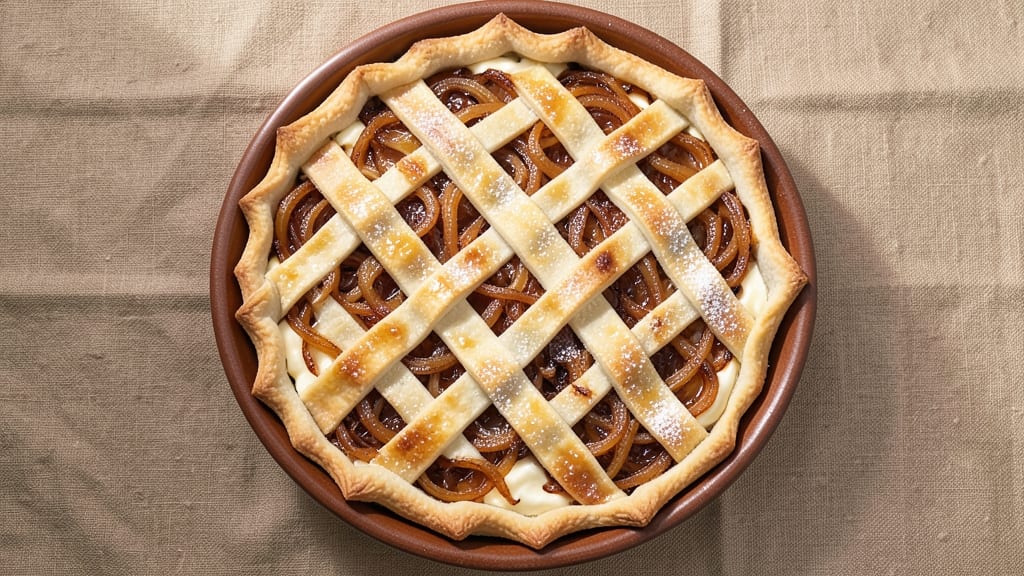
This German onion pie recipe transforms sweet onions into a caramelized masterpiece with a buttery crust and vanilla swirls that elevate every bite. The key lies in slow caramelization—cooking onions until they're deep golden and sweet, then layering them with a rich custard and crispy topping.
I first discovered this technique while researching regional German desserts, and it quickly became a family favorite during holiday gatherings.
The beauty of this pie is in its balance—sweet onions meet a creamy custard filling, all encased in a flaky crust with swirls of vanilla that add depth. Unlike traditional savory onion tarts, this version leans into dessert territory while keeping the caramelized onion flavor at its heart.
It requires patience for the onions to develop their signature sweetness, but the result is worth every minute.
By the time it emerges from the oven, you'll have a golden, bubbling pie with a crisp crust and tender, caramelized onions peeking through. The vanilla swirls add a subtle floral note that complements the onions perfectly, while the custard layer ties everything together.
This is the kind of dessert that feels special enough for guests but simple enough for weeknight treats.
Serve warm with a scoop of vanilla ice cream or a dollop of whipped cream for the full experience. The leftovers reheat beautifully, making it perfect for meal prep or sharing with neighbors. Let's get started on creating this German-inspired sweet treat!
Ingredients for german onion pie
Sweet onions, rich custard, and flaky crust—this pie delivers all the comfort you crave.
| Ingredient | Amount | Notes |
|---|---|---|
| Yellow Onions 🧅 | 3 lb | Sweet onions preferred, sliced thin |
| Unsalted Butter 🧈 | ¾ cup | Cold for caramelizing onions |
| Granulated Sugar 🍚 | ½ cup | For caramelizing onions |
| All-Purpose Flour 🌾 | 2 ½ cups | Plus 2 tbsp for crust |
| Heavy Cream 🥛 | 1 ½ cups | Full-fat for custard richness |
| Large Eggs 🥚 | 4 whole | Room temperature |
| Vanilla Extract 🍯 | 2 tsp | Pure vanilla preferred |
| Salt 🧂 | 1 tsp | Kosher or sea salt |
| Ground Black Pepper 🌶️ | ½ tsp | Freshly ground preferred |
| Vanilla Bean Paste 🍯 | 1 tbsp | For swirls, optional but recommended |
| Vanilla Ice Cream 🍦 | 1 ½ cups | For serving, optional |
Sweet onions are non-negotiable here. Vidalias or Maui onions caramelize best, but yellow onions work in a pinch. Grab the biggest bag you can find—you want those sweet, mild layers. Trader Joe's usually has Maui onions in season, but regular grocery stores carry Vidalias year-round. Slice them paper-thin (a mandoline makes this easy) and pat them dry. The drier the onions, the faster they caramelize. If you're feeling fancy, Costco sells pre-sliced onions for caramelizing—game changer for busy days.
No vanilla bean paste? Pure vanilla extract plus a pinch of sugar works fine, though you'll miss those little specks of vanilla. Running low on heavy cream? Half-and-half with a splash of milk keeps it creamy, just less rich. The crust needs to be flaky, so don't skip the cold butter—cut it into the flour with a pastry cutter or your fingers until it's pea-sized. If you're short on time, Pillsbury refrigerated pie crust cuts corners (just add the sugar to the filling). The custard should coat the back of a spoon—thick enough to hold its shape but still pourable.
This pie tastes even better the next day, so make it ahead if you can. Store it in an airtight container at room temperature for 2 days or refrigerate for 5 days. Reheat in a 350°F oven for 15 minutes—the crust gets crispy again. For parties, assemble the pie, chill it overnight, then bake right before serving. The custard sets better after resting, and the flavors meld perfectly. Leftovers? Freeze slices for up to 3 months—just reheat until warm.
Why You'll Love This Recipe
- No-Fuss Prep: The only chopping you’ll do is dicing onions—no fancy techniques, just slice, caramelize, and let the sugar do its magic while you mix the crust. Honestly, the hardest part is waiting for the filling to thicken, and even that’s just 15 minutes of hands-off time.
- Sweet-Savory Magic: That balance of caramelized onions with a touch of sugar and creamy filling? It’s like dessert had a flirty little affair with savory comfort food. The butter and flour crust soaks up every last drop, so you’ll want to eat it straight from the pan—no judgment here.
- Weeknight Hero: I’ve made this for lazy Sundays, potlucks where I showed up empty-handed, and even as a last-minute dinner when the takeout menu got me over it. It reheats beautifully, so it’s my go-to when I need something reliable that still feels special.
- Budget-Friendly Luxury: Onions and butter might sound fancy, but they’re actually my pantry’s secret weapon for feeling fancy without breaking the bank. A single pie feeds four, and leftovers taste just as good cold the next day—perfect for lunch or a snack when you’re craving something hearty but don’t want to cook.
Step-by-step instructions for German onion pie recipe
This pie delivers a sweet, caramelized onion crust with a creamy vanilla custard center—easy to make but impressive enough for company.
Caramelize the Onions Slowly
Slice the 3 lb yellow onions into thin, even rounds—about ⅛-inch thick. Melt the 0.75 cup unsalted butter in a large skillet over medium heat. Add the onions and sprinkle with the 0.5 cup granulated sugar. Stir gently to coat.
Cook for 45-60 minutes, stirring occasionally, until the onions turn deep golden brown and the liquid evaporates. You're looking for a jammy, caramelized texture—not crispy. If they start to stick, add a splash of water and scrape up the browned bits. This step builds the rich, sweet flavor that makes this pie special. Don't rush it—the longer they cook, the deeper the flavor.
Prepare the Crust Mixture
In a large bowl, whisk together the 2.5 cups all-purpose flour, 1 tsp salt, and 0.5 tsp ground black pepper. Add the caramelized onions and mix until evenly distributed. The mixture should look like coarse crumbs with moist, sticky bits from the onions.
Press this mixture firmly into a greased 9-inch pie dish, creating an even layer about ¼-inch thick. Use your fingers to smooth the top and create a slight edge around the crust. This ensures the filling won't leak out during baking. Chill the crust in the refrigerator for 20 minutes while you prepare the filling.
Make the Vanilla Custard Filling
In a medium saucepan, combine the 1.5 cups heavy cream, 2 tsp vanilla extract, and 1 tbsp vanilla bean paste. Heat over medium-low heat until it just begins to simmer—about 5 minutes. Remove from heat and let it cool slightly.
In a separate bowl, whisk the 4 whole large eggs until frothy. Gradually whisk in the warm cream mixture, then add the 2.5 cups flour mixture from the crust. Stir until smooth—it should be thick but pourable. Pour this filling over the chilled crust, spreading it evenly. The custard should come about ½-inch below the pie dish's rim.
Bake Until Set and Golden
Preheat your oven to 350°F. Bake the pie for 45-50 minutes until the center is just set and the edges are golden brown. To check doneness, insert a knife near the center—it should come out clean with no wet batter clinging to it. If the top browns too quickly, tent it loosely with foil after 30 minutes.
Let the pie cool completely at room temperature before slicing—this prevents the custard from running. The contrast between the sweet, jammy onion crust and the creamy vanilla custard makes every bite worth the wait. Serve warm or at room temperature with the 1.5 cups vanilla ice cream for a decadent dessert experience.
Pro Tips For Making German Onion Pie
- Caramelize Onions Slowly: I learned this the hard way—rushing the onions turns them bitter instead of sweet. Use medium-low heat and let them cook for 30-40 minutes until deep golden, stirring occasionally. The longer they sit, the richer the flavor, even if it feels like forever.
- Use Cold Butter for Crisp: Cut your unsalted butter into small cubes and toss it into the flour mixture before adding liquid. Cold butter creates flaky layers in the crust—skip this, and you’ll end up with a dense, greasy mess. (Yes, even if you’re impatient like me.)
- Balance Cream with Sugar: The heavy cream can make the filling too rich if you’re not careful. For every cup of cream, add at least 1/4 cup sugar to cut the heaviness and balance the sweetness. Taste as you go—this isn’t a math problem, it’s a flavor one.
- Bake Until Golden, Not Just Set: Resist the urge to pull the pie out the second it looks done. Bake it until the edges are deep golden brown, not just pale. That extra 5-10 minutes under the broiler (watch it like a hawk) gives you the crispy, caramelized crust that makes this dish worth it.
Common mistakes when making this dish
Rushing Caramelization
The most common mistake is not caramelizing the onions long enough. Sweet onions need 45-60 minutes of slow cooking to develop their signature jammy texture. I’ve seen people cut this time to 20-30 minutes, resulting in a bland, watery filling.
The sugar needs time to break down and create those deep caramel flavors—don’t rush it! Use a heavy skillet like Lodge cast iron for even heat distribution, and resist the urge to crank up the heat. 🔥
Skipping the Chill
Many home bakers forget to chill the crust before baking, which leads to a soggy bottom. After pressing the onion-flour mixture into your pie dish, pop it in the fridge for 20 minutes. This firms up the crust so it holds its shape during baking.
I’ve had pies leak custard all over the oven floor because I skipped this step—don’t make that mistake! Use a 9-inch deep-dish pie pan for extra stability.
Overmixing the Filling
When combining the custard ingredients, it’s easy to overmix the batter, which can create a tough texture. Whisk just until smooth—about 30 seconds—to avoid developing gluten in the flour. Overmixing introduces air bubbles that can cause the pie to sink in the center.
I learned this the hard way when my first attempt had a sad, flat middle. For extra insurance, use a hand mixer on low speed for just a few pulses. 💡
Incorrect Baking Temperature
Baking at too high a temperature (375°F+) causes the custard to set too quickly on top while staying undercooked inside. The ideal temperature is 350°F, which allows even cooking throughout.
I’ve had pies with a crusty exterior and a gooey, uncooked center because I followed a recipe that called for 400°F. If your oven runs hot, tent the pie with foil after 30 minutes to prevent over-browning.
Underestimating Resting Time
Cutting into the pie too soon after baking is a surefire way to end up with a runny mess. The custard needs 1-2 hours to fully set at room temperature. I once served pie straight from the oven, and the filling oozed out like a sad puddle.
For a clean slice every time, let it cool completely before serving. If you’re in a hurry, chill it in the fridge for 30 minutes before slicing.
Ignoring the Vanilla Swirls
The vanilla bean paste swirls aren’t just decorative—they add depth of flavor that ties the whole pie together. Skipping them means missing out on that subtle floral note that balances the sweet onions. To create the swirls, pipe the vanilla paste in zigzags over the custard before baking.
If you don’t have paste, a 1 tbsp vanilla extract mixed with 1 tsp sugar works in a pinch. The swirls also make the pie look stunning when served! ✨
Nutrition facts
Frequently asked questions
Can I use regular yellow onions instead of sweet onions?
Yes, but the flavor will be less sweet and more pungent. Sweet onions like Vidalias or Maui onions caramelize beautifully and create that signature jammy texture. If you must use regular yellow onions, add 1 extra tablespoon of sugar during caramelization and cook them 5-10 minutes longer to intensify the sweetness.
How do I make this pie without a pie crust?
For a crustless version, simply press the caramelized onion mixture into a greased baking dish instead of a pie pan. Top with the custard and bake as directed. The onions will create a thick, flavorful base that holds together like a crust. This works best in a 9x13-inch dish for easy serving.
Can I substitute the custard with pudding?
Use 2 cups of instant vanilla pudding mix prepared according to package instructions. Spread it evenly over the caramelized onions before baking. The texture will be slightly different but still delicious. For extra richness, mix in ½ cup sour cream with the pudding.
Why did my pie turn out dense instead of fluffy?
Overmixing the custard or using too much flour can create a dense texture. Whisk the egg mixture just until combined—about 30 seconds. Also, ensure your custard isn't too thick; it should coat the back of a spoon but still be pourable. If using store-bought crust, check for extra moisture in the filling.
How can I make this ahead of time?
Assemble the pie completely (including baking) and let it cool to room temperature. Store it in an airtight container at room temperature for 2 days or refrigerate for 5 days. Reheat slices at 350°F for 10-15 minutes until warm. For freezing, wrap individual slices tightly and freeze for up to 3 months. Thaw overnight in the fridge before reheating.