
Desserts
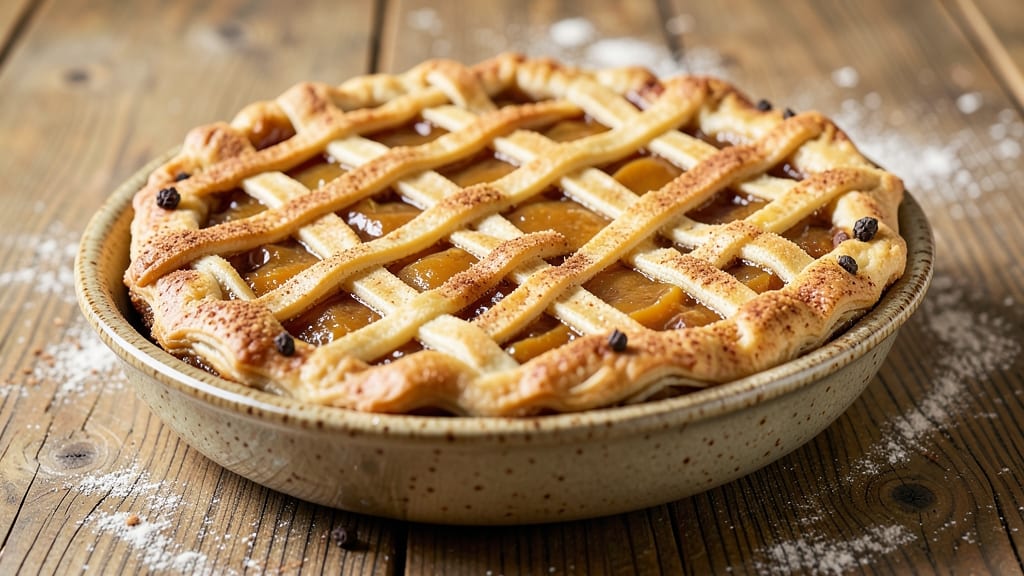
This cushaw pie recipe delivers the velvety, spiced sweetness that defines Southern dessert traditions. The cushaw squash—with its nutty, caramel-like flavor—creates a filling that's rich yet light, perfectly balanced between custardy and firm.
I first tasted this pie at a family gathering in Mississippi, where the aroma alone brought everyone to the table.
The recipe combines freshly cooked cushaw squash with sugar, eggs, and warm spices like cinnamon and nutmeg, all baked in a buttery crust until golden and set. Unlike pumpkin pie, the cushaw's natural sweetness requires less sugar, making the flavor profile more complex and satisfying.
The filling achieves that signature Southern texture—smooth yet slightly dense, with a custard-like richness that melts in your mouth.
Baking at 350°F for 45-50 minutes ensures a perfect center, while the crust stays crisp enough to hold its shape. Serve it warm with a dollop of whipped cream or a scoop of vanilla ice cream to enhance its natural sweetness.
This pie isn't just dessert—it's a taste of tradition, passed down through generations with every slice.
For those without access to cushaw squash, butternut or sweet potato can be substituted, though the flavor will differ slightly. The key is achieving that creamy consistency without overmixing, which keeps the texture luscious. Let's get baking!
Ingredients for cushaw pie
Fresh cushaw squash, warm spices, and a buttery crust create this Southern classic.
| Ingredient | Amount | Notes |
|---|---|---|
| Cushaw Squash 🎃 | 4 cups | Freshly cooked, mashed smooth |
| Granulated Sugar 🍚 | 1 ½ cups | Light brown preferred for depth |
| Large Eggs 🥚 | 4 whole | Room temperature for even baking |
| Unsalted Butter 🧈 | 1 cup | Cold, cubed for crust |
| All-Purpose Flour 🌾 | 2 ½ cups | Sifted for light crust |
| Ground Cinnamon 🍃 | 2 tsp | Freshly ground preferred |
| Ground Nutmeg 🌿 | 1 tsp | Freshly grated nutmeg better |
| Ground Ginger 🌶️ | 1 ½ tsp | Freshly ground for warmth |
| Salt 🧂 | ½ tsp | Diamond Crystal kosher preferred |
| Heavy Cream 🥛 | ½ cup | Full-fat for richness |
| Vanilla Extract 🍯 | 1 tsp | Pure Madagascar preferred |
| Ice Water 💧 | ⅓ cup | For dough consistency |
The cushaw squash is the heart of this pie, and its availability can be seasonal. Local farmers markets or specialty produce sections in Southern grocery stores like Publix or H-E-B often carry it when in season. If you can't find cushaw, butternut squash is the closest substitute, though it lacks the same depth of flavor. Look for squash that's firm, heavy for its size, and free of soft spots. Once cooked, it should mash to a smooth, velvety consistency—no lumps. The spices are key here: freshly ground cinnamon and nutmeg elevate the flavor beyond what pre-ground blends can offer. For the crust, cold butter is essential to prevent a tough texture, and sifting the flour ensures a light, flaky result.
No cushaw squash? Sweet potato or pumpkin can work in a pinch, though the flavor will be less complex. For the spices, pre-ground blends will suffice if fresh aren't available, but reduce the amount by about 20% to avoid overpowering the filling. The heavy cream adds a luxurious texture, but half-and-half can be used if you're watching fat content. The vanilla extract should be pure—imitation extracts lack the depth needed to complement the warm spices. If you're short on time, pre-made pie crust from Whole Foods or Trader Joe's works well, though it won’t have the same rustic charm as homemade.
This pie keeps beautifully for 4-5 days in the refrigerator, though it’s best enjoyed within the first 24 hours for optimal texture. For longer storage, wrap tightly in plastic and freeze for up to 3 months. To reheat, bake at 350°F for 15-20 minutes until warmed through. The crust holds up well, but if it softens upon reheating, broil for 2-3 minutes at the end to restore crispness. Leftovers make excellent breakfast pastries—just slice and warm for a comforting start to the day.
Why You'll Love This Recipe
- No-Squash-Waste Wonder: I peel and cube that cushaw in 10 minutes—no fancy peeling tools, just a knife and a deep breath. The rind’s edible, so I toss the scraps into the compost bin without guilt.
- Sweet Creamy Magic: That sugar-butter custard? It’s like a hug in pie form. The cushaw’s natural sweetness means I don’t need to overdo it—just a touch of sugar lets the squash shine through.
- Leftovers That Last: Honestly, I make this on Sundays because the slices reheat beautifully. Cold or warm, it’s my go-to for lunches—no sad, soggy pie here.
- Pantry Staple Power: Between us, this recipe uses stuff I already have: flour, eggs, butter. No obscure ingredients, no last-minute grocery runs. It’s my budget-friendly answer to dessert cravings.
Step-by-step instructions for Southern-style cushaw squash pie
Mastering this pie requires precision in technique and patience in baking. Here's how to achieve a perfectly spiced, creamy filling with a flaky crust.
Prepare the Cushaw Squash Filling
Begin by cooking the 4 cups of Cushaw Squash until fork-tender. I prefer roasting it whole at 375°F for 45-50 minutes, then scooping out the flesh once cooled enough to handle. The squash should yield a smooth, velvety puree when mashed—no lumps should remain, as they'll create texture inconsistencies in the filling.
In a large mixing bowl, combine the mashed squash with 1.5 cups of Granulated Sugar, 2 tsp of Ground Cinnamon, 1 tsp of Ground Nutmeg, and 1.5 tsp of Ground Ginger. Mix thoroughly until the sugar dissolves completely and the spices are evenly distributed. This blend of warm spices is what gives Southern pies their signature depth of flavor. Set the mixture aside while you prepare the crust.
Create the Creamy Egg Mixture
In a separate bowl, whisk together the 4 whole Large Eggs (room temperature) and 0.5 cup of Heavy Cream until just combined—no need to overbeat. The mixture should be smooth with no streaks of egg white. Gradually whisk in 1 tsp of Vanilla Extract and 0.5 tsp of Salt, ensuring the salt dissolves completely for even distribution throughout the filling.
Temper the egg mixture by slowly pouring in the squash-spice mixture while whisking continuously. This prevents scrambling the eggs, which would create a grainy texture in your pie. The final filling should be thick but pourable, with a consistency similar to heavy pudding. If it's too thick, add 1-2 tablespoons of Ice Water to reach the ideal texture.
Assemble the Pie with Precision
Roll out the pie crust to fit a 9-inch pie dish, leaving a ½-inch overhang all around. Press it gently into the dish, then chill in the refrigerator for 20 minutes to firm up. This prevents shrinking during baking. In a small bowl, mix 1 cup of Unsalted Butter (cold, cubed) with 2.5 cups of All-Purpose Flour until it resembles coarse crumbs. Sprinkle this mixture evenly over the chilled crust.
Pour the squash filling into the prepared crust, spreading it evenly with a spatula. The filling should reach just below the top edge of the crust, allowing room for expansion. Fold the overhang inward to create a decorative edge, then crimp it securely with a fork. This creates a professional finish while sealing in the filling.
Bake to Golden Perfection
Preheat your oven to 350°F and place a baking sheet on the lower rack. Pour ½ cup of Ice Water into the baking sheet—this creates steam that prevents the crust from browning too quickly. Bake the pie for 50-55 minutes, until the filling is set but still slightly jiggly in the center (it will firm up as it cools).
The crust should be golden brown with no dark spots. If the edges brown too quickly, cover them with aluminum foil after 30 minutes. The pie is done when it passes the "wiggle test"—the center should move gently when the pie is shaken, but not be liquid. Let it cool completely on a wire rack before slicing, as this allows the filling to fully set and develop its creamy texture.
Pro Tips For Making Cushaw Pie
- Peel While Warm: Cushaw squash peels easier after roasting—just pull it straight from the oven and scrape off the skin with a spoon while it’s still hot. I used to peel it raw and end up with bruised flesh; now I get clean slices every time.
- Whisk Butter Cold: Cut the unsalted butter into small cubes and chill it before mixing into the filling—this keeps the custard from curdling when you add eggs. I learned this the hard way when my pie turned grainy last Thanksgiving.
- Skip Overmixing: Fold the flour into the squash mixture just until combined—lumps are fine, but overworking it makes the crust tough. My grandmother swore by this, and she was right: the texture stays tender when you resist the urge to smooth it out.
- Bake in Two Stages: Start cushaw pie at 350°F until the edges set (about 40 minutes), then crank to 375°F for the last 15 minutes to get a deep golden crust. I was skeptical until I tried it—now it’s the only way I bake it.
Troubleshooting this dish
Filling Too Runny
If your cushaw filling turns out too thin after baking, it’s usually from overmixing the eggs or using too much liquid. I’ve found that whisking the eggs just until combined—without creating foam—keeps the texture stable. For extra insurance, add 1-2 tablespoons of cornstarch to the filling before baking.
This creates a subtle thickening effect without altering the flavor. Also, ensure your squash is fully mashed with no lumps, as even small pieces can break down during baking and contribute to a watery texture. 💡
Crust Too Tough
A tough crust often results from overworking the dough or using warm butter. I recommend cutting 1 cup of cold butter into the flour mixture with a pastry cutter or your fingers until it resembles coarse crumbs.
Avoid handling the dough more than necessary—just press it gently into the pie dish. If the crust still feels dense after baking, try brushing it with a thin layer of heavy cream before baking to add moisture and tenderness. 🧈
Filling Not Setting
An undercooked or runny filling usually means the pie didn’t bake long enough or the oven wasn’t hot enough.
The center should be slightly jiggly when done—like a wobbly Jell-O. If yours isn’t setting, try baking for an additional 10-15 minutes at 325°F (lower heat prevents the crust from burning while the filling firms up).
For extra stability, chill the pie in the fridge for 2-3 hours before slicing—this helps the filling set properly. 🌡️
Cushaw Taste Weak
If your pie lacks the signature cushaw flavor, it might be undercooked or overpowered by spices. Roast the squash until it’s fork-tender and caramelized—this intensifies its natural sweetness. For deeper flavor, add a pinch of allspice or cloves to the spice mix.
I also recommend using freshly grated nutmeg instead of pre-ground, as it adds a brighter, more aromatic note. If you’re substituting butternut squash, reduce the sugar by ¼ cup to avoid over-sweetness. 🍃
Shrinking Crust
A shrinking crust is often caused by not chilling the dough before baking or overfilling the pie. Always press the crust into the dish and refrigerate it for 20 minutes before adding filling. Leave at least ½-inch headspace between the filling and crust edge to allow for expansion.
If the crust still shrinks, try blind-baking it for 10 minutes before adding the filling—this pre-sets the dough and prevents collapse. 🥧
Uneven Browning
Dark spots on the crust usually mean the edges baked too quickly. To fix this, cover the crust edges with aluminum foil after 30 minutes of baking. For even browning, place a baking sheet on the lower oven rack and pour ½ cup of hot water into it before baking.
This creates steam that helps the crust cook evenly. If the top browns too fast, tent the pie loosely with foil after 25 minutes. 🔥
Nutrition facts
Frequently asked questions
What makes cushaw squash pie different from pumpkin pie?
Cushaw pie has a distinct nutty, caramel-like flavor that sets it apart from pumpkin pie's earthier taste. The filling is also less sweet, relying on the squash's natural sugars and warm spices like cinnamon and nutmeg for depth. Unlike pumpkin's dense texture, cushaw pie has a lighter, almost custard-like consistency that melts in your mouth.
Can I substitute butternut squash for cushaw?
Yes, butternut squash works as a substitute, though the flavor won't be identical. Use the same amount, but reduce sugar by ¼ cup since butternut is sweeter. For best results, roast it until caramelized to mimic cushaw's depth. The texture will be slightly denser, but it still creates a delicious pie.
How do I know when the pie is fully baked?
The pie is done when the center is slightly jiggly (like wobbly Jell-O) but not liquid. The crust should be golden brown with no pale spots. If unsure, insert a knife near the center—it should come out clean or with just a few moist crumbs. Let it cool 2-3 hours before slicing for the perfect texture.
Why does my crust turn out tough?
A tough crust usually means the butter wasn't cold enough or the dough was overworked. Cut 1 cup of cold butter into the flour until it resembles coarse crumbs, then handle the dough minimally. For extra tenderness, brush the baked crust with heavy cream before serving.
Can I make this pie ahead of time?
This pie keeps well for 4-5 days in the fridge or up to 3 months in the freezer. For best results, store it fully cooled. Reheat slices at 350°F for 15 minutes to restore warmth. The flavors actually improve overnight as the filling sets.