Desserts
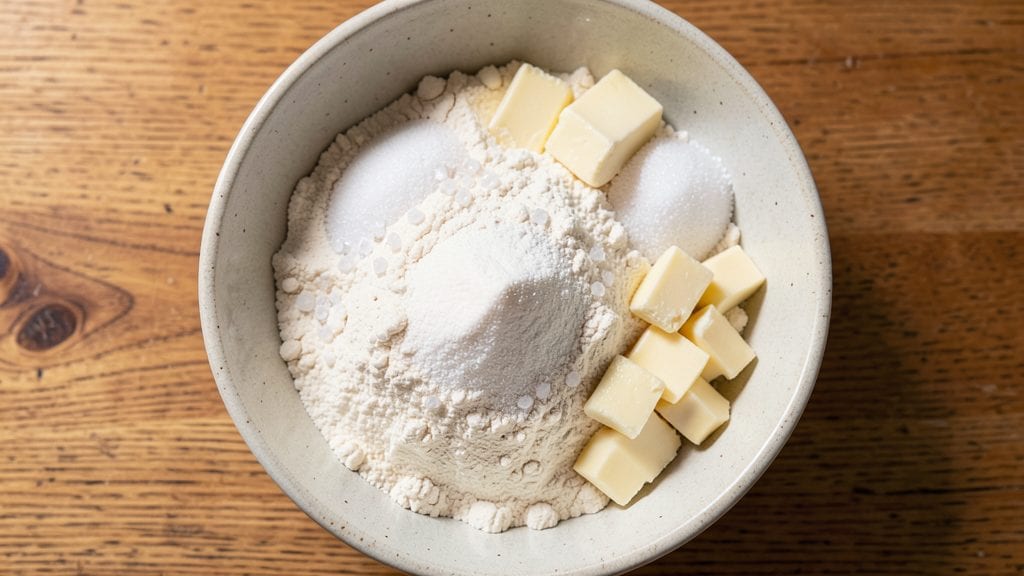
Creating the perfect classic pie crust starts with cold butter and precise technique—this method delivers shatterproof crispness that holds up to any filling. The secret lies in layering cold butter into the dough, creating flaky, golden layers that form a sturdy yet tender crust.
I’ve perfected this recipe over years of baking, ensuring it works for both sweet pies and savory tarts without fail.
This recipe uses simple ingredients—flour, butter, salt, and ice water—but the technique transforms them into a professional-quality crust. The key is keeping everything cold until the final moment, which prevents the butter from melting too soon and ensures those signature flaky layers.
Whether you're making a classic apple pie or a rich meat pie, this crust provides the perfect foundation.
What you’ll achieve is a crust that’s crisp on the edges, tender in the middle, and sturdy enough to hold its shape under any filling. The layers remain distinct, creating a texture that’s both satisfying and visually impressive.
This method also allows for variations—swap in lard for a slightly softer crust or add herbs for savory applications.
Once you master this technique, you’ll never go back to store-bought crusts. The process is straightforward but requires patience, particularly when chilling the dough and rolling it out evenly. With practice, you’ll achieve consistent results every time, making this the ultimate classic pie crust for any occasion.
Ingredients for classic pie crust
Four simple ingredients transform into a shatterproof crust—just keep everything cold!
| Ingredient | Amount | Notes |
|---|---|---|
| All-Purpose Flour 🌾 | 2 ½ cups | Sifted for even texture |
| Unsalted Butter 🧈 | 1 cup | Cold, cubed, not softened |
| Ice Water 💧 | ½ cup | Freshly chilled, not tap |
| Diamond Crystal Kosher Salt 🧂 | ½ tsp | Fine grain preferred |
| Granulated Sugar 🍚 | 1 tbsp | For tenderizing flour |
| Cornstarch 🌽 | 1 tbsp | For extra crispness |
| Large Egg Yolk 🥚 | 1 whole | For binding |
| White Vinegar 🍶 | 1 tsp | For elasticity |
The butter is non-negotiable—Plugrá or Land O'Lakes work perfectly, but European-style butter (like President or Kerrygold) gives extra flakiness. Grab it from the freezer section and cut it into 1/2-inch cubes before mixing. The flour? King Arthur or Gold Medal are my go-tos—they're reliable, but any all-purpose will do. Sift it first (trust me, it makes a difference) and mix in the sugar and cornstarch right away. That sugar tenderizes the crust, while the cornstarch adds that signature crispness. Pro tip: if your kitchen's warm, chill your mixing bowl too.
No butter? Lard or shortening works in a pinch—just know it'll be slightly softer. Running short on ice water? Freeze your measuring cup overnight and use those cubes. The egg yolk is key for binding, but if you're avoiding eggs, 1 tbsp cold water plus 1 tsp mustard mimics the effect. Vinegar substitute? Lemon juice at the same amount. And if you're making a savory crust, skip the sugar and add 1 tsp dried herbs (like thyme or rosemary) to the flour mix. The dough should hold together when pressed but not be sticky—if it's too dry, add 1 tsp more ice water.
This dough is a diva—it needs patience. Wrap it in plastic and chill for at least 2 hours (overnight is ideal). When rolling, keep the dough and your rolling pin cold too—dust with flour, not meal, for that perfect texture. Use the crust within 2 days if refrigerated, or freeze for up to 3 months (wrap tightly in plastic and foil). For pre-baking: blind bake at 375°F for 15-20 mins with pie weights or dried beans. Store pre-baked crusts in an airtight container—it reheats beautifully!
Why You'll Love This Recipe
- No Fuss, No Fail: I swear by this crust—just flour, cold butter, and ice water. No food processor, no stress. The butter stays in chunks, and the dough comes together with zero frustration.
- Butter Love: That cold, unsalted butter melting into flaky layers? It’s the only way. The sugar in the dough gives it a subtle sweetness that pairs perfectly with anything—savory or sweet—without overpowering.
- Pie for Any Day: Need a pie for Thanksgiving? A quick galette for a Tuesday? This crust handles it all. Freeze half the dough ahead of time, and you’ve got a backup for emergencies (or lazy days).
- Budget Magic: Flour, butter, salt—these are pantry staples. No specialty ingredients, no markup. One batch feeds a crowd, and leftovers? They’re perfect for mini pies or hand pies the next day.
Instructions for classic pie crust recipe
Here's how to create a shatterproof crust that's crisp, flaky, and perfect for any pie.
Combine Dry Ingredients for Perfect Texture
In a large bowl, whisk together the 2.5 cups all-purpose flour, 1 tablespoon granulated sugar, 1 tablespoon cornstarch, and ½ teaspoon diamond crystal kosher salt. The sugar tenderizes the flour while the cornstarch adds that signature crispness we're after. Sift the mixture lightly to break up any lumps and create a fine, even texture—this ensures your crust will be tender rather than tough.
I like to use my fingers to gently break up any remaining clumps by rubbing the flour between my thumb and fingers. This step might seem small, but it makes a huge difference in the final result. The goal here is to create a uniform base where every particle of flour gets properly coated with fat later on.
Cut in Cold Butter for Flaky Layers
Add the 1 cup cold, cubed unsalted butter to the flour mixture. Using a pastry cutter or two forks, work the butter into the flour until you achieve pea-sized crumbs with some flour still clinging to them. This is crucial—you want just enough butter to create those signature flaky layers without overworking the dough.
Here's where precision matters: the butter should remain cold throughout this process. If it starts to melt, pop the bowl into the refrigerator for 5-10 minutes to firm it up again. You'll know you're on the right track when the mixture looks like coarse crumbs with some flour still visible. This texture is what creates those beautiful, delicate layers when baked.
Add Wet Ingredients for Binding
Create a well in the center of your flour-butter mixture and add the 1 whole large egg yolk, 1 teaspoon white vinegar, and ½ cup ice water. The vinegar adds elasticity while the egg yolk helps bind everything together. Using a fork, gently mix these ingredients until the dough just comes together—don't overmix or you'll develop gluten and lose that tender texture.
At this stage, the dough should be slightly shaggy. I like to press it together briefly with my hands, then let it rest for 5 minutes. This resting period allows the flour to fully hydrate and the dough to firm up slightly. If it's still too crumbly, add 1 teaspoon more ice water at a time until it holds together when pressed.
Chill the Dough for Maximum Flakiness
Divide the dough into two equal discs (you'll use one for the top crust and one for the bottom). Wrap each disc tightly in plastic wrap and refrigerate for at least 1 hour, but preferably 2 hours. This chilling step is absolutely critical—it relaxes the gluten, prevents shrinking, and ensures those perfect flaky layers when baked.
I know it's tempting to skip this step when you're eager to bake, but trust me, the wait is worth it. The cold temperature also helps the butter maintain its shape, which is what creates those beautiful, crisp layers. If you're in a hurry, you can chill the dough in the freezer for 20-30 minutes, but refrigerator chilling gives the best results.
Roll and Fit the Crust Perfectly
On a lightly floured surface, roll out one disc of dough to fit your pie dish, leaving about ½ inch overhang all around. The key here is to keep the dough cold—if it starts to soften, return it to the refrigerator for 10 minutes before rolling again. Gently lift the rolled-out crust and transfer it to your pie dish, pressing it lightly into the bottom and up the sides.
For a classic look, trim the excess dough from the edges, leaving about ½ inch of overhang. Fold this overhang under itself to create a neat edge. This technique prevents the crust from shrinking during baking. If you're making a double-crust pie, repeat the process with the second disc of dough for the top crust, keeping it refrigerated until you're ready to use it.
Pro Tips For Making Classic Pie Crust
- Cut Butter Cold: DESCRIPTION: Take your unsalted butter straight from the fridge—no thawing, no softening. I used to let it sit out "just a little" and ended up with a tough crust that flaked apart when baking. Cold butter creates flaky layers because it melts slowly, and that’s the whole point.
- Measure Salt Precisely: DESCRIPTION: Diamond Crystal kosher salt is not the same as table salt—don’t eyeball it. Use 1 teaspoon for every 2½ cups of flour, or your crust will taste bland. I learned this after making a lemon meringue pie that tasted like it needed more seasoning (it didn’t—just salt).
- Pulse, Don’t Overwork: DESCRIPTION: In a food processor, pulse the flour and butter in 3-4 bursts—just until pea-sized crumbs form. Overmixing develops gluten, and your crust turns out dense instead of tender. I’ve ruined enough pies staring at a sad, gray dough ball to know this one.
- Chill Between Rolls: DESCRIPTION: After shaping the dough, wrap it tightly and refrigerate for at least 30 minutes before rolling. This prevents shrinking and makes handling easier. I skipped this once and ended up with a crust that looked like it had been through a blender—don’t make my mistake.
Regional styles of this recipe
Southern Style Crust
In the South, pie crusts often incorporate lard instead of butter for a slightly softer, more tender texture that holds up beautifully to rich fruit fillings.
I use ½ cup lard (like Bubba’s Lard or I Can’t Believe It’s Not Butter!) in place of the butter, keeping everything else the same. This variation is perfect for peach pies or cherry pies, where the crust needs to be sturdy yet tender.
The lard creates a more forgiving dough that’s easier to roll out, especially in warmer kitchens. 🌶️
French-Style Pâte Brisée
For a more refined, all-butter crust with a delicate texture, the French pâte brisée is my go-to. This version uses 1 cup European-style butter (like President or Plugrá) and 1 tablespoon cold water instead of ice water.
The technique is similar, but the butter is cut into the flour until the mixture resembles fine breadcrumbs. This crust is ideal for quiches or savory tarts, offering a crisp yet tender bite.
The key is to keep the dough very cold—I often chill it for 2 hours before rolling. 🥖
British Shortcrust
The British shortcrust pastry is a workhorse for both sweet and savory pies, known for its crisp edges and tender crumb. This version replaces ½ cup of the butter with ½ cup lard or shortening (like Crisco) and adds 1 tablespoon cold milk to the wet ingredients.
The result is a sturdier crust that holds its shape under wet fillings, like meat pies or sweet potato pies. I like to roll this dough slightly thicker (about ⅛ inch) for extra stability. 🇬🇧
Italian Pasta Frolla
Italian pasta frolla is a sweeter, richer crust often used for tarts and galettes. It swaps ½ cup of the butter for ½ cup lard or vegetable shortening and adds 2 tablespoons sugar to the dry ingredients.
The dough is rolled out thinner (about ⅛ inch) and often brushed with an egg wash before baking. This crust is perfect for lemon tarts or ricotta-filled pastries, offering a delicate, melt-in-your-mouth texture. The secret? Keep the dough well-chilled and roll it quickly to prevent warming. 🇮🇹
German Mürbeteig
German mürbeteig (shortcrust pastry) is a butter-heavy crust that’s slightly sweeter and more tender than classic pie dough. It uses 1 cup unsalted butter (like Kerrygold) and 2 tablespoons sugar, then adds 1 tablespoon cold lemon juice for brightness.
This crust is ideal for apple strudel or savory pies, like potato pies. The dough is rolled thin and often folded or pleated for a decorative edge. Chill it for at least 1 hour to keep it pliable but firm. 🇩🇪
Savory Herb Crust
For savory pies (like meat pies or vegetable tarts), I add 1 teaspoon dried herbs (like thyme, rosemary, or sage) to the flour mixture and reduce the sugar to ½ tablespoon. This crust works beautifully with beef Wellington or spinach and cheese tarts.
The herbs infuse the dough with earthy depth, while the reduced sugar keeps it from becoming too sweet. Roll it slightly thicker (about ⅛ inch) for extra structure when filled with hearty ingredients. 🌿
Nutrition facts
Frequently asked questions
Why does my pie crust turn out tough instead of flaky?
The most common causes are overworking the dough or using warm ingredients. Keep everything cold, including your hands and rolling pin, and avoid excessive mixing after adding wet ingredients. The butter should remain in pea-sized chunks with flour still clinging—never fully incorporated. If your dough feels sticky, it needs more flour; if it crumbles, add 1 teaspoon ice water at a time.
Can I make this crust without a food processor?
Use two forks or your fingers to cut the cold butter into the flour until you get pea-sized crumbs. Work quickly to keep everything cold, and avoid overmixing once the wet ingredients are added. The key is patience—press the dough together gently and chill it properly for the best results.
How do I prevent my crust from shrinking in the oven?
Chill the dough thoroughly before rolling, and keep it cold while transferring to your pie dish. Leave a ½-inch overhang and fold it under itself before baking. For extra insurance, blind-bake the bottom crust at 375°F for 15 minutes with pie weights or dried beans before adding filling. This pre-baking step creates a sturdy base that won't shrink.
What’s the best way to store leftover crust?
Wrap the unused dough tightly in plastic wrap and refrigerate for up to 2 days. For longer storage, freeze the dough (wrapped in plastic and foil) for up to 3 months. Thaw overnight in the fridge before using. Pre-baked crusts can be stored at room temperature in an airtight container for 2 days or frozen for 2 months. Always reheat frozen crusts before filling to prevent sogginess.
Can I use this crust for savory dishes like quiche?
Yes! This classic crust works perfectly for savory applications. Reduce the sugar to ½ tablespoon and add 1 teaspoon dried herbs (like thyme or rosemary) to the flour. For extra richness, brush the pre-baked crust with a mix of 1 egg yolk + 1 tablespoon cream before adding fillings like spinach, cheese, or meat. The crisp edges and tender crumb make it ideal for both sweet and savory pies.