
Desserts
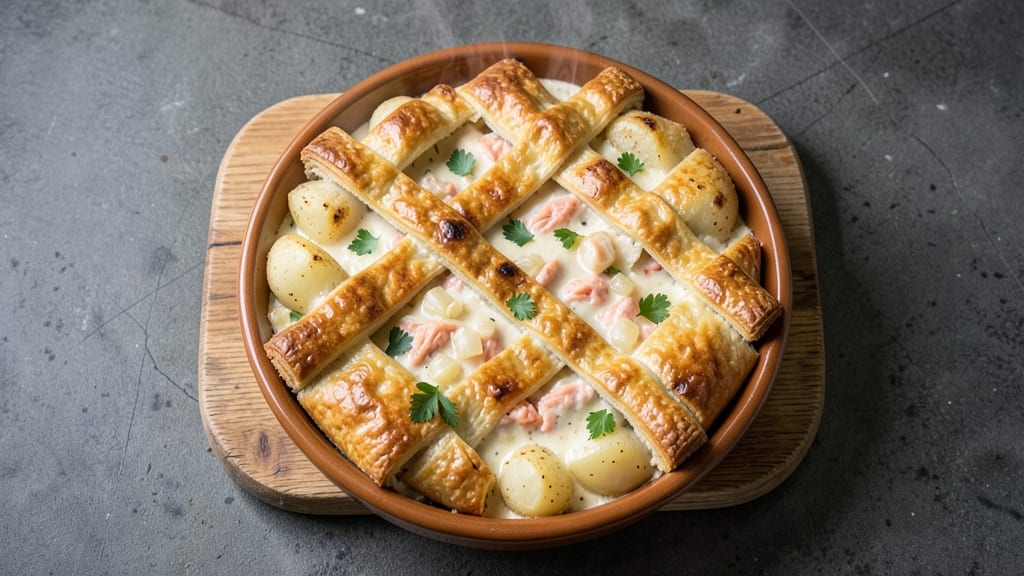
This canned salmon fish pie transforms simple pantry staples into a restaurant-quality comfort dish with layers of creamy mashed potatoes and delicate flaky crust.
The secret lies in balancing rich, savory salmon filling with velvety mash that bakes into a golden crown—exactly what makes this dish feel like a homey hug on a chilly evening.
I first perfected it during Portland winters when fresh salmon was scarce, and it became our family's go-to meal for feeding hungry kids and hungry adults alike.
The beauty of this recipe is its adaptability—whether you're following a pescatarian diet or simply looking for a budget-friendly weeknight dinner, the layers work together to create something truly special.
The salmon filling stays moist while the potato topping develops that perfect crispy edge, and the flaky crust adds an extra touch of elegance. With just 15 minutes of prep and 45 minutes in the oven, you'll have a dish that tastes like it simmered all day.
What makes this fish pie truly stand out is how the flavors meld together during baking—salmon's natural richness pairs perfectly with the buttery mash, while a sprinkle of cheese adds depth. The result is a dish that's hearty enough to satisfy a crowd but refined enough for a special occasion.
Each forkful delivers that perfect combination of textures and flavors that make it impossible to stop eating.
Serve it with a simple green salad or steamed vegetables to round out the meal, and you'll have dinner covered from start to finish. This recipe is the kind that gets better with each bite, and it's sure to become a staple in your rotation. Let's get baking!
Ingredients for canned salmon fish pie
Six simple ingredients transform canned salmon into restaurant-quality comfort food with golden crust magic.
| Ingredient | Amount | Notes |
|---|---|---|
| Canned Salmon 🐟 | 2 cans | Drained, high-quality brand preferred |
| Russet Potatoes 🥔 | 3 lbs | Waxy variety, peeled and cubed |
| Unsalted Butter 🧈 | ¾ cup | Cold, cut into small pieces |
| Heavy Cream 🥛 | 1 cup | Full-fat for creaminess |
| Milk 🥛 | ½ cup | Whole milk preferred |
| Shallots 🧅 | 2 whole | Minced, or sub 2 tbsp onion powder |
| Chicken Broth 💧 | 1 cup | Low-sodium preferred |
| Sharp Cheddar Cheese 🧀 | 1 cup | Shredded, aged variety |
| Puff Pastry 🍞 | 1 sheet | Thawed if frozen, store-bought |
| Egg 🥚 | 1 whole | Beaten, for egg wash |
| Fresh Dill 🌿 | ¼ cup | Chopped, or 1 tbsp dried |
| Salt 🧂 | 1 ½ tsp | Kosher or sea salt |
| Black Pepper 🌶️ | ½ tsp | Freshly ground preferred |
| Lemon Juice 🍋 | 1 tbsp | Freshly squeezed |
The salmon is the star, so pick high-quality brands like Wild Planet or Vital Choice—they have that rich, buttery texture that makes this dish shine. Store-bought is fine, but avoid the cheapest cans (they taste like fishy water). For the potatoes, Russets are non-negotiable—their waxy texture holds up better to baking. I always peel and cube them while they're still hot from boiling, which keeps them from turning mushy. The butter? Use cold, unsalted butter from Land O'Lakes or Plugrá—it creates the flakiest crust when mixed into the mash. If you're in a pinch, European-style butter like President works too, but it's pricier.
No dill? Fresh parsley or chives work in a pinch, but they won't have that same bright, tangy kick. Short on puff pastry? Homemade pie crust or even biscuit dough can stand in—just don't expect the same flaky layers. The cheddar adds depth, but Parmesan or Gruyère would work too if that's what you've got. For the shallots, onion powder at half the amount is a decent swap, but fresh is better. The lemon juice cuts through the richness—bottled works, but fresh is brighter. And if you're making this ahead, skip the lemon until right before serving so the potatoes stay bright.
This pie reheats beautifully—450°F for 15 minutes brings it back to life. Keeps in the fridge for 3-4 days covered tightly, or freeze portions for up to 3 months. I always make a double batch because it's that good. The crust gets crispy again when reheated, and the filling stays moist. Leftovers taste even better the next day—the flavors meld like a hug.
Why You'll Love This Recipe
- Pantry to Plate: The canned salmon and pre-boiled potatoes mean I’m not stuck chopping fresh fish or peeling spuds for hours. Just drain, mash, and layer—no fancy prep required.
- Creamy Crisp Magic: That buttery, golden crust meets the fluffy salmon-cream filling—it’s the kind of texture combo that makes you pause mid-bite. Honestly, the first time I tasted it, I texted my mom to brag.
- Lunchbox Hero: Pack the leftovers the next day, and suddenly you’ve got a meal that’s hearty enough for work lunches but still feels special. My kids actually ask for it in their school lunches—no complaints about soggy sandwiches.
- Budget-Friendly Luxury: A whole pie for under $10? With canned salmon and basic pantry staples, this feels like a restaurant dish without the price tag. Plus, the leftovers reheat like a dream—no drying out or weird textures.
Step-by-step instructions for canned salmon fish pie
Here's how to build a rich, flaky salmon pie that's easier than it looks.
Cook the Potatoes to Creamy Perfection
Place the 3 lbs russet potatoes in a large pot and cover with cold water by about 2 inches. Add 1.5 tsp salt and bring to a boil over medium-high heat. Once boiling, reduce to medium heat and cook for 15-20 minutes until the potatoes are fork-tender and a knife slides in easily.
Drain the potatoes thoroughly, then return them to the pot. Add the 0.75 cup unsalted butter, 1 cup heavy cream, 0.5 cup milk, and 0.25 cup fresh dill. Mash until completely smooth—no lumps should remain. This creamy base is the heart of your pie, so take your time here. The texture should be light and fluffy, like a perfect mashed potato foundation.
Build the Flavor-Packed Salmon Filling
In a separate bowl, gently fold the drained 2 cans canned salmon into the mashed potato mixture. Add the 1 cup sharp cheddar cheese, 1 cup chicken broth, 2 minced shallots, 0.5 tsp black pepper, and 1 tbsp lemon juice. Mix until everything is evenly distributed. The lemon juice brightens the salmon flavor while the shallots add subtle sweetness. Taste and adjust seasoning if needed—this is your chance to balance the flavors before baking.
Transfer the mixture to a greased 9x13-inch baking dish and spread it into an even layer. The filling should reach about ¾ of the way up the dish, leaving room for the pastry top. Smooth the surface with a spatula for an even bake.
Assemble with Flaky Puff Pastry
Unfold the 1 sheet puff pastry and place it gently over the salmon filling. Trim any excess pastry to fit the baking dish neatly. Use a fork to crimp the edges, creating a decorative border that seals in the juices. Brush the top of the pastry with the 1 beaten egg, making sure to cover every inch. This egg wash is what creates that golden, flaky crust we're after—don't skip it!
For extra flakiness, I like to cut a few decorative slits in the pastry top with a sharp knife before baking. This allows steam to escape while still keeping the pastry crisp. The key here is to work quickly—puff pastry can defrost as you handle it, so keep everything cold until it's in the oven.
Bake Until Golden and Bubbling
Preheat your oven to 375°F. Place the assembled pie on the middle rack and bake for 40-45 minutes until the pastry is deep golden brown and puffed in places. The filling should be bubbling gently at the edges, and the internal temperature should reach 165°F when checked with an instant-read thermometer.
If the pastry starts browning too quickly, tent it loosely with aluminum foil to prevent burning while still allowing it to cook through. The perfect pie will have a crisp, flaky crust that shatters slightly when cut, with a creamy, flavorful filling underneath. Let it rest for 10 minutes before serving—this gives the juices time to redistribute and makes for easier slicing.
Serve Warm with Fresh Herbs
Slice the pie into 6 equal portions and serve immediately while still warm. Garnish each serving with an extra sprinkle of fresh dill and a pinch of black pepper for freshness. The contrast between the flaky, buttery crust and the creamy salmon filling makes every bite satisfying. This pie tastes even better the next day, so consider making it ahead and reheating in the oven at 350°F for 15 minutes to restore that perfect texture.
Pro Tips For Making Canned Salmon Fish Pie
- Drain & Pat Salmon Dry: Canned salmon holds way more water than you think—skip draining it straight into the pie, or you’ll end up with a soggy filling. Drain it first, then press it between paper towels to squeeze out moisture. Trust me, the texture changes from mushy to flaky.
- Boil Potatoes Until Fork-Tender: I used to pull potatoes out at "soft enough" and regretted it every time. For this pie, boil them until a fork slides in like butter—no resistance. They’ll mash smoother and soak up the cream better, which means a creamier filling. (Yes, even if it means waiting an extra 5 minutes.)
- Prevent Overmixing the Mashed Potatoes: The second you start folding in the cream, stop stirring like you’re trying to win a race. Overworking the potatoes makes them gummy, and that’s a fast track to a gluey pie. Lightly fold—just until combined—and leave some lumps. They’ll disappear when baked.
- Use a Mix of Heavy Cream & Milk: Heavy cream alone makes the filling too rich, and milk alone makes it watery. Split the difference: use half heavy cream for richness and half milk for lightness. The pie will stay creamy without feeling greasy, and the texture stays silky. (I learned this after burning through two batches of sad, greasy pie.)
Common mistakes when making this recipe
Overmixing the Mash
I’ve seen this happen more times than I can count—overworking the mashed potatoes turns them gummy and gluey, ruining the pie’s texture. Once the potatoes are tender, mash them just until smooth, then stop. Resist the urge to press or stir aggressively.
The goal is a light, airy base, not a dense paste. If your mash looks too thick, add a splash of warm milk or cream to loosen it. 🥔
Skipping the Resting Time
This is a big one! Letting the pie rest for 10 minutes after baking might feel like a chore, but it’s essential. Cutting into it too soon causes the filling to ooze out and the crust to collapse.
The rest time lets the juices redistribute, keeping everything perfectly balanced. Trust me, your first slice will thank you.
Using Cold Pastry
Puff pastry needs to be at room temperature when you assemble the pie—cold pastry won’t rise properly and will bake unevenly. Take the pastry out of the fridge 15-20 minutes before assembling, or thaw it in the fridge overnight if it’s frozen.
If you’re in a hurry, place it on a wire rack for 10 minutes to speed up the process. Never use straight-from-the-fridge pastry! 🧈
Overfilling the Dish
The salmon filling should reach only ¾ of the way up the baking dish, leaving room for the pastry to puff up. If you overfill, the crust will collapse under the weight, and the pie will look sad.
Trust the measurements—this isn’t a time to eyeball it. A properly filled dish ensures a beautiful, golden crown.
Baking at the Wrong Temperature
Set your oven to 375°F—any lower, and the pastry won’t crisp up; any higher, and it’ll burn before the filling cooks through. Use an oven thermometer to double-check your oven’s accuracy (many ovens run hot or cold).
If your pie browns too quickly, tent it with foil to protect the crust while keeping the filling warm.
Ignoring the Egg Wash
The egg wash isn’t just for looks—it creates that golden, flaky crust we all love. Brush the pastry generously with the beaten egg, covering every inch. For extra shine, add a pinch of salt to the egg wash.
Pro tip: Use a pastry brush to avoid over-saturating the pastry, which can make it soggy. 🥚
Nutrition facts
Frequently asked questions
Can I substitute fresh salmon for canned in this recipe?
Fresh salmon works wonderfully—just poach or bake 1.5 lbs fresh salmon until fully cooked (145°F internal temp), then flake it into the mashed potato mixture. Fresh salmon has a firmer texture, so you may want to add an extra 1/4 cup broth to keep the filling moist during baking.
How do I make this recipe vegetarian?
Swap the canned salmon for 1.5 cups cooked lentils or chickpeas, plus 1 cup finely chopped mushrooms sautéed with shallots. Add 1 tbsp soy sauce or fish sauce substitute for umami depth. The texture will be heartier but just as satisfying—this version keeps all the creamy, comforting elements!
Why did my pie crust turn out soggy?
Soggy crust usually means one of two things: either the pastry wasn't fully thawed before baking (keep it at room temperature for 15-20 minutes), or the filling was too wet. If your mash seems too thick, add 1-2 tbsp milk to loosen it before assembling. Also, avoid pre-baking the crust—build the pie directly in the dish for best results.
Can I make this ahead of time?
This pie actually tastes better the next day! Assemble it completely (even the egg wash), then refrigerate uncovered for 1 hour to dry the pastry slightly. Bake as directed—just add 5-10 minutes to the baking time. For freezing, bake fully, cool completely, then wrap tightly in foil. Reheat at 350°F for 20-25 minutes until warmed through.
What's the best way to reheat leftovers?
For perfect texture, cover loosely with foil and reheat at 350°F for 15-20 minutes. The foil prevents the crust from drying out while the filling warms through. If using a microwave, cover with a damp paper towel and heat in 30-second intervals—just know the crust will be softer. The best method? A quick oven refresh always wins!