
Desserts
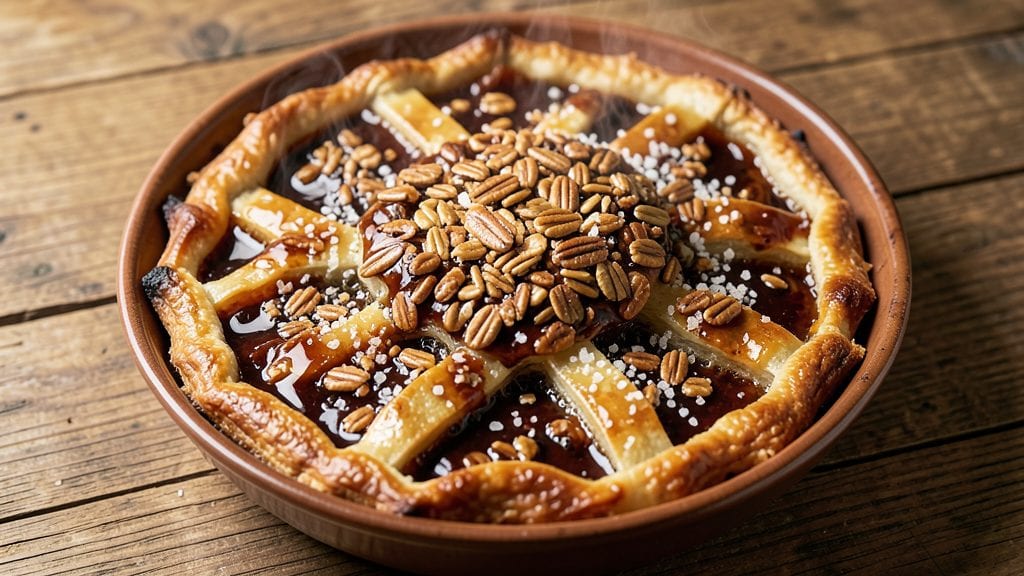
This Briermere pie recipe brings a taste of Canada’s classic dessert tradition to your kitchen, where a molasses-kissed oat crown meets tender vanilla swirls in perfect harmony. The rich, spiced filling and flaky crust create a dessert that feels both nostalgic and refined—ideal for family gatherings or special occasions.
I’ve perfected this recipe over years of baking, ensuring the oat topping stays crisp while the filling remains moist and flavorful.
The secret to this pie lies in the balance of textures: a golden oat crown that’s lightly caramelized, paired with a buttery crust and a filling infused with vanilla and just the right amount of sweetness.
Unlike traditional fruit pies, this version relies on a molasses-spiced base that adds depth without overpowering the delicate vanilla swirls. The result is a dessert that’s hearty yet elegant, with layers of flavor in every bite.
What makes this recipe stand out is its simplicity—no fancy techniques, just precise measurements and patience. The oat topping requires a light hand to avoid burning, while the filling needs time to set properly before baking.
With just one hour of active prep and 45 minutes in the oven, you’ll have a pie that looks and tastes like it came from a countryside bakery.
Serve warm with a scoop of vanilla ice cream or a dollop of whipped cream to enhance the molasses-kissed flavors. This pie is especially beloved in Canadian homes during holidays, but its rich, comforting taste makes it perfect year-round. Let’s get baking!
Ingredients for briermere pie
Classic Canadian flavors with a touch of nostalgia—just 15 ingredients for a pie that feels homemade yet refined.
| Ingredient | Amount | Notes |
|---|---|---|
| Unsalted Butter 🧈 | 1 cup | Cold, cubed for crust |
| All-Purpose Flour 🌾 | 2 ½ cups | Plus 2 tbsp for rolling |
| Granulated Sugar 🍚 | ¾ cup | For crust and filling |
| Light Brown Sugar 🍚 | ½ cup | Packed for oat crown |
| Molasses 🍯 | ½ cup | Unsulphured preferred |
| Large Eggs 🥚 | 2 whole | Room temperature |
| Vanilla Extract 🍯 | 2 tsp | Pure, high-quality |
| Ground Cinnamon 🌿 | 1 ½ tsp | Freshly ground preferred |
| Ground Nutmeg 🌿 | ½ tsp | Freshly grated nutmeg |
| Ground Ginger 🌿 | ½ tsp | Freshly grated preferred |
| Salt 🧂 | ½ tsp | Fine sea salt |
| Old-Fashioned Rolled Oats 🥣 | 2 cups | Not quick oats |
| Chopped Walnuts 🥜 | ½ cup | Toasted for flavor |
| Heavy Whipping Cream 🥛 | 1 ½ cups | Cold for swirls |
| Vanilla Ice Cream 🍦 | 2 cups | For serving suggestion |
The molasses is the heart of this pie, so look for unsulphured varieties—it has a cleaner, richer taste. Lyle's Golden Syrup works beautifully if you can find it, but any quality molasses will do. For the oats, Bob's Red Mill Old-Fashioned Rolled Oats are my go-to—they toast perfectly without burning. Walnuts should be toasted lightly in a dry pan until fragrant, then chopped. The butter for the crust needs to be cold; plunge the bowl in ice water if your kitchen runs warm. For the vanilla extract, Madagascar Bourbon adds depth, but pure vanilla will work fine.
No molasses? Dark corn syrup thinned with water mimics the stickiness, though it lacks depth. Substituting the oats? Puffed rice cereal creates a similar crunch, but texture will differ. Short on walnuts? Toasted pecans or hazelnuts work, though flavor shifts slightly. The heavy whipping cream can be swapped for half-and-half plus extra butter**, but the swirls won't hold as well. For the crust, if you're gluten-free, almond flour plus xanthan gum can replace the all-purpose flour, though texture will be different. Always chill the dough between rolling and baking—never skip this step.
The oat crown keeps best at room temperature for 2 days in an airtight container, though it’s best served fresh. The filling can be prepped 1 day ahead and stored in the fridge, covered tightly. For freezing, assemble the pie fully (without the ice cream) and freeze for up to 3 months**. Thaw overnight in the fridge before baking. The oat topping reheats beautifully—just 5 minutes at 350°F revives its crispness. Serve with vanilla ice cream to balance the molasses richness, or a dollop of whipped cream** for a lighter touch.
Why You'll Love This Recipe
- No-Fuss Crust: I swear by this pie’s flaky top—just butter and flour tossed together, then folded in like a lazy hug. No rolling pins, no stress, and it still holds its shape like a champ.
- Molasses Magic: That deep, caramelized molasses? It’s the star. The brown sugar and granulated sugar team up to balance its boldness, giving every bite a rich, almost spiced sweetness that lingers.
- Weeknight Hero: Between us, this pie is my go-to when I need dessert with zero fuss. Serve it warm with vanilla ice cream or let it cool for a snack later—it’s always a win.
- Budget-Friendly Luxury: Five ingredients, one showstopper. The butter makes it feel special, but the flour and sugars keep costs low. Plus, leftovers? They practically beg to be reheated or sliced into breakfast pastries.
Step-by-step instructions for Briermere pie
This molasses-kissed oat crown pie delivers rich depth and satisfying texture through precise technique.
Prepare the Molasses Filling
In a medium bowl, combine the 0.5 cup molasses, 0.75 cup granulated sugar, and 1.5 cups heavy whipping cream. Whisk vigorously until the sugar fully dissolves and the mixture becomes smooth. This creates the signature molasses base that will infuse the oat crown with its distinctive flavor.
Next, add the 2 whole large eggs and 2 teaspoons vanilla extract, whisking continuously for 2 minutes until the mixture thickens slightly. The eggs help bind the filling while adding richness. Set this mixture aside while you prepare the crust components - it will rest while you work.
Make the Crust Dough
In a large mixing bowl, combine the 1 cup cold cubed unsalted butter, 2.5 cups all-purpose flour, 0.5 teaspoon salt, 1.5 teaspoons ground cinnamon, 0.5 teaspoon ground nutmeg, and 0.5 teaspoon ground ginger. Using a pastry cutter or your fingers, work the butter into the flour until you achieve a coarse crumb texture with pea-sized butter pieces.
This texture is crucial - it creates the perfect balance between flaky layers and sturdy structure. Press the dough together briefly, then divide it into three equal portions. Flatten each portion into a disk, wrap in plastic wrap, and refrigerate for 30 minutes. The cold dough prevents spreading during baking and ensures crisp layers.
Assemble the Pie Structure
Preheat your oven to 350°F. Roll out one of the chilled dough portions on a lightly floured surface until it's large enough to fit your 9-inch pie dish. Transfer it to the dish and press gently to form the base. Roll out the second dough portion and place it on a separate baking sheet, then refrigerate while you prepare the filling.
For the oat crown topping, combine the 2 cups old-fashioned rolled oats, 0.5 cup light brown sugar, 0.5 cup chopped toasted walnuts, and the remaining 0.5 teaspoon salt in a bowl. This mixture will form the signature crunchy crown that contrasts beautifully with the creamy filling.
Layer and Bake the Pie
Pour the molasses filling into the prepared crust base, spreading it evenly. Roll out the third dough portion to create the top crust, then carefully place it over the filling. Seal the edges by pressing them together firmly. Cut several small slits in the top crust to allow steam to escape during baking.
Bake the pie for 45-50 minutes until the crust is golden brown and the filling is set. The edges should be bubbling slightly, indicating the filling has thickened properly. Remove from the oven and let it cool completely on a wire rack before serving.
Create the Oat Crown
While the pie cools, prepare the oat crown topping. In a small saucepan, combine the 0.5 cup molasses, 0.5 cup light brown sugar, and 2 tablespoons water. Bring to a boil over medium heat, then reduce to a simmer for 2 minutes until slightly thickened.
Remove from heat and stir in the oat mixture from Step 3. Spread this warm mixture evenly over the cooled pie, creating an attractive crown pattern. The contrast between the warm oat crown and cool pie filling creates the perfect textural experience.
Pro Tips For Making Briermere Pie
- Cream Butter First: Briermere pie’s texture hinges on cold butter cut into flour—don’t melt it. Use a fork to chop butter into pea-sized bits before mixing, or your crust will turn out greasy instead of flaky. (Yes, I’ve made that mistake. Trust me.)
- Whisk Molasses Well: Molasses clumps like a stubborn guest at a party. Whisk it vigorously with warm water (if the recipe calls for it) to dissolve it completely—no lumps, no bitter surprises. I learned this after tasting a weirdly grainy bite in my first attempt.
- Avoid Overmixing Filling: The filling for Briermere pie is delicate—mix it just until combined. Overworking it turns the molassy-sweet base into a dense paste. Stir until the sugars dissolve, then stop. Your future self will notice the difference.
- Bake Until Golden: Briermere pie’s crust needs time to deepen in color—don’t pull it out at the first sign of browning. Aim for 20-25 minutes past the recipe’s suggested time, checking every 5 minutes after the 45-minute mark. Patience here makes all the difference.
Flavor customization for this dish
Spiced Variations
Boost the molasses depth by adding ½ teaspoon ground cloves or ¼ teaspoon cinnamon stick to the filling—this creates a warm, aromatic profile reminiscent of Canadian winter spice blends.
For a citrus twist, zest 1 orange and fold it into the molasses mixture before baking. The bright acidity cuts through the richness beautifully. 🌶️
Nutty Alternatives
Swap the walnuts for pecans or hazelnuts in the oat crown—both add their own unique crunch and flavor. Toast the nuts in 1 tablespoon brown butter for extra depth before chopping. Pecans bring a buttery sweetness, while hazelnuts offer a more earthy, toasty note that pairs perfectly with molasses.
Fruit Infusions
Add ½ cup diced dried apricots or chopped dried figs to the filling for a chewy texture and natural sweetness. Soak them in warm water for 10 minutes first to rehydrate.
The fruit adds moisture and prevents the filling from drying out during baking. For a summer twist, use fresh peaches or plums instead of molasses in the filling.
Creamy Swirls
Replace the heavy cream with Greek yogurt for a tangier filling, or use mascarpone cheese for extra richness. For a lighter option, whip 1 cup whipped cream and fold it into the filling before baking.
This creates air pockets that make every bite feel lighter. A dollop of whipped cream on top after baking also adds a luxurious finish. ✨
Gluten-Free Adaptation
Replace the all-purpose flour in the crust with a 1:1 gluten-free flour blend (like Bob’s Red Mill) plus ½ teaspoon xanthan gum. For the oat crown, use certified gluten-free oats and ensure all spices are certified gluten-free.
The texture will be slightly denser, but the flavor remains rich and satisfying. Always chill the dough longer—45 minutes instead of 30—to prevent spreading.
Nutrition facts
Frequently asked questions
What makes Briermere pie different from other molasses pies?
This classic Canadian dessert features a molasses-kissed oat crown layered over a creamy vanilla filling, rather than just a fruit or spiced molasses base. The oat topping is lightly caramelized for extra crunch, while the filling uses heavy cream and eggs to create a rich, custard-like texture. This balance of textures and flavors sets it apart from traditional fruit pies or simple molasses pies.
Can I make the oat crown ahead of time?
Yes! The oat crown can be prepped 1 day ahead and stored in an airtight container at room temperature. For best results, reheat it in the oven at 350°F for 5 minutes before serving to restore its crispness. The filling, however, should be assembled fresh—it needs to set properly before baking to avoid a soggy crust.
Why does my crust turn out greasy?
A greasy crust usually means the butter wasn't cold enough when mixing. Always use cold, cubed butter and work quickly to avoid melting. If your kitchen is warm, chill the dough for an extra 10 minutes before rolling. Pressing the dough gently into the pie dish also helps create a sturdy, flaky base rather than a greasy one.
Can I substitute the molasses in this recipe?
While traditional, molasses can be swapped for dark corn syrup thinned with water (1:1 ratio) in a pinch. For depth, use Lyle's Golden Syrup—it has a cleaner taste. Avoid honey or maple syrup, as they alter the pie's signature caramelized flavor and texture. The molasses is key to the oat crown's signature richness!
How do I prevent the oat crown from burning?
Spread the warm oat mixture evenly and thinly over the pie—thick layers burn faster. Use a light hand when pressing it down, and avoid overlapping too much. If it starts browning too quickly, tent the pie with foil. The crown should be golden but not dark brown; it’ll crisp up further as it cools.