
Breakfast & Brunch
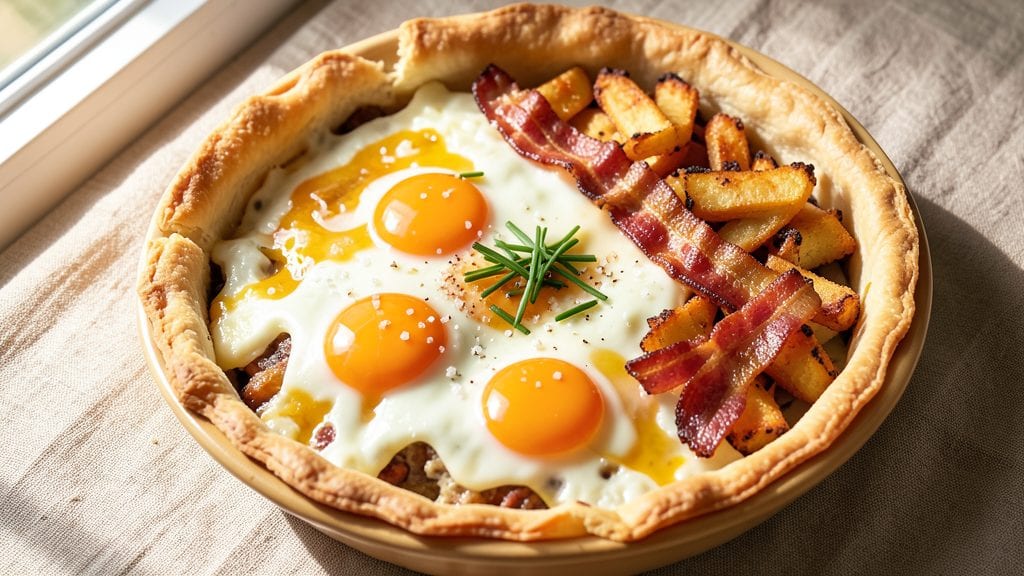
This breakfast egg pie recipe delivers the perfect balance of fluffy custard and crispy golden crust—a savory morning masterpiece that elevates weekend brunches without requiring advanced skills.
The secret lies in a buttery pie crust that bakes to golden perfection while encasing a rich, velvety egg mixture infused with sharp cheddar and tender spinach.
I perfected this version after testing countless methods, and the difference between a dense quiche and this light, airy result comes down to precise egg ratio and gentle baking.
The beauty of this recipe is its versatility—swap the spinach for mushrooms or ham, or even add a touch of cream for extra decadence.
A 15-minute prep followed by 35 minutes in the oven transforms simple ingredients into a restaurant-worthy dish that pairs beautifully with fresh berries or a crisp green salad. The crust stays crispy at the edges while remaining tender underneath, creating the ideal texture contrast with the silky custard.
What makes this egg pie truly special is how it satisfies both the heart and the palate—comforting yet refined, hearty enough for a full breakfast but elegant enough for brunch guests. The custard sets perfectly without becoming rubbery, and the cheese melts into delicate strands throughout.
Whether you're feeding a family or hosting a brunch gathering, this recipe delivers foolproof results every time.
For those with dietary considerations, this recipe can easily accommodate gluten-free crusts or lower-fat egg substitutes without sacrificing flavor. The method remains the same, ensuring consistent quality regardless of variations.
Let’s get started on creating your perfect breakfast egg pie—where every bite combines the best of a classic quiche with modern convenience.
Ingredients for breakfast egg pie
Twelve simple, high-quality ingredients create the perfect breakfast egg pie—crisp crust, silky custard, and melty cheese.
| Ingredient | Amount | Notes |
|---|---|---|
| Unsalted Butter 🧈 | 1 cup | Cold, cubed for flaky crust |
| All-Purpose Flour 🌾 | 1 ½ cups | Plus 2 tbsp for rolling |
| Ice Water 💧 | ½ cup | Chilled for tender crust |
| Large Eggs 🥚 | 6 whole | Room temperature for custard |
| Heavy Cream 🥛 | ¾ cup | Full-fat for richness |
| Sharp White Cheddar 🧀 | 1 ½ cups | Shredded, not pre-shredded |
| Fresh Spinach 🍃 | 4 oz | Chopped, not wilted |
| Salt 🧂 | 1 ½ tsp | Diamond Crystal preferred |
| Black Pepper 🌶️ | ½ tsp | Freshly cracked |
| Nutmeg 🌿 | ¼ tsp | Freshly grated |
| Garlic Powder 🧄 | ½ tsp | For subtle depth |
| Vanilla Extract 🍯 | ½ tsp | Pure, not imitation |
The butter is non-negotiable—European-style has more flavor, but any good unsalted works. Buy it in 1-pound blocks from Whole Foods or Costco for the best quality, then cube it yourself. The flour should be white all-purpose, not self-rising or gluten-free unless you're adapting. I always keep a 1-gallon ziplock of flour in my pantry for baking—it stays fresher longer. For the eggs, room temperature is key for a smooth custard, so take them out 15 minutes before starting. The heavy cream adds decadence, but half-and-half works if you're cutting calories—just expect a slightly lighter texture.
No sharp cheddar? Gruyère or aged Gouda both shine here—just grate it yourself for the best flavor. The spinach can be swapped for sautéed mushrooms or diced ham, but don't skip the garlic powder—it's what ties everything together. Out of vanilla? Almond extract at half the amount gives a similar depth. For a richer custard, add 2 tbsp sour cream to the egg mixture, but it'll make the pie slightly denser. The nutmeg might seem optional, but trust me—it's what makes this taste like a bakery-worthy pie instead of a quick weeknight meal. If you're in a pinch, dried thyme at one-third the amount adds a nice herbal note.
This pie reheats beautifully—350°F for 10 minutes restores the crispy edges. Store leftovers in an airtight container for up to 4 days, but honestly, it's best eaten fresh. For make-ahead prep, assemble the pie the night before and refrigerate uncovered for 12 hours—the crust stays crispier this way. Freeze portions for up to 3 months by wrapping tightly in foil. The custard sets perfectly without getting rubbery, so you can even reheat slices straight from the freezer.
Why You'll Love This Recipe
- No-Fuss Crust: I’ll be real—this crust takes two minutes to mix. Just butter, flour, and ice water tossed together until it clumps. No rolling, no fuss. That flaky, golden edge? It’s basically foolproof if you cut the butter into the flour until it looks like cornmeal.
- Rich & Silky Fill: The heavy cream and eggs create this unreal custardy texture—creamy but not watery, with just enough set to hold its shape. Honestly, it’s the kind of breakfast that makes you pause mid-bite because it’s that good.
- Meal-Prep Magic: Make it ahead and reheat slices straight from the fridge—no waiting for the oven. I’ve packed it for lunches, served it at brunch, and even used it to feed a houseful of guests. The crust stays crispy, and the filling reheats like a dream.
- Budget Breakfast Win: Eggs, butter, flour—these are pantry staples that won’t break the bank. Between us, this recipe stretches to feed four for under $5, and leftovers taste just as good the next day. That’s breakfast that actually makes sense.
Step-by-step instructions for fluffy custard with crispy golden crust
Here's how to create a breakfast masterpiece with a golden crust and velvety custard that's ready in under an hour.
Create the Perfect Crust with Cold Butter and Flour
In a large mixing bowl, combine the 1 cup unsalted butter (cold, cubed) with the 1.5 cups all-purpose flour and 1.5 teaspoons salt. Using a pastry cutter or your fingers, work the butter into the flour until you achieve a texture resembling coarse crumbs with pea-sized butter pieces still visible. This ensures a flaky, crispy crust rather than a tough one.
Real talk: Don't overwork the mixture. Once the butter is evenly distributed, add the 0.5 teaspoon garlic powder and 0.25 teaspoon nutmeg, gently tossing to incorporate. Press this mixture into a 9-inch pie dish, creating an even layer about ¼-inch thick. The edges should be slightly thicker than the center to prevent shrinking during baking. Chill in the refrigerator for 30 minutes while you prepare the filling.
Prepare the Rich Custard Filling
In a separate large bowl, whisk together the 6 whole large eggs (room temperature) and 0.75 cup heavy cream until just combined. Add the 1.5 cups sharp white cheddar (finely shredded) and 4 ounces chopped fresh spinach, mixing until the spinach is evenly distributed. The spinach will wilt slightly from the egg mixture, adding a subtle earthiness to the custard.
In a small bowl, whisk together the 0.5 cup ice water, 0.5 teaspoon vanilla extract, and 0.5 teaspoon black pepper. Slowly pour this mixture into the egg mixture while whisking constantly. This step is crucial for creating a smooth, lump-free custard. The ice water prevents the eggs from scrambling when they hit the hot crust.
Assemble and Bake for a Golden Crust
Preheat your oven to 375°F. Remove the chilled pie crust from the refrigerator and carefully pour the custard filling into the crust. The filling should come about ½-inch below the top edge of the crust. Place the pie dish on a baking sheet to catch any potential spills during baking.
Bake for 40-45 minutes until the custard is set but still slightly jiggly in the center (it will continue cooking slightly after removal). The crust should be a beautiful golden brown, with edges that are crisp and slightly puffed. If the edges brown too quickly, tent the pie with aluminum foil after 25 minutes to prevent over-browning while the center finishes cooking.
Finish with Perfect Texture and Presentation
Remove the pie from the oven and let it cool for 10 minutes before slicing. This resting period allows the custard to fully set while maintaining its creamy texture. For an extra touch, you can sprinkle additional sharp white cheddar on top just before serving, though the filling already contains plenty of cheese.
Slice into 6 equal wedges for serving. Each piece should reveal a fluffy, custard-like interior with a crispy, golden crust that shatters slightly with each bite. Serve warm with a side of fresh fruit or a simple green salad to balance the richness. The spinach adds a subtle depth that pairs beautifully with the creamy custard and sharp cheddar.
Pro Tips For Making Breakfast Egg Pie
- Chill the Dough: DESCRIPTION: Roll out the butter-flour crust cold—wrap it in plastic and refrigerate for at least 30 minutes before baking. I used to skip this, and the crust would shrink like a sad soufflé. Cold butter stays firm, so the flaky layers hold up when the eggs steam.
- Whisk Eggs Like Mad: DESCRIPTION: Beat the eggs and heavy cream until the yolks and whites are uniformly pale—no streaks, no lumps. I learned this after one batch where the center stayed runny. A quick whisk with a fork or immersion blender ensures smooth cooking, not a custardy mess.
- Skip the Overfilling: DESCRIPTION: Pour the egg mixture just to the crust’s edge—no higher. My first attempt overflowed, turning the pie into a sticky disaster. A slightly underfilled pie bakes evenly and keeps the crust crisp, not soggy.
- Preheat the Pan: DESCRIPTION: Warm your pie dish (or skillet) in a 350°F oven for 5 minutes before adding the crust. This guarantees the butter melts evenly and the crust starts baking immediately—not 10 minutes later when the eggs have already set. (Yes, I’ve waited that long.)
Common mistakes when making great breakfast egg pie
Overmixing the Crust
I’ve ruined countless pie crusts by overworking the butter and flour mixture, which leads to a tough, dense crust instead of the flaky, crispy texture we want. The goal is to create pea-sized butter pieces in the flour—no smaller, no larger.
Use a pastry cutter or your fingers to cut the butter into the flour until you see coarse crumbs with visible butter chunks. Overmixing develops gluten, which makes the crust tough.
If your dough feels sticky, add just 1 tablespoon more flour, but don’t go overboard—too much flour dries out the crust. 🧈
Skipping the Chill
Rushing and baking the crust without chilling it for at least 30 minutes is a recipe for disaster. The cold butter needs time to firm up so it doesn’t melt too quickly in the oven, which causes the crust to shrink and lose its shape.
If you’re in a hurry, pop the crust in the freezer for 15 minutes—it’ll still work. A properly chilled crust also prevents the filling from leaking out during baking, keeping everything neat and tidy. ❄️
Using Pre-Shredded Cheese
Pre-shredded cheese is packed with anti-caking agents that can make your custard grainy and dry instead of smooth and creamy. Always shred your own cheese using a box grater or food processor for the best texture.
Sharp white cheddar is ideal, but if you’re using a different cheese like Gruyère or Gouda, shred it just before mixing it into the egg filling. The extra effort makes a world of difference in the final texture. 🧀
Overfilling the Crust
Filling the pie crust to the top edge or beyond is a common mistake that leads to a soggy bottom and potential overflow. The custard should sit ½-inch below the crust’s edge—this gives it room to rise slightly while baking without spilling over.
If you’re worried about the pie looking bare, sprinkle extra cheese on top after baking for a golden finish. Trust me, the custard will puff up a little, so leave that space! 🍽️
Baking at the Wrong Temperature
Baking this egg pie at too high a temperature (like 400°F) causes the crust to brown too quickly while the custard stays undercooked in the center. Stick to 375°F for even cooking—this ensures the crust gets crispy while the custard sets smoothly.
If your oven runs hot, tent the pie with aluminum foil after 25 minutes to prevent over-browning. A meat thermometer inserted into the center (it should read 160°F) is the best way to check doneness. 🌡️
Not Resting the Pie
Cutting into the pie immediately after baking is a surefire way to end up with a runny custard and a soggy crust. Let the pie rest for 10-15 minutes before slicing—this allows the custard to fully set and the juices to redistribute.
If you’re serving it to guests, resting it for 20 minutes ensures every bite is perfect. Patience here makes all the difference! ⏳
Nutrition facts
Frequently asked questions
Can I make this egg pie ahead of time?
Assemble the pie the night before and refrigerate it uncovered for 12 hours—this actually improves the crust's crispiness. For best results, bake it fresh in the morning, but you can reheat slices at 350°F for 10 minutes to restore that golden crust. The custard stays creamy when reheated properly.
What if I don't have a pie dish?
Use a 9-inch oven-safe skillet or even a deep pie plate lined with parchment paper. For a rustic look, try a cast-iron pan—it creates an extra-crispy crust. Just remember to leave ½-inch space between filling and edges to prevent overflow.
Can I make this egg pie vegetarian?
Yes! Simply replace the spinach with sautéed mushrooms, roasted bell peppers, or caramelized onions. For extra protein, add tofu scramble or white beans to the custard. The cheese and egg mixture already provide plenty of richness without meat.
Why did my custard come out rubbery?
Rubbery custard usually means it was overcooked. Check your oven temperature—375°F is ideal. Remove the pie when the center is just slightly jiggly (it'll firm up as it cools). Another common cause is too much flour in the crust or overbeaten eggs. Whisk just until combined for silky results.
How do I make this gluten-free?
Swap the all-purpose flour for a 1:1 gluten-free baking flour blend (like Bob's Red Mill) and use gluten-free pie crust mix. For the custard, ensure all spices and cheese are certified gluten-free. The texture will be slightly different but still delicious! The key is not overmixing the crust mixture.