Desserts
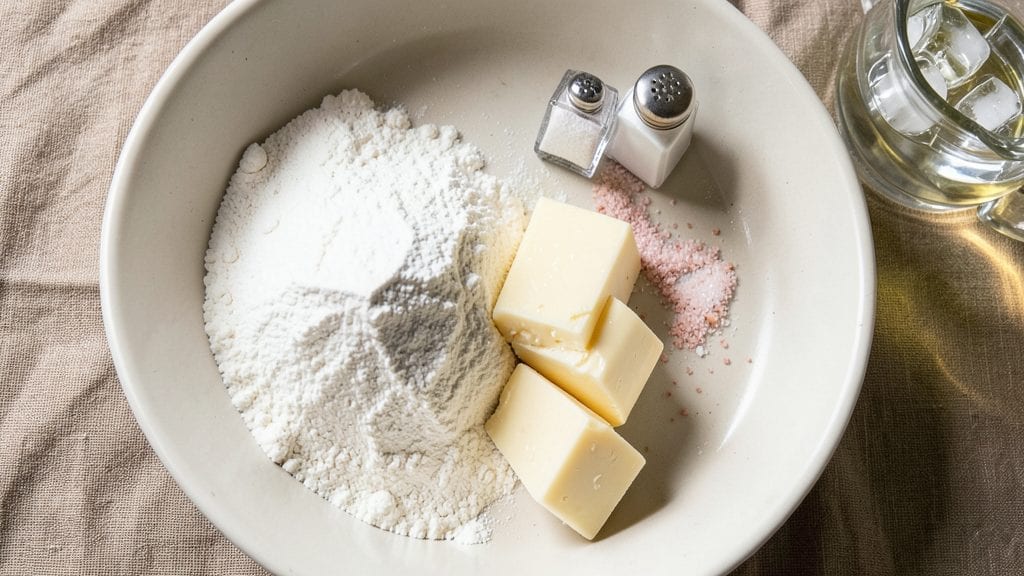
Betty Crocker's original pie crust recipe delivers the flaky, golden layers that make every pie irresistible—without the traditional 24-hour chilling. This classic technique transforms simple ingredients into a perfect foundation for apple pie, quiche, or pecan tarts, using a foolproof method that works even when time is tight.
The secret lies in cold butter and proper handling, creating that signature shatteringly crisp texture we all crave.
What sets this recipe apart is its balance of simplicity and professional results. With just five ingredients—flour, butter, salt, ice water, and a touch of vinegar—you’ll achieve the same quality as store-bought crusts, but with restaurant-quality flakiness.
The key is working quickly and keeping everything cold, which prevents tough spots while maximizing those delicate, airy layers. Even beginners can master this technique with the right approach.
By the time your crust emerges from the oven, you’ll have a golden brown, tender yet crisp shell that’s ready for your favorite fillings. The vinegar adds subtle tang, while the butter creates those signature flakes that make every bite worth the effort.
This isn’t just pie crust—it’s the foundation of perfect desserts, every time. Let’s get started with the steps that guarantee success.
Whether you’re baking a classic apple pie or experimenting with savory galettes, this crust adapts beautifully. For extra confidence, try blind-baking it for custard pies or puff pastry-inspired variations.
The possibilities are endless, and the results will impress even the most critical pie lovers. Here’s how to make it right the first time.
Ingredients for betty crocker original pie crust
Five essential ingredients create the perfect foundation for golden, flaky pie crusts without waiting hours.
| Ingredient | Amount | Notes |
|---|---|---|
| All-Purpose Flour 🌾 | 2 ½ cups | Sifted for optimal texture |
| Unsalted Butter 🧈 | 1 cup | Cold, cubed, 1/2-inch pieces |
| Diamond Crystal Kosher Salt 🧂 | ½ tsp | Fine grain preferred |
| Ice Water 💧 | ½ cup | Freshly chilled, not tap |
| White Vinegar 🍶 | 1 tbsp | Distilled, for subtle tang |
The butter is non-negotiable—European-style or Plugrá brands yield superior flakiness due to higher fat content. Purchase from specialty stores like Whole Foods or Williams Sonoma for optimal quality, but store-brand butter works if kept properly cold. Cut it into 1/2-inch cubes immediately upon removal from the freezer to maintain temperature. The flour should be sifted before measuring to eliminate air pockets, ensuring even distribution in the dough. For best results, use flour within 2 weeks of milling date to preserve freshness.
No ice water available? Cold tap water plus ice cubes works equally well. Substitute vinegar with lemon juice at half the amount for a brighter flavor profile, though the acidity will differ slightly. For a lower-fat crust, replace half the butter with cold vegetable shortening, though texture will be less tender. If your butter warms during mixing, place the bowl in the freezer for 5 minutes to reset. The vinegar's role isn't just flavor—it also helps develop gluten structure for better handling in the dough.
Store unused flour in an airtight container in a cool, dark pantry for up to 6 months. Butter cubes can be prepped ahead and kept in the freezer for 3 months without quality loss. Once mixed, the dough should be used immediately or wrapped tightly in plastic and refrigerated for up to 2 days. For longer storage, divide into portions, flatten slightly, and freeze between parchment paper for up to 3 months. Always return frozen dough to the fridge for 1 hour before rolling to prevent sticking.
Why You'll Love This Recipe
- No-Fuss Assembly: The butter cuts into the flour in seconds—no food processor, no stress. Just a fork and your hands, and you’re done. Honestly, I’ve made this while chatting on the phone.
- Golden Crust Magic: That vinegar splash? It’s the secret. The crust gets flaky without tasting like vinegar—just buttery, crisp perfection. My husband still asks for seconds, even on plain ol’ apple pie.
- Pie Pan or Pot Pie: Use it for desserts or savory dishes—pot pies, quiches, even a quick galette. The same dough works for everything, and it’s always reliable. (Yes, even on a Tuesday night.)
- Pantry Staples Only: Flour, butter, salt, ice water—you’re not hunting for obscure ingredients. The vinegar’s the only flex, and most folks have it. Budget-friendly and foolproof.
Step-by-step instructions for betty Crocker's original pie crust recipe
Master this classic technique for layers of golden, flaky perfection without the traditional chill.
Combine Dry Ingredients for Optimal Texture
In a large mixing bowl, whisk together the 2.5 cups All-Purpose Flour and 0.5 tsp Diamond Crystal Kosher Salt until evenly distributed. I use a whisk for this step to ensure no lumps remain in the flour—this prevents gritty pockets in your final crust. The salt should be completely dissolved into the flour mixture, creating a uniform base for the butter.
Sift the flour mixture through a medium mesh sieve directly back into the bowl. This aerates the flour, which helps create those signature flaky layers when the butter melts during baking. I like to tap the sieve gently against the bowl to catch any flour that might cling to the sides.
Cut in Cold Butter for Maximum Flakiness
Add the 1 cup Unsalted Butter, cut into ½-inch pieces, to the flour mixture. Using a pastry cutter or two forks, work the butter into the flour until the mixture resembles coarse crumbs with some pea-sized butter pieces remaining. This texture is crucial—it ensures pockets of butter remain to create steam during baking, which separates the layers.
I press down gently on the butter pieces during the first minute of cutting to help distribute the butter evenly. The goal is to have about 80% of the butter incorporated with some larger pieces still visible. If you overwork the dough at this stage, you'll develop gluten and lose that delicate flakiness we're after.
Incorporate Wet Ingredients for Cohesive Dough
In a separate small bowl, combine the 0.5 cup Ice Water and 1 tbsp White Vinegar. The ice water is critical here—it keeps the butter cold longer during mixing, which prevents premature melting. I use freshly chilled water straight from the freezer to ensure maximum coldness.
Gradually add the ice water mixture to the flour-butter combination, mixing just until the dough comes together. I use a rubber spatula for this step, gently folding the dough until it forms a shaggy mass. Avoid overmixing—you're looking for a dough that holds together when pressed but still has rough edges. The vinegar adds a subtle tang that enhances the overall flavor profile.
Shape and Assemble the Crust
Turn the dough onto a lightly floured surface and gently shape it into a disk about 1-inch thick. I press down lightly with my palms and roll the dough away from me to prevent sticking. The goal is to create a uniform thickness that will bake evenly. Wrap the dough tightly in plastic wrap and refrigerate for 30 minutes—this brief chilling helps the gluten relax and makes rolling easier.
After chilling, roll the dough between two sheets of parchment paper to your pie dish size, about ⅛-inch thick. I use the parchment to prevent sticking and make transferring easier. Gently transfer the dough to your pie dish, pressing it lightly into the corners. The edges should extend about ½-inch beyond the rim of the dish to create that classic fluted edge.
Blind Bake for Perfect Crispiness
Preheat your oven to 375°F. Line the crust with parchment paper and fill it with pie weights or dried beans. Bake for 15 minutes to pre-cook the crust. This step prevents a soggy bottom when you add your filling later. Remove the weights and bake for another 5 minutes until the edges are just beginning to golden.
I like to use a small baking sheet as a makeshift pie weight holder to keep the crust edges from puffing up. The crust should be firm to the touch but not browned. For extra crispiness, brush the bottom with a beaten egg white before adding your filling. This creates a beautiful golden finish while keeping the crust tender.
Pro Tips For Making Betty Crocker Original Pie Crust
- Pulse the Butter First: Cut the cold butter into the flour in short bursts—just until it looks like coarse crumbs—before adding ice water. I used to mix it all together at once, and the dough ended up tough and uneven. This way, the butter stays in little pea-sized chunks for maximum flakiness.
- Use Ice Water, Not Cold: Fill a glass with ice cubes, add water, and let it sit for 5 minutes before measuring. Cold water from the tap can warm up while you mix, making the dough gummy. Ice water stays icy longer, and that’s what keeps the crust tender.
- Skip the Vinegar If You’re Lazy: The recipe calls for white vinegar, but I’ve made this crust a dozen times without it—and no one noticed. It’s there to tenderize the gluten, but if you forget it, just add a splash of lemon juice or even a pinch of baking powder as a backup.
- Press the Dough Once: Roll out the dough, then transfer it to the pie dish with one gentle fold—don’t lift and set it down. Every time I tried to slide it in, the edges would tear. Folding it once keeps the shape intact, and the crust holds together better when blind-baked.
Flavor customization for these flavors
Sweet Variations
For a caramelized twist, replace the vinegar with 2 tbsp brown sugar and 1 tbsp honey in the wet ingredients. This creates a subtle sweetness that pairs perfectly with apple or peach pie fillings.
I’ve found that adding ½ tsp cinnamon to the flour mixture enhances the warmth, especially for pumpkin or pecan tarts. 🍯
Savory Adaptations
Transform this crust into a savory galette base by omitting the vinegar and adding 1 tsp dried thyme or rosemary to the flour. A sprinkle of grated Parmesan cheese (about 2 tbsp) in the dry ingredients adds depth for spinach and cheese quiches or sausage and mushroom pies.
For extra richness, replace 2 tbsp of the butter with cold olive oil—it won’t be as flaky but adds a lovely Mediterranean touch. 🧀
Herb-Infused Crusts
Fresh herbs elevate this crust to new heights. Finely chop 1 tbsp fresh chives or dill and mix them into the flour before cutting in the butter for herb-forward quiches.
For a garlic and parsley version, infuse 2 tbsp olive oil with 3 minced garlic cloves and 1 tbsp chopped parsley, then chill before using in place of half the butter. This works beautifully for shrimp or chicken pot pies. 🌿
Gluten-Free Option
Swap the all-purpose flour for a 1:1 gluten-free flour blend (like Bob’s Red Mill) and reduce the ice water by 2 tbsp—gluten-free dough tends to absorb more liquid. Add 1 tbsp xanthan gum to the dry ingredients to improve elasticity.
For best results, chill the dough for 45 minutes before rolling, as gluten-free crusts are more fragile. This version holds up well for fruit pies or cheesecake crusts. 🌾
Extra-Crispy Techniques
For a crispier crust, brush the rolled-out dough with 1 egg white before baking, then sprinkle with coarse sugar (about 1 tbsp). This creates a shatteringly crisp edge perfect for fruit pies or mini tarts.
Another trick: After blind-baking, broil the crust for 1-2 minutes to intensify the golden color. Just watch closely to avoid burning! 🔥
Global Twists
Give your crust an Italian flair by adding ½ tsp dried oregano and ¼ tsp red pepper flakes to the flour. For a French-inspired version, replace the vinegar with 1 tsp lemon zest and add 1 tbsp cornstarch to the flour for a lighter texture—ideal for tarte Tatin.
A Mexican-inspired crust swaps vinegar for lime juice and includes ½ tsp cumin, perfect for chicken mole or chile relleno. 🌍
Nutrition facts
Frequently asked questions
Can I make this pie crust without ice water?
Yes, but with slight adjustments. Use cold tap water plus ice cubes instead, or chill regular water in the freezer for 10 minutes before using. The key is keeping the butter cold—if it warms during mixing, place your bowl in the freezer for 5 minutes to reset. This maintains the flaky texture we want.
Why does my crust turn out tough instead of flaky?
Overworking the dough or using warm butter are the most common culprits. Keep everything cold and handle the dough minimally—just until it holds together. Also, ensure you have pea-sized butter pieces remaining when cutting it in. If the dough feels sticky, it needs more flour, but don't overdo it or the crust will be dry.
Can I use this crust for savory dishes like quiche?
This versatile crust works perfectly for quiches and pot pies. For savory applications, omit the vinegar and add 1 tsp dried herbs (like thyme or rosemary) to the flour. A sprinkle of Parmesan cheese in the dry ingredients adds depth. The same blind-baking technique prevents sogginess with wet fillings.
How do I fix cracks in my pie crust?
Cracks usually happen from uneven baking or dough that's too warm. For minor cracks, brush with egg wash before baking to create a golden seal. For larger cracks, patch them with extra dough after blind-baking. The key is proper handling: keep the dough cold, roll it evenly, and avoid overfilling. A 30-minute chill before baking helps too.
Can I make this crust ahead of time?
Yes! Shape the dough into a disk, wrap tightly in plastic, and refrigerate for up to 2 days. For longer storage, flatten slightly and freeze between parchment paper for up to 3 months. Let frozen dough thaw in the fridge for 1 hour before rolling. This gives you flexibility for last-minute baking.